From Novice to Avid Opera Aficionado
Introduction to Opera
The All-In Art Form
Opera is storytelling supercharged. It takes a dramatic story and sets the entire thing to music, performed by singers and accompanied by an orchestra. But it's more than just a concert. It combines singing, acting, elaborate sets, costumes, and sometimes dance to create a complete theatrical experience.
I like to think of opera as being the ultimate, all-encompassing art form, combining elements of music, theater, literature, drama, and even visual art.
Think of it like a movie where the screenplay is sung instead of spoken. The music isn't just background noise; it's the main vehicle for emotion and action. Every note is crafted to enhance the drama unfolding on stage.
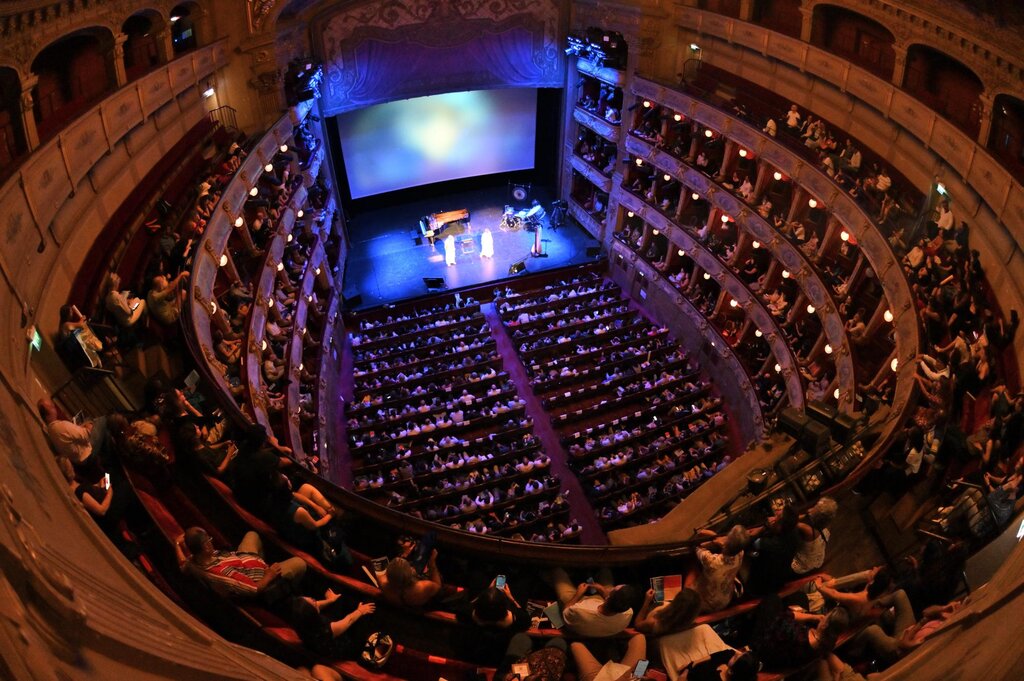
A Quick Trip Through Time
Opera began in Florence, Italy, around the year 1600. A group of artists and nobles known as the Florentine Camerata wanted to revive ancient Greek drama. They believed these ancient plays were originally sung, not spoken, and they sought to create a new art form that would bring that dramatic power back to the stage.
The first operas drew from Greek myths. Over the next few centuries, the art form evolved and spread across Europe.
-
Baroque Era (1600–1750): Composers like Claudio Monteverdi and George Frideric Handel created grand, complex works often based on mythology or history. The music was highly ornate.
-
Classical Era (c. 1750–1820): Wolfgang Amadeus Mozart brought a new level of psychological depth to his characters. The music became more balanced and elegant, with stories that felt more human and relatable.
-
Romantic Era (c. 1800–1910): This was the golden age of opera. Composers like Giuseppe Verdi, Richard Wagner, and Giacomo Puccini wrote passionate, sweeping stories with powerful melodies that are still famous today.
-
20th Century and Beyond: Opera continued to evolve, with composers experimenting with new musical languages and stories that reflected the modern world.
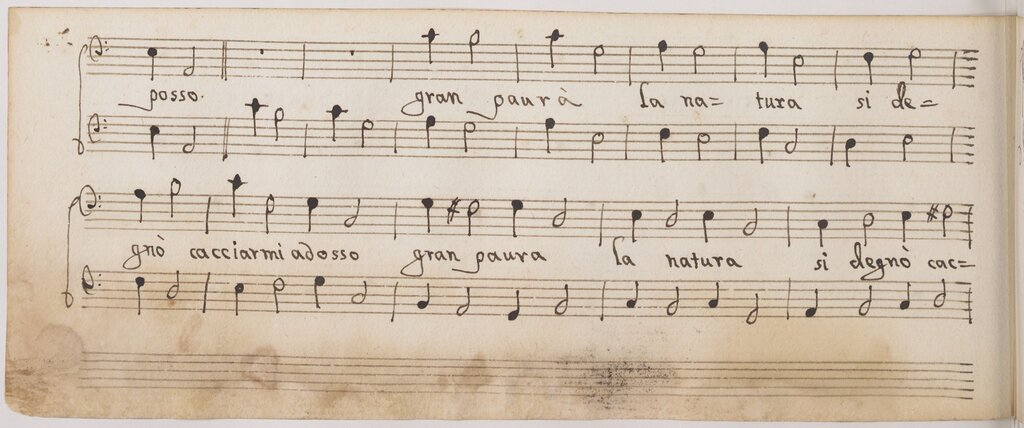
The Building Blocks
Every opera is built from a few key components working together.
libretto
noun
The text of an opera, essentially its script or screenplay. The word means "little book" in Italian.
The music is the opera's emotional engine. It's composed for both the singers and the orchestra. The staging includes everything you see: the sets that create the world, the costumes that define the characters, and the lighting that sets the mood. Together, these elements bring the libretto to life.
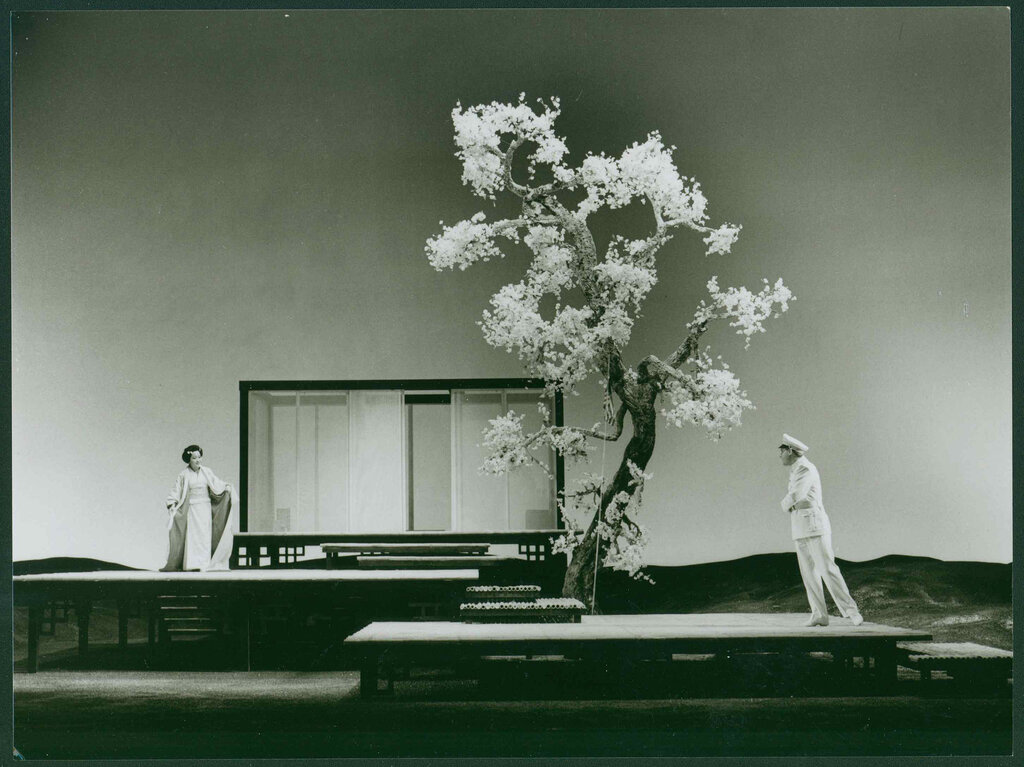
The orchestra is far more than just backup for the singers. It acts as another character, hinting at a character's inner thoughts, creating suspense, or swelling with triumphant emotion. The conductor leads the entire performance, unifying the singers on stage and the musicians in the orchestra pit into a single, cohesive force.
The orchestra in an opera does more than accompany the singers; it enhances the drama, underscores the emotional content, and often has a narrative voice of its own.
Opera is a powerful blend of art forms, designed to create an experience that is emotionally resonant and visually spectacular.