From Lobbyist to Senator: Heirs to FDR and LBJ's Legislative Legacies
Introduction to Lobbying
Shaping the Rules
In the hallways of power, decisions are made every day that affect our lives. Lawmakers, however, can't be experts on every single issue, from farming technology to data privacy. This is where lobbying comes in. It's the process of trying to influence government decisions, usually legislation. At its core, lobbying is about communication. It’s a way for individuals and groups to make their voices heard and provide lawmakers with information on specific topics.
Lobbying
noun
The act of attempting to influence the actions, policies, or decisions of government officials, most often legislators or members of regulatory agencies.
This practice is protected by the First Amendment of the U.S. Constitution, which guarantees the right "to petition the Government for a redress of grievances." It's a fundamental part of the democratic process, allowing citizens and organizations to express their views directly to those who create the laws.
The Players
The term "lobbyist" might bring a specific image to mind, but in reality, lobbyists come from a wide range of backgrounds and represent a diverse set of interests. They can be full-time professionals hired by a firm, employees of a specific company, or even passionate volunteers for a cause they believe in. Their goal is the same: to advocate for their group's perspective.
| Type of Lobbyist | Who They Represent | Example Goal |
|---|---|---|
| Corporate Lobbyists | Individual companies | Shape regulations on a specific product. |
| Trade Associations | An entire industry | Advocate for policies that benefit all members, like tax breaks. |
| Non-Profits & Causes | Issue-based organizations | Promote legislation on issues like human rights or conservation. |
| Labor Unions | Workers in a specific field | Argue for better wages, safety standards, and benefits. |
Lobbyists are, in essence, information providers. They supply lawmakers and their staff with data, research, and real-world stories to help them understand the potential impact of a piece of legislation. For example, a lobbyist for a tech company might explain the technical complexities of a new data privacy bill, while a representative for a nurses' union could provide testimony on how a healthcare law would affect patient care.
Rules of the Game
The power to influence legislation naturally raises ethical questions. Where is the line between providing helpful information and applying improper pressure? The exchange of money in politics, primarily through campaign contributions, complicates this relationship further. While lobbying is legal, bribery is not. To maintain transparency and prevent corruption, lobbying is a highly regulated activity.
Lobbying walks a fine line between educating officials and creating an unfair advantage for special interests with deep pockets.
Several federal laws govern the practice. The Lobbying Disclosure Act of 1995, for instance, requires lobbyists to register with the government and file regular reports. These reports disclose who they are lobbying for, the issues they are working on, and how much money they are spending. This transparency allows the public and watchdog groups to see who is trying to influence the government.
Further rules, like the Honest Leadership and Open Government Act of 2007, place strict limits on gifts that lobbyists can give to lawmakers and their staff. These regulations are designed to ensure that policy is shaped by sound arguments and public interest, not by special favors.
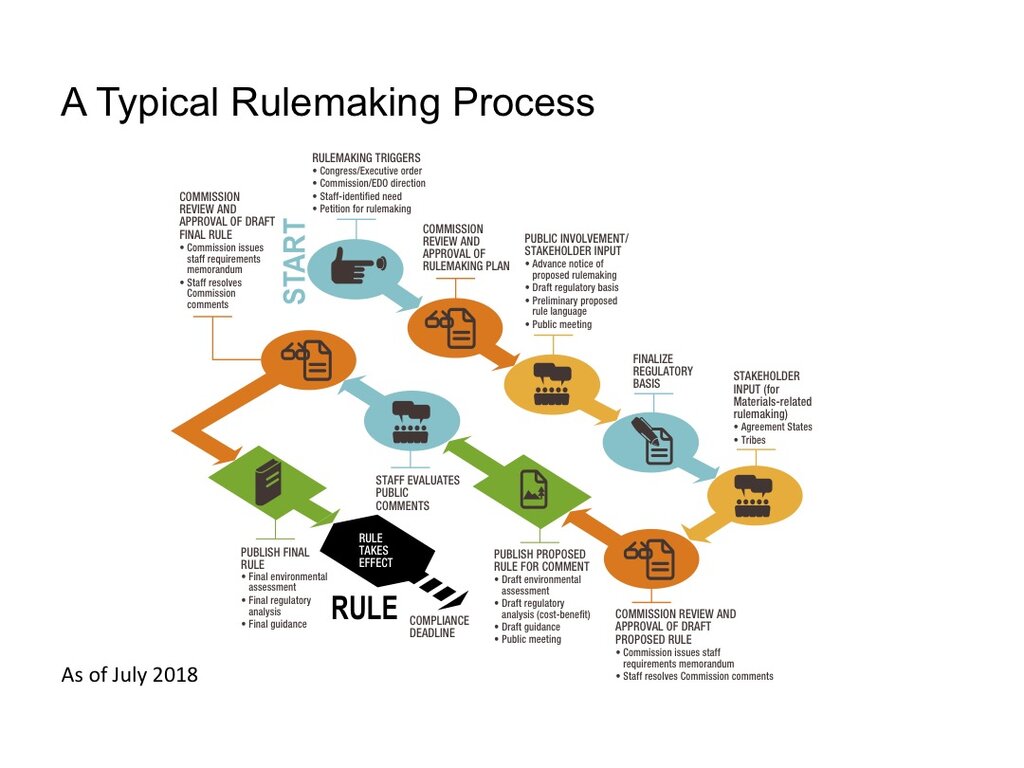
Ultimately, lobbyists play a complex and often controversial role in the American political system. They are a direct channel for communication between various sectors of society and the government. By providing valuable expertise and advocating for their causes, they help shape public policy. However, the system relies on strong ethical standards and robust regulations to ensure that the process remains fair and transparent for everyone.
What is the primary purpose of lobbying?
The right to lobby is protected by which part of the U.S. Constitution?