From Intention to Achievement
Outcome Driven Planning
From Outputs to Outcomes
Many people confuse being busy with being effective. They build a long to-do list and feel productive as they check off tasks. This is focusing on output. An output is the tangible thing you produce or the action you complete. You wrote a report, made 50 sales calls, or launched a new website feature. These are all outputs.
An outcome, however, is the result of that work. It’s the change you created. The report led to a 10% budget increase, the sales calls generated three new clients, and the website feature reduced customer support tickets by a quarter. An outcome-driven approach doesn't ask, “What did I do?” It asks, “What happened because I did it?” Shifting your mindset from completing tasks to achieving results is the foundation of effective planning.
Focusing on outcomes ensures your efforts are always tied to a meaningful purpose, not just a series of disconnected tasks.
The SMART Framework Revisited
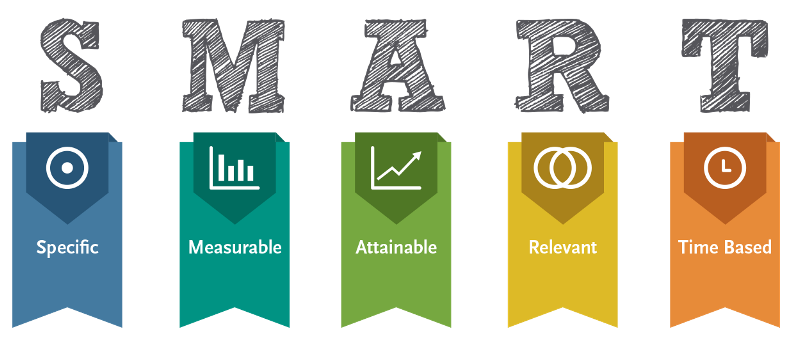
You’re likely familiar with SMART goals, but let's look at this framework through an outcome-oriented lens. It's not just a checklist; it's a tool for crafting goals that create real impact.
-
Specific: A traditional goal might be "Improve the company blog." A specific, outcome-driven goal is "Increase blog engagement to establish our brand as a trusted industry voice." It connects the what to the why.
-
Measurable: How will you measure success? Instead of an output metric like "Publish 4 blog posts a month," focus on outcome metrics like "Increase average time on page by 30 seconds" or "Grow organic search traffic to the blog by 20%."
-
Attainable: This is about reality-checking your ambition. Can you actually achieve a 20% traffic increase with your current resources in a single quarter? It's better to set a challenging but achievable goal than one that's destined to fail and demoralize your team.
-
Relevant: Does this goal matter to the bigger picture? If the company's main objective is to reduce customer churn, increasing blog traffic might be less relevant than, say, improving the user onboarding experience. Relevance ensures your work pushes the most important needle forward.
-
Time-bound: Every goal needs a deadline. Setting a timeframe, like "by the end of Q3," creates urgency and provides a clear point to evaluate success. Without a deadline, a goal is just a dream.
Defining Your Key Results
The best way to apply outcome-driven thinking is with a framework called OKRs, which stands for Objectives and Key Results. It's a simple but powerful way to structure your goals.
An Objective is your ambitious, qualitative vision. It's where you want to go. It should be inspiring and a bit audacious. For example, "Launch a legendary new mobile app."
Key Results are the measurable outcomes that prove you've reached your objective. They are the evidence of your success. For our objective, the Key Results might be:
- Achieve 10,000 downloads in the first month.
- Secure an average app store rating of 4.7 stars or higher.
- Get featured in three major tech publications.
Notice that none of these are tasks. They are all results. The tasks are what you do to achieve the Key Results, but the KRs themselves are the measure of success.
A well-executed OKR implementation with a good OKR management system promotes focused, outcome-driven discussions, enables more autonomy, reduces delays due to issues and dependencies, enhances team alignment, fosters accountability, and can, as a result, cut the average time spent in meetings by 25%, allowing teams to focus more on high-impact work.
The beauty of this system is its flexibility. The Objective remains fixed for the quarter, but your tactics for hitting the Key Results can change. If your initial plan to get featured in tech publications isn't working, you can pivot your strategy without abandoning the goal. This is in action. You're not rigidly attached to a plan (the output); you're committed to the goal (the outcome).
Breaking Down the Vision
A big vision can feel overwhelming. The key is to break it down into a series of smaller, sequential objectives. Think of it like a roadmap. Your vision is the final destination, and your quarterly OKRs are the major cities you need to pass through along the way.
This approach connects your long-term ambition to your immediate priorities. Each quarter, you're not just completing tasks; you're making measurable progress toward your ultimate goal. This hierarchical structure ensures that every small effort is aligned with the grand vision, making your work both focused and meaningful.
Time to check your understanding of these core concepts.
Which of the following best describes the difference between an output and an outcome?
A team's objective is to "Improve user satisfaction with our mobile app." Which of the following is the best example of an outcome-focused Key Result for this objective?
By consistently focusing on outcomes, you transform your planning from a reactive chore into a proactive strategy for success.