From Idea to Book
Understanding Book Genres
What is a Genre?
Think of a genre as a category for your book. It's a label that tells readers what kind of story to expect. When you walk into a bookstore or browse online, books are usually sorted by genre. This helps people find exactly what they're in the mood for, whether it's a thrilling mystery or a sweeping romance.
Genre
noun
A style or category of art, music, or literature.
Genres aren't just for organizing shelves. They are a promise to the reader. If someone picks up a book labeled "mystery," they anticipate clues, suspense, and a puzzle to solve. If it's a "romance," they look forward to a developing relationship and emotional connection. These shared understandings are what make genres so useful for both writers and readers.
Put simply, a “genre” arises when people share an understanding of what a text should look like, how it should be structured, and why it matters to their group’s goals and beliefs.
A Tour of Common Genres
While there are countless subgenres, most books fall into a few broad categories. Understanding the basic building blocks of these genres is the first step to finding the right home for your story. Let's look at some of the most common ones.
| Genre | Core Characteristics |
|---|---|
| Fiction | Stories created from the imagination; not presented as fact. |
| Non-Fiction | Factual stories and information based on real events, people, or topics. |
| Mystery | A puzzling crime or event that needs to be solved, usually by a protagonist. |
| Romance | Centers on the relationship and romantic love between two people. |
| Science Fiction | Often set in the future or on other worlds, based on imagined scientific or technological advances. |
| Fantasy | Contains magical or supernatural elements that do not exist in the real world. |
| Thriller | Characterized by suspense, excitement, and a sense of impending doom. |
Each of these categories has its own set of rules and reader expectations, often called tropes. A mystery needs a compelling question. A science fiction story needs a believable, thought-out world. A romance needs a central relationship that readers can root for. Breaking these fundamental rules can confuse or disappoint your audience.
Finding Your Niche
Choosing a genre is a critical decision. It’s about more than just picking a label; it’s about identifying your target audience and the conversation you want to join. Your interests as a writer are the best place to start. What kinds of stories do you love to read? Writing in a genre you're passionate about will make the process more enjoyable and your story more authentic.
Next, think about your ideal reader. Who are you writing for? What are they looking for in a book? A story that might delight a fantasy reader could fall flat with someone who prefers historical non-fiction. Aligning your story with a genre helps you connect with the right audience—people who are already excited about the kind of story you want to tell.
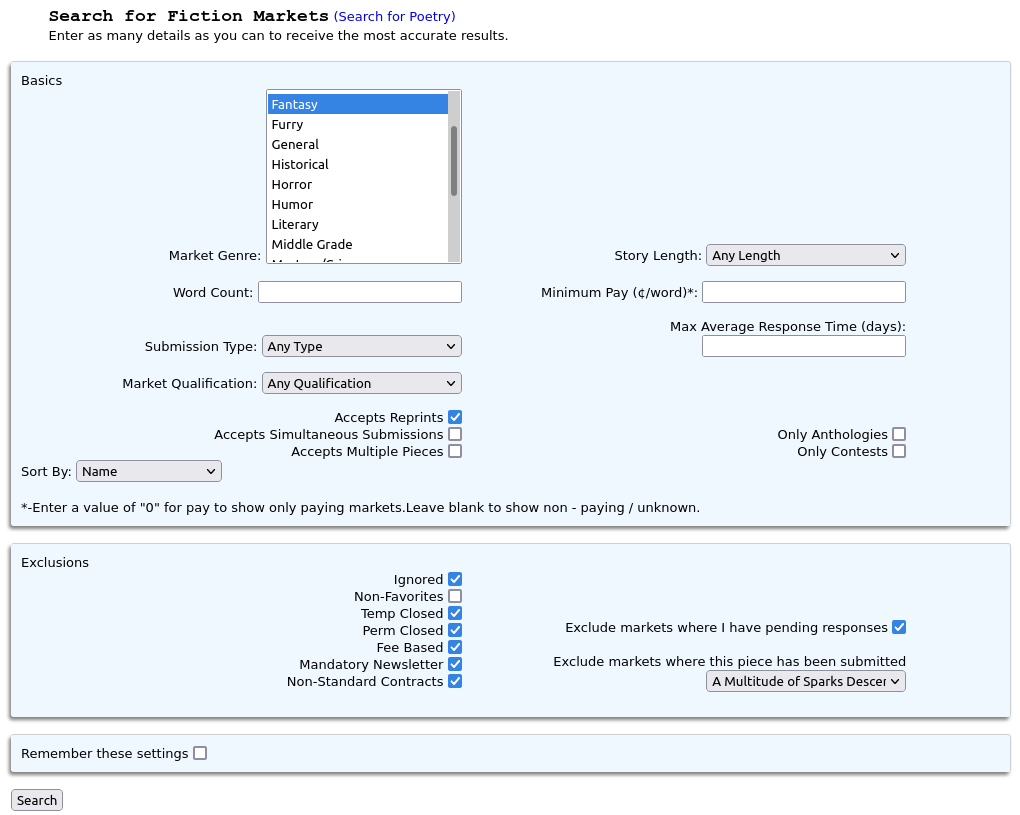
This choice will guide many of your writing decisions, from plot structure to character archetypes. It sets a framework for your creativity and helps ensure your final book meets the expectations of your future fans.
Choosing a genre that fits your idea is the first step in turning your concept into a book that readers will love.
Ready to test your knowledge? This quiz will help you check your understanding of book genres and why they matter.
What is the primary function of a book genre?
The shared rules and reader expectations within a genre, such as a puzzle to solve in a mystery, are often called ______.
With a clear genre in mind, you're ready to start building the world of your story.