From Feudalism to Fixed-Rate Mortgages: The Story of Home Ownership
Feudal Land Tenure
The King Owns Everything
In the feudal system, the idea of owning land as we know it today didn't exist. Instead, there was one ultimate owner: the monarch. The king or queen technically owned every inch of the kingdom. Everyone else, from the most powerful duke to the humblest farmer, was essentially a tenant.
This created a pyramid-like social structure based entirely on land. The king sat at the top. He granted large parcels of land, called fiefs, to his most trusted nobles and barons. These nobles, in turn, granted smaller portions of their land to lesser lords or knights. At the bottom were the peasants, who worked the land but held none of it.
This grant of land wasn't a gift. It was a transaction. The person receiving the land was known as a vassal, and the person granting it was their lord. This relationship was the bedrock of feudal society.
fief
noun
An estate of land, especially one held on condition of feudal service.
Land for Loyalty
The core of the feudal system was an exchange of land for service. A lord granted a fief to a vassal. In return, the vassal swore an oath of fealty, a promise of loyalty and support to the lord. This agreement was often sealed in a formal ceremony called homage, where the vassal would kneel before the lord and pledge their service.
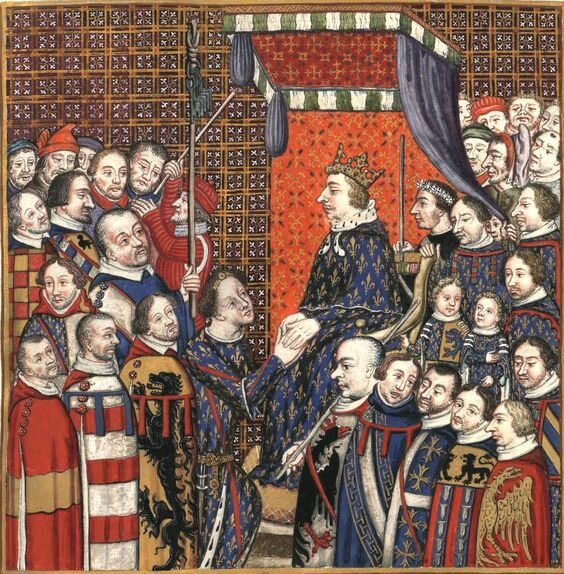
The vassal's obligations were serious. The most important was military service. When the lord went to war, his vassals were required to fight for him for a certain number of days each year. They also had to provide the lord with money on special occasions, like when the lord's eldest son was knighted or his daughter married. In return, the lord's duty was to protect the vassal and their land from attack.
| Role | Gives... | Receives... |
|---|---|---|
| Lord | Land (fief) & Protection | Loyalty & Military Service |
| Vassal | Loyalty & Military Service | Land (fief) & Protection |
No Private Property
This system of holding land in exchange for service is called tenure. It's fundamentally different from modern ownership. A vassal never truly owned the fief. They simply had the right to use it and profit from it, as long as they fulfilled their duties to their lord. If a vassal broke their oath or failed to provide the required service, the lord had the right to take the land back.
Land couldn't be freely bought or sold. Transferring a fief from one person to another required the lord's permission. Typically, when a vassal died, their eldest son would inherit the fief, but he first had to swear his own oath of fealty to the lord and often pay a tax.
At the very bottom of this system were the peasants, or serfs. They were not granted land but were bound to it. They worked the lord's fields in exchange for his protection and the right to farm a small plot for their own families. They had almost no rights and could not leave the manor without the lord's permission.
Let's review the key terms from this system.
Now, check your understanding of how feudal land tenure worked.
Who was considered the ultimate owner of all land within a feudal kingdom?
What was the name for a parcel of land granted by a lord to a vassal?
This system of land tenure, based on personal loyalty and service, defined medieval society and laid the groundwork for how concepts of property would evolve over centuries.