From Business Plan to Seed Funding
Launch Milestones
From Plan to Market
A business plan is a map. Launching your startup is the actual journey. The transition from paper to product is where most early ventures stumble. Your goal is to move from theoretical customer personas to real market validation as efficiently as possible. This phase is less about perfecting your strategy and more about proving its core assumptions with tangible results.
This early stage often involves what's known as 'seed-strapping.' It's a hybrid approach that combines the scrappiness of bootstrapping with a small injection of capital, usually from angel investors or friends and family. The aim isn't to fully fund the company, but to generate just enough traction to make your startup attractive to institutional seed investors. You're buying evidence.
At the seed stage, what convinces investors is your ability to communicate vision, traction, and a credible path forward.
Setting Up for Success
Before you can impress venture capitalists (VCs), you need to get your financial house in order. This isn't just about good practice; it's a prerequisite for funding. Investors will perform due diligence, and messy finances are a major red flag. It suggests a lack of discipline and foresight.
Start with the basics. Open a separate business bank account. Never mix personal and business funds. This simplifies everything from tracking expenses to filing taxes. Set up a basic accounting system. You don't need a full-time CFO, but you must be able to track every dollar in and out. The numbers in your accounting software should match the story you tell investors about your burn rate and financial health.
Choosing the right banking partner is also crucial. Look for a bank that has experience with startups and venture capital. They'll understand the nature of VC wire transfers and can offer services that will scale with your company as you grow. A good relationship with your bank now can save you major headaches later.
Fueling Your Growth
With your operational foundation in place, the focus shifts to translating your business plan milestones into the kind of traction that excites investors. Traction is proof. It can be early revenue, user engagement metrics, letters of intent from pilot customers, or a successful beta test. It’s any data point that validates your market and your solution.
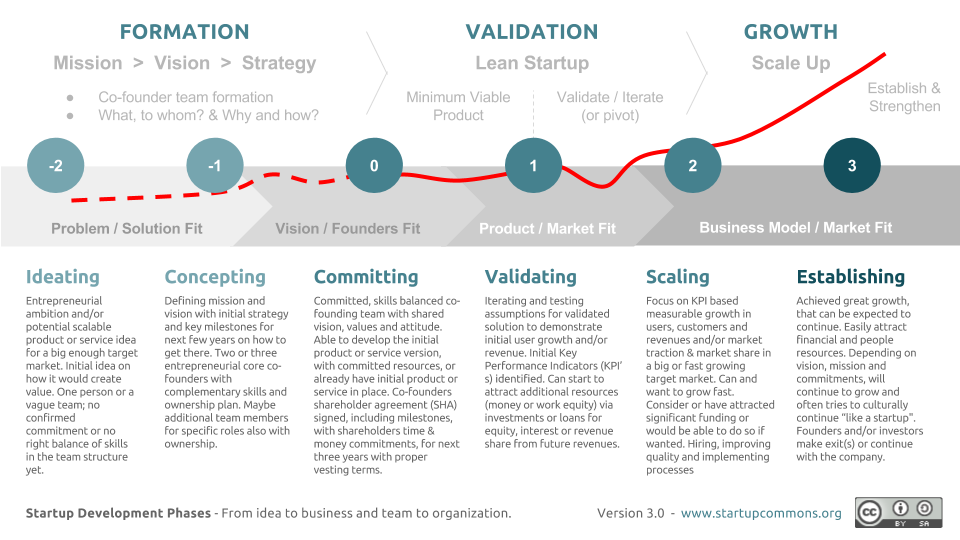
When you pitch for seed funding, your 'use of funds' shouldn't be a generic list of categories like 'salaries' and 'marketing.' Instead, frame it as the specific fuel required to hit the next set of critical milestones. For example, instead of asking for $100,000 for marketing, explain that you need $100,000 to acquire your first 1,000 paying customers, which will validate your customer acquisition cost model.
This approach demonstrates strategic thinking. You're not just asking for money; you're outlining a clear, milestone-driven plan for the next 18-24 months. This is your runway—the amount of time your company has until the cash runs out. The goal of a seed round is to provide a long enough runway to reach the metrics and milestones that will pass the 'Series A filter,' proving your business is ready for the next level of institutional investment.
Burn Rate
noun
The rate at which a company is spending its capital to finance overhead before generating positive cash flow from operations.
Ready to test your knowledge on preparing for launch?
What is the primary goal when transitioning from a business plan to an actual product launch?
The practice of 'seed-strapping' involves fully funding the company through personal savings and revenue alone.
Successfully navigating the path from a plan to a funded launch requires discipline, strategic thinking, and a relentless focus on generating meaningful traction.