Frog Anatomy Unveiled
Frog External Anatomy
The Basic Frog Body Plan
A frog's body is divided into two main sections: the head and the trunk. Unlike many other animals, they don't have a distinct neck, so the head attaches directly to the trunk. From the trunk extend two pairs of limbs: the shorter forelimbs and the much longer, more powerful hindlimbs.
The head contains the frog's sensory organs. The large, bulging eyes are positioned on top of the head, giving the frog a wide field of view to spot predators and prey. Just in front of the eyes are the external nostrils, or nares, which they use for breathing. Behind each eye is a circular patch of skin called the tympanic membrane, which functions as an eardrum, vibrating in response to sound waves.
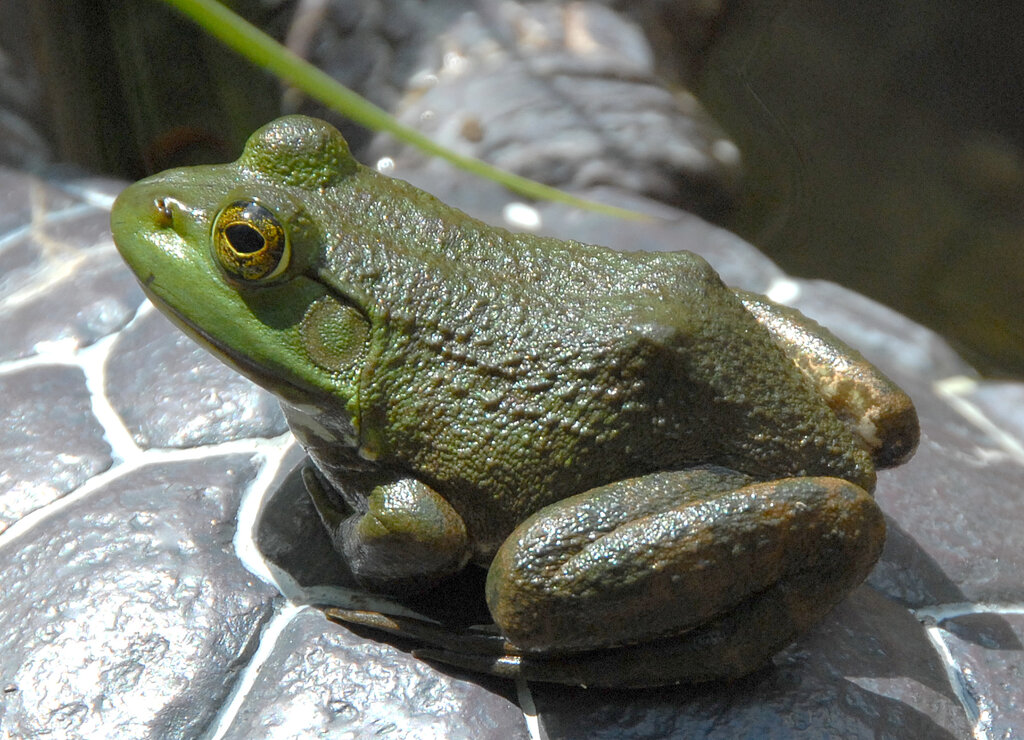
The four limbs are crucial for movement. The front legs are short and help prop the frog up when it sits and absorb shock when it lands from a jump. The real power comes from the long, muscular hind legs. These allow frogs to make explosive jumps on land and propel themselves efficiently through water. The toes on their hind feet are often webbed, creating a paddle-like surface for swimming.
More Than Just Skin
A frog's skin is one of its most remarkable features. It's thin, permeable, and lacks scales, feathers, or hair. This unique structure serves multiple critical functions. The skin is kept moist by mucus secreted from glands, which is essential for a process called cutaneous respiration. This allows frogs to absorb oxygen directly from the water or air through their skin, supplementing the oxygen they get from their lungs.
Besides breathing, the skin offers protection. Some frogs have granular glands that secrete poisonous or bad-tasting substances to deter predators. This is why you should always wash your hands after handling a frog.
A Coat of Many Colors
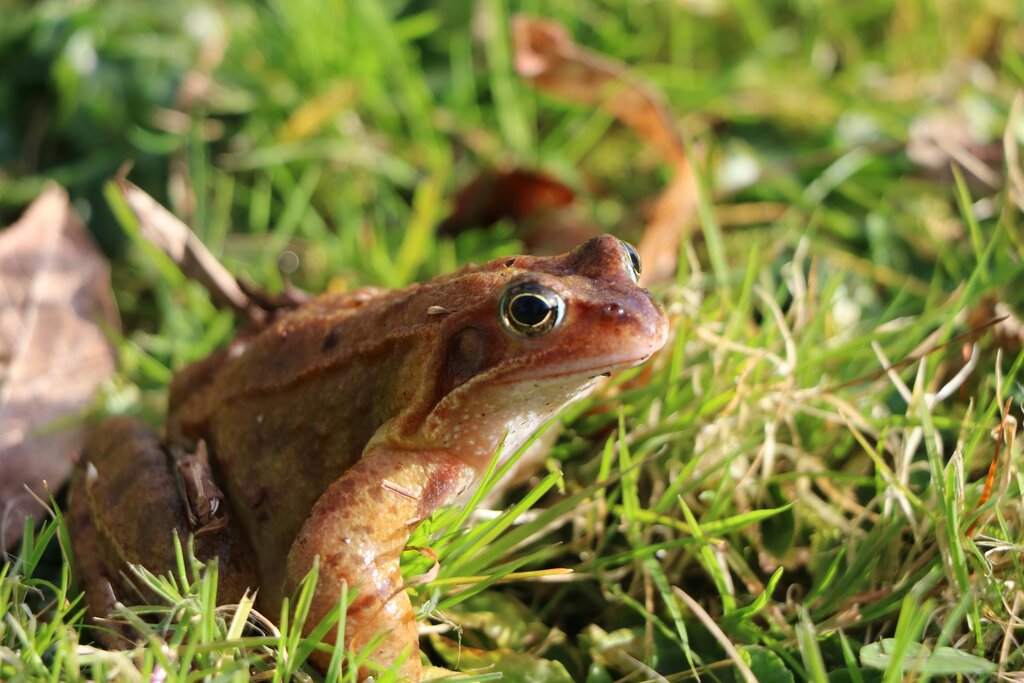
Frog coloration is a masterclass in survival. Many species use cryptic coloration, or camouflage, to blend in perfectly with their surroundings. Browns, greens, and mottled patterns help them disappear into mud, leaves, or vegetation, hiding them from both predators and unsuspecting prey.
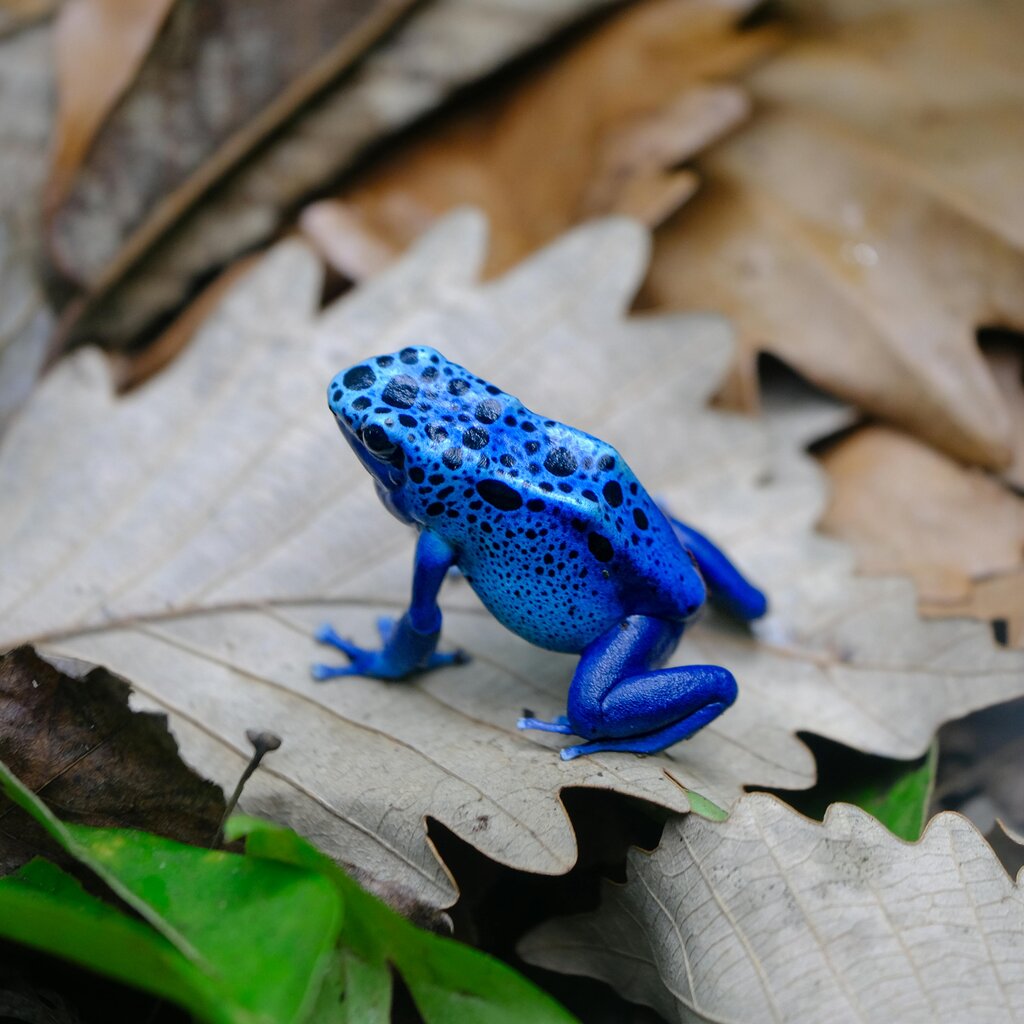
In stark contrast, some frogs are anything but hidden. Bright, vibrant colors like red, yellow, and blue serve as a warning. This strategy, known as aposematism, advertises to predators that the frog is toxic and not a safe meal. The bold colors are an unforgettable signal to stay away.
Built for Two Worlds
Frogs are amphibians, and their external anatomy is perfectly adapted for a life split between land and water. The powerful, webbed hind feet that launch them over land also make them expert swimmers. Their permeable skin allows them to breathe underwater for extended periods.
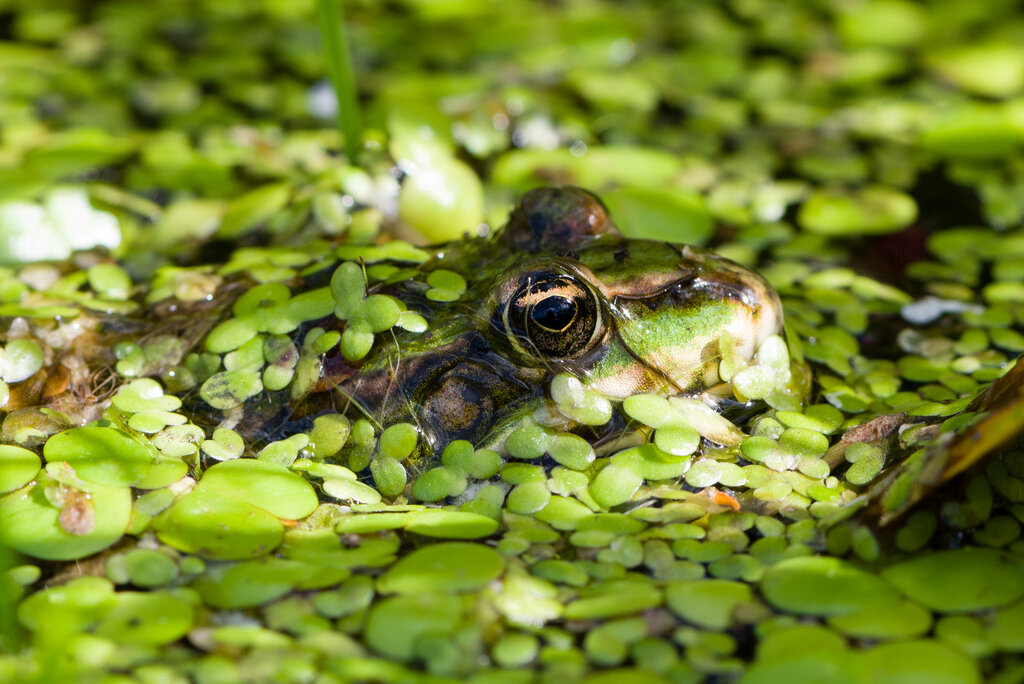
Even the placement of their sensory organs is strategic. With eyes and nostrils on the very top of their head, a frog can sit almost completely submerged in water, hidden from view, while still being able to see and breathe.
Time to check what you've learned about the outside of a frog.
What are the two main sections of a frog's body?
The circular patch of skin behind a frog's eye, which functions as an eardrum, is called the:
From their powerful legs to their specialized skin, a frog's external features reveal everything about how they've adapted to thrive in diverse environments.