Freshwater Quality Science Olympiad Prep
Introduction to Water Quality
What Is Water Quality?
Think of water quality as a health report for a lake, river, or stream. It’s not simply about whether the water looks clear or dirty. Water quality is a measure of the water’s condition based on the needs of the living things within it, like fish and insects, as well as its suitability for human uses like drinking or swimming.
Just like a doctor checks your temperature, blood pressure, and heart rate to get a full picture of your health, scientists assess different characteristics of water to understand its overall condition. A pristine mountain stream has a different “healthy” profile than a slow-moving, marshy river, but both can have good water quality for their respective ecosystems.
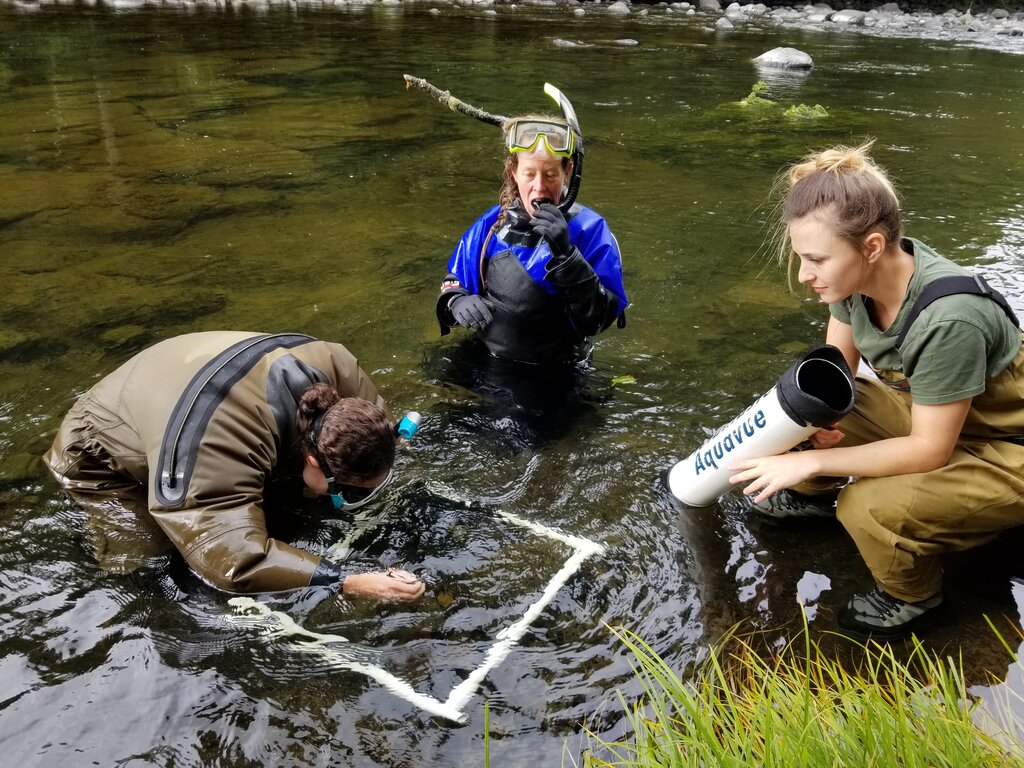
This assessment involves looking at the water’s physical, chemical, and biological characteristics. Is it warm or cold? Does it have enough oxygen? What kinds of microscopic organisms are living in it? The answers to these questions paint a detailed picture of the water's health.
What Shapes Water Quality?
The health of a body of water is constantly influenced by its surroundings. These influences can be broken down into two main categories: natural factors and human activities.
Natural factors are part of the landscape. The geology of an area plays a big role; as water flows over rocks and through soil, it picks up minerals. The local climate is also key. Heavy rainfall can wash material from the land into a river, while a drought can concentrate dissolved substances. The surrounding vegetation helps hold soil in place, preventing erosion and keeping the water clearer.
Human activities often have a more dramatic and rapid impact. Runoff from farms can carry fertilizers and pesticides into streams. Waste from industrial facilities can introduce harmful chemicals. Even everyday life in cities contributes, as rain washes oil, salt, and litter from streets and parking lots into the nearest waterway. Building dams, diverting water for irrigation, and removing streamside vegetation also profoundly alter the ecosystem and its water quality.
Why It Matters
Poor water quality can have devastating effects on freshwater ecosystems. When a river is polluted or its natural conditions are thrown out of balance, the organisms living there suffer. Some species are very sensitive and act as early warning signs, disappearing when conditions decline. If the situation worsens, it can lead to a chain reaction that affects the entire food web, from tiny algae to large fish.
Maintaining good water quality is essential for biodiversity. Healthy aquatic ecosystems are home to a huge variety of life. They also provide critical services for us, including clean drinking water, recreational opportunities like fishing and boating, and support for agriculture.
Every living thing in a freshwater ecosystem is adapted to a specific set of conditions. Sudden changes can stress or eliminate entire populations.
In events like the Science Olympiad Freshwater competition, you'll dive deeper into this topic. The competition challenges you to identify freshwater organisms and understand their relationship to water quality. You’ll see how the presence of a certain species of macroinvertebrate (insects and other small creatures without backbones) can tell you a lot about the health of its environment.
Understanding the fundamentals of water quality is the first step. It’s not just about memorizing facts, but about learning to read the story that a river or lake is telling you through its physical, chemical, and biological signs.
Which statement best defines 'water quality'?
A scientist finds a large population of a macroinvertebrate species that is known to be very sensitive to pollution. What can they infer about the water quality?