French Trucker Regulations
Introduction to Tachographs
The Driver's Logbook
In commercial transport, ensuring driver safety and fair competition is crucial. A key tool for this is the tachograph, a device installed in trucks to monitor driving times, breaks, and rest periods. Its main job is to help enforce regulations designed to prevent driver fatigue, which is a major cause of accidents on the road. By creating a standardized record of a driver's activity, it also helps ensure a level playing field for all transport companies.
The tachograph is the device that records driving time, breaks and rest periods as well as periods of other work and availability of drivers engaged in the carriage of goods or passengers by road.
Think of it as an automated, highly accurate logbook that provides an objective record of a driver's workday.
Analogue vs. Digital
Tachographs come in two main forms: analogue and digital.
Analogue tachographs are the older style. They use a paper disc, often called a tacho chart, which is coated in wax. A stylus scratches lines onto the chart, recording the vehicle's speed and the driver's activity over a 24-hour period. The driver must manually switch the device between modes like driving, working, and resting.
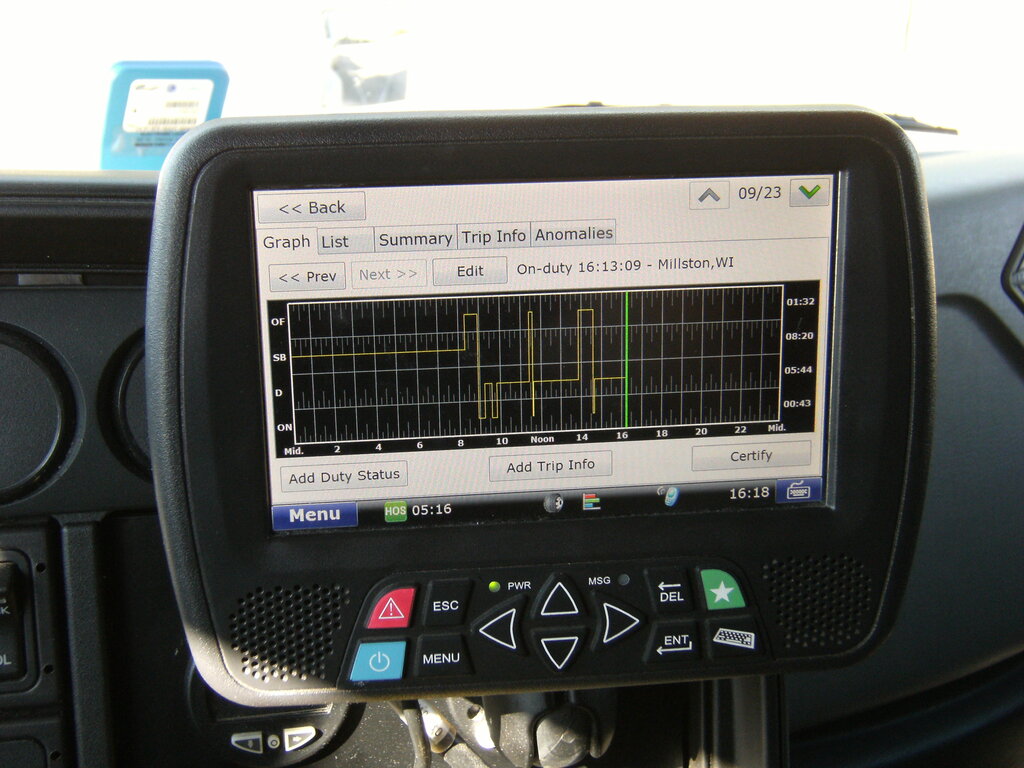
Digital tachographs are the modern standard. They record data onto a smart card, similar to a credit card, which is unique to each driver. The data is also stored in the tachograph unit itself. This system is much more secure and harder to tamper with, providing a more reliable record.
While analogue systems still exist in older vehicles, all new commercial vehicles must be fitted with digital tachographs.
What Gets Recorded
A tachograph records several key pieces of information to build a complete picture of the driver's journey and work patterns. Beyond just driving time, it tracks all of the driver's different duty statuses.
| Activity Mode | Symbol | Description |
|---|---|---|
| Driving | - | Any time the vehicle is in motion. |
| Other Work | 🔨 | Loading, unloading, or other work-related tasks. |
| Availability | ⧄ | Waiting periods, like for loading or unloading. |
| Rest/Break | 🛏️ | Breaks from driving and daily/weekly rest periods. |
In addition to these activities, the tachograph also logs the vehicle's speed, the distance traveled, and the dates and times for all activities. It also records information identifying the driver and the vehicle.
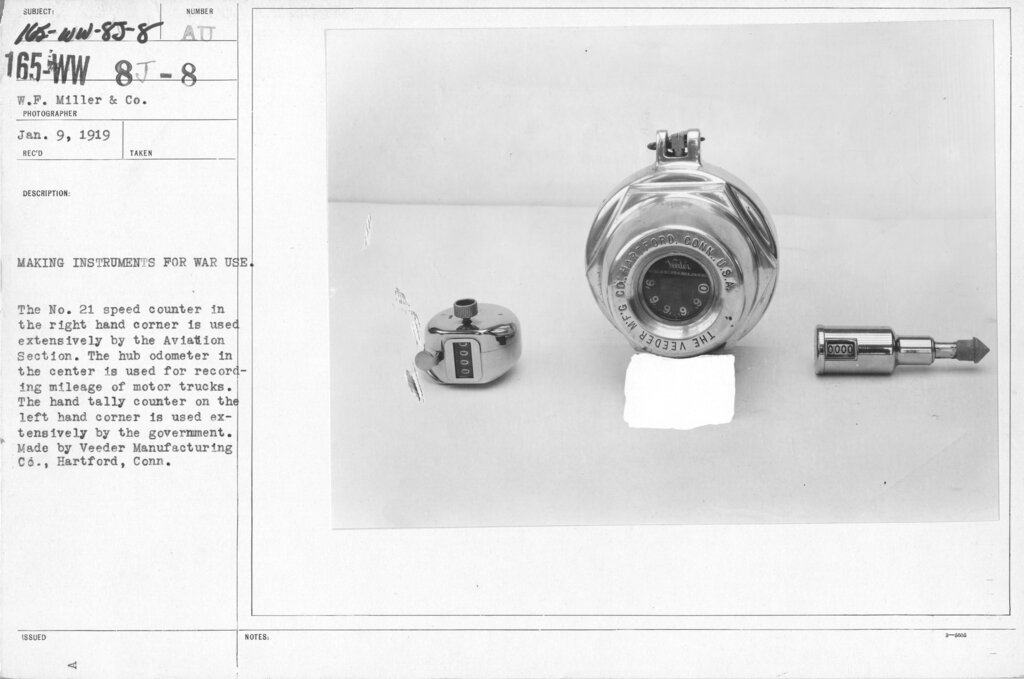
Tachographs record information about driving time, speed and distance.
Who Needs One
The rules for tachograph installation are quite specific. In France, as in the rest of the EU, it is mandatory to have a tachograph in vehicles intended for transporting goods that have a total mass of more than 3.5 tonnes.
For passenger transport, the rule applies to vehicles built to carry more than nine people, including the driver. These regulations ensure that the vast majority of commercial road transport is monitored.
A significant change is coming. The regulations are expanding to include lighter vehicles to further improve road safety.
From 1 July 2026: Light commercial vehicles (2.5–3.5 tonnes) used in international transport or cabotage will require Smart Tachograph 2 installation.
This upcoming mandate means that many more vans and small trucks involved in cross-border transport will need to be equipped with the latest generation of smart tachographs.
Ready to check your understanding?
What are the two primary purposes of a tachograph in commercial transport?
How does a digital tachograph primarily differ from an analogue one in terms of data storage?
Understanding the role of the tachograph is the first step toward ensuring compliance and safety on the road.