French Revolution Timeline
Introduction to the French Revolution
France in Crisis
In the late 1700s, France was a powerhouse of Europe, but beneath the surface, it was teetering on the edge of collapse. The country was ruled by an absolute monarch, King Louis XVI, who held all the power. Society was rigidly divided into three classes, or "Estates," a system that had existed for centuries.
| Estate | Who They Were | Population | Land Ownership | Taxes |
|---|---|---|---|---|
| First Estate | Clergy (church officials) | ~1% | ~10% | Paid none |
| Second Estate | Nobility | ~2% | ~25% | Paid almost none |
| Third Estate | Everyone else (peasants, merchants, workers) | ~97% | ~65% | Paid all of them |
This structure was deeply unfair. The Third Estate, which included everyone from poor farmers to wealthy merchants, carried the entire financial burden of the nation. They paid heavy taxes to fund the lavish lifestyles of the nobility and the king, as well as expensive wars, like France’s involvement in the American Revolution.
Adding to the misery, a series of bad harvests led to a severe grain shortage. The price of bread, the main food for most French people, skyrocketed. While the common people starved, the monarchy and nobility continued to live in luxury, seemingly indifferent to the suffering.
This combination of social inequality, government debt, and widespread hunger created a perfect storm for revolution.
Ideas and Action
At the same time, new ideas were spreading across Europe. During a period known as the Enlightenment, thinkers like Jean-Jacques Rousseau and Voltaire challenged the traditional authority of monarchies and the church. They argued that governments should be based on reason and protect the rights of the people.
These ideas of liberty, equality, and popular sovereignty resonated deeply with the frustrated Third Estate. They began to demand a voice in government and a more just society.
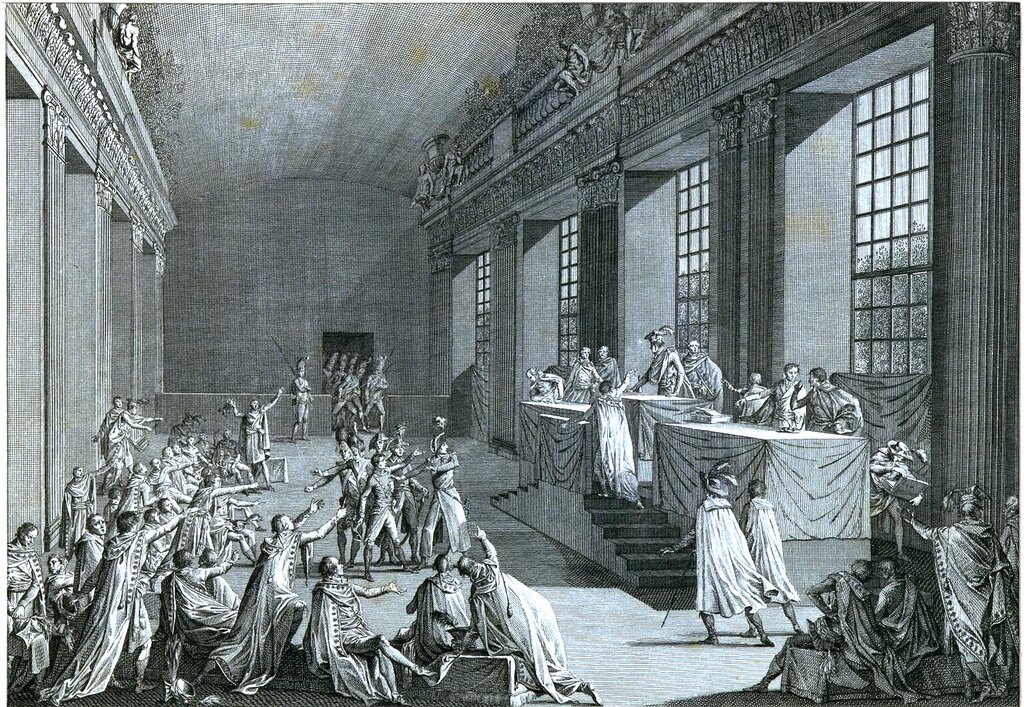
In May 1789, King Louis XVI, desperate for money, called a meeting of the Estates-General, an assembly of representatives from all three estates. It was the first time it had met in 175 years. The Third Estate hoped for reform, but they were quickly shut down by the clergy and nobility, who wanted to protect their privileges. In response, the Third Estate declared themselves the National Assembly, the true representatives of the French people.
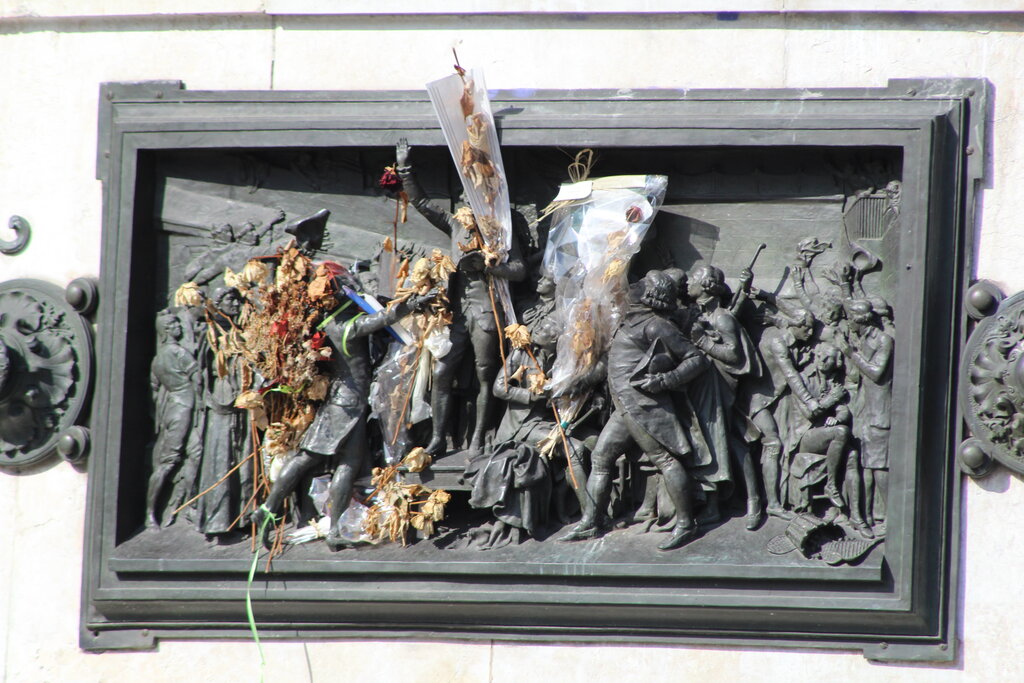
When they were locked out of their usual meeting hall, they gathered in a nearby indoor tennis court and took an oath not to give up until they had written a new constitution for France. This event, known as the Tennis Court Oath, was a direct challenge to the king's authority.
The Revolution Ignites
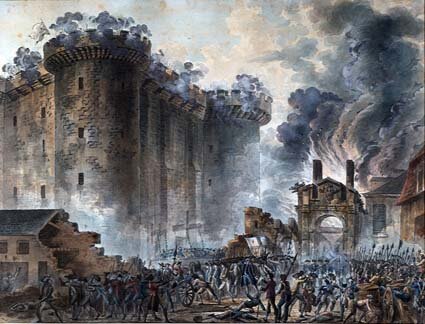
As political tensions rose, so did unrest in the streets of Paris. On July 14, 1789, fearing the king would use the army to crush the new National Assembly, a mob of Parisians stormed the Bastille, a medieval fortress used as a prison. The Bastille was a powerful symbol of royal tyranny, and its fall marked the beginning of the French Revolution.
Shortly after, the National Assembly issued a groundbreaking document: the Declaration of the Rights of Man and of the Citizen. It declared that all men were born free and equal in rights, and that the government’s job was to protect those rights. This document laid the foundation for a new, more democratic society.
The revolution entered a more radical and violent phase. The monarchy was abolished, and King Louis XVI and Queen Marie Antoinette were executed by guillotine. A period known as the Reign of Terror began, led by Maximilien Robespierre. In the name of protecting the revolution from its enemies, thousands of people were arrested and executed.
The chaos and bloodshed of the Reign of Terror couldn't last. By 1799, France was exhausted by a decade of turmoil. The people longed for stability. This created an opening for a brilliant and ambitious military general to seize power: Napoleon Bonaparte. His coup d'état marked the end of the French Revolution and the beginning of a new era for France and Europe.
Before the revolution, French society was divided into three "Estates." Which estate paid the vast majority of taxes?
What was the significance of the Tennis Court Oath?
The French Revolution was a complex and transformative period that reshaped not just France, but the entire world, leaving a lasting legacy of democratic ideals.