French Present Conditional Tense
Introduction to the Present Conditional
The Language of 'What If'
Imagine you're daydreaming. What would you do if you won the lottery? Where could you go if you had a month off work? This world of possibilities, of 'what ifs' and 'could bes', is where the French conditional tense lives. It's less about what is and more about what could be under certain conditions.
The conditional isn't just a tense; it's a mood. It shifts the conversation from facts to hypotheticals.
Think of it as the French equivalent of using "would" in English. It softens requests, makes suggestions gentler, and allows you to talk about dreams and possibilities. For instance, instead of demanding a coffee, you can politely ask for one. It's a key part of sounding natural and courteous in French.
Making Polite Requests
One of the most common uses of the conditional is to make polite requests. It's the difference between saying "I want" and "I would like." In French, this small change makes a big difference in tone.
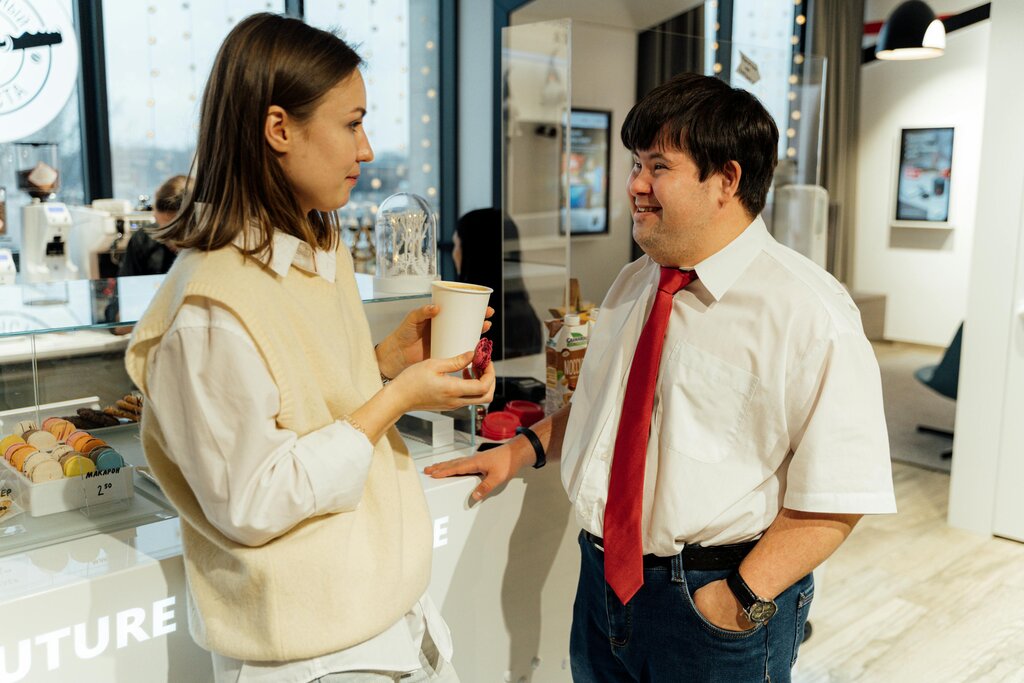
Let's compare the present tense with the conditional in a café setting.
| Tense | French Phrase | English Meaning |
|---|---|---|
| Present (Direct) | Je veux un croissant. | I want a croissant. |
| Conditional (Polite) | Je voudrais un croissant. | I would like a croissant. |
Both get the point across, but the second one is much more polite. You'll hear the conditional constantly in shops, restaurants, and everyday interactions. Using verbs like vouloir (to want), pouvoir (to be able to), and aimer (to like) in the conditional makes your speech sound much more natural.
Pourriez-vous m'aider, s'il vous plaît ? (Could you help me, please?)
J'aimerais visiter le Louvre. (I would like to visit the Louvre.)
Exploring Possibilities
Beyond politeness, the conditional opens up the world of hypothetical situations. This is where you use an "if... then" structure to talk about what you would do under different circumstances. The French structure often uses Si (if) + the imperfect tense, followed by the conditional.
Si + Imperfect Tense, ... Conditional Tense
This pattern sets up a condition that isn't true right now, and then describes the hypothetical result.
| Condition (Si + Imperfect) | Hypothetical Result (Conditional) |
|---|---|
| Si j'avais plus de temps... (If I had more time...) | ...je lirais plus de livres. (...I would read more books.) |
| Si nous étions en France... (If we were in France...) | ...nous mangerions des crêpes. (...we would eat crepes.) |
| S'il faisait beau... (If the weather was nice...) | ...on irait à la plage. (...we would go to the beach.) |
Notice how the first part of the sentence sets up a fantasy or a situation that isn't currently real. The conditional part then explains the consequence in that imaginary world. It's the perfect tense for dreamers.
What is the primary function of the French conditional tense?
Which of the following is the most polite way to ask for a croissant in a French bakery?
That's the core idea of the present conditional. It's a flexible and common tense for being polite and talking about things that aren't quite reality.