French Language Fundamentals
French Pronunciation and Greetings
The French Alphabet
The French alphabet uses the same 26 letters as English, which is a great start. However, the names of the letters are quite different. Learning them is essential, especially for spelling out names or addresses over the phone.
| Letter | French Name | Pronunciation (Approx.) |
|---|---|---|
| A a | a | ah |
| B b | bé | bay |
| C c | cé | say |
| D d | dé | day |
| E e | e | euh (like the 'u' in 'uh') |
| F f | effe | eff |
| G g | gé | zhay |
| H h | ache | ash |
| I i | i | ee |
| J j | ji | zhee |
| K k | ka | kah |
| L l | elle | ell |
| M m | emme | emm |
| N n | enne | enn |
| O o | o | oh |
| P p | pé | pay |
| Q q | qu | koo |
| R r | erre | airr (with a guttural 'r') |
| S s | esse | ess |
| T t | té | tay |
| U u | u | ee (with lips rounded) |
| V v | vé | vay |
| W w | double vé | DOO-bluh vay |
| X x | ixe | eeks |
| Y y | i grec | ee-grek ('Greek i') |
| Z z | zède | zed |
Key Sounds
While many letters look familiar, their sounds can be tricky. French vowels are typically "pure"—they don't glide into another sound like English vowels often do. Consonants have their own quirks, too.
One of the biggest rules to remember: the letter 'h' is always silent in French. For example, hôtel is pronounced 'otel'.
Another common pattern involves final consonants. Most consonants at the end of a word are silent. Think of words like petit (small), grand (big), or trop (too much). The 't', 'd', and 'p' are not pronounced.
The French 'r' is also famously different. It's not rolled with the tongue like in Spanish. Instead, it's a throaty sound produced at the back of the mouth, almost like a light gargle. Practice it with a word like rue (street) or très (very).
Basic Greetings
Now let's put some of these sounds into practice with essential greetings. These are the building blocks of any conversation.
Hello / Good day
Bonjour is the standard, all-purpose greeting you can use anytime during the day. It's polite and works in any situation, from a shopkeeper to a new acquaintance.
Hi / Bye
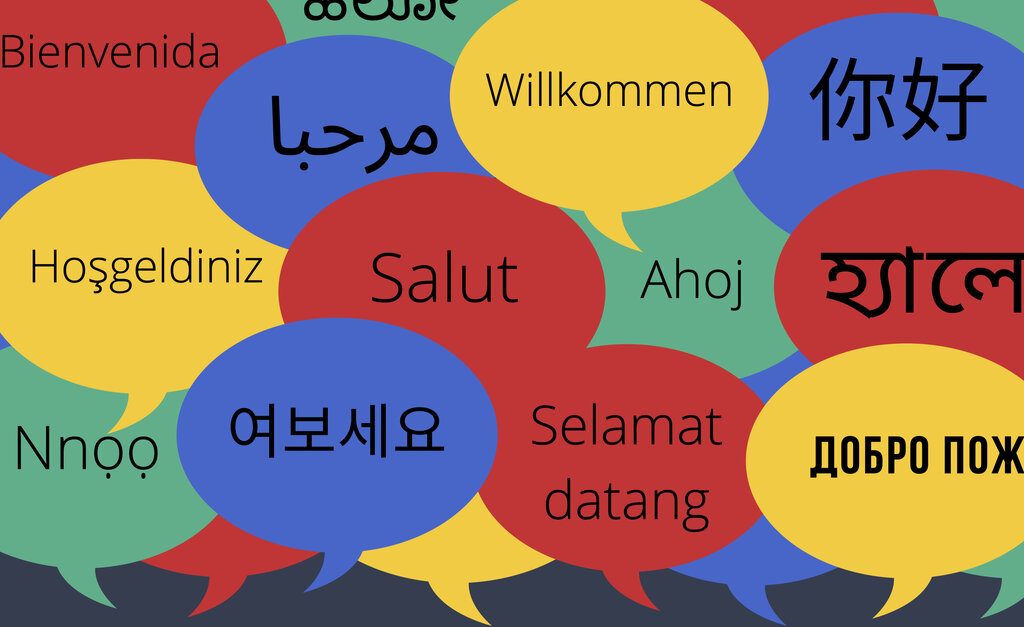
Salut is more informal, like saying "hi" or "hey" in English. You'd use it with friends, family, or people your own age. Interestingly, you can also use it to say bye.
How are you?
This is the classic way to ask how someone is doing. It can be used in both formal and informal contexts. A common response is simply Ça va bien, merci (I'm doing well, thank you).
Goodbye
This is the most common way to say goodbye. It literally means "to the seeing again," implying you'll see the person again. It's appropriate for any situation.
Polite Expressions
Politeness is highly valued in French culture. Mastering these two phrases will go a long way.
Thank you
Simple and essential. If you want to emphasize your gratitude, you can say Merci beaucoup (mair-see bo-koo), which means "Thank you very much."
Please
This is the formal way to say "please," used when speaking to strangers, elders, or in professional settings. The informal version, used with friends, is s'il te plaît (seel tuh pleh).
In the French word "petit" (small), how is the final 't' typically pronounced in most contexts?
Which of the following French greetings is the most versatile and polite for use during the day with anyone?
With these fundamentals, you're ready to start speaking and understanding basic French.