French Driving Test Prep
Introduction to French Traffic Laws
The French Rules of the Road
Getting behind the wheel in France means more than just knowing how to operate a car. It means understanding the philosophy and rules that govern every interaction on the road. This system is known as the Code de la Route.
Highway Code
Think of the Code de la Route not just as a book of rules, but as the entire legal framework for traffic. It sets out the principles for how millions of drivers, cyclists, and pedestrians can share the same space safely. It's a comprehensive guide that covers everything from vehicle standards to driver behavior.
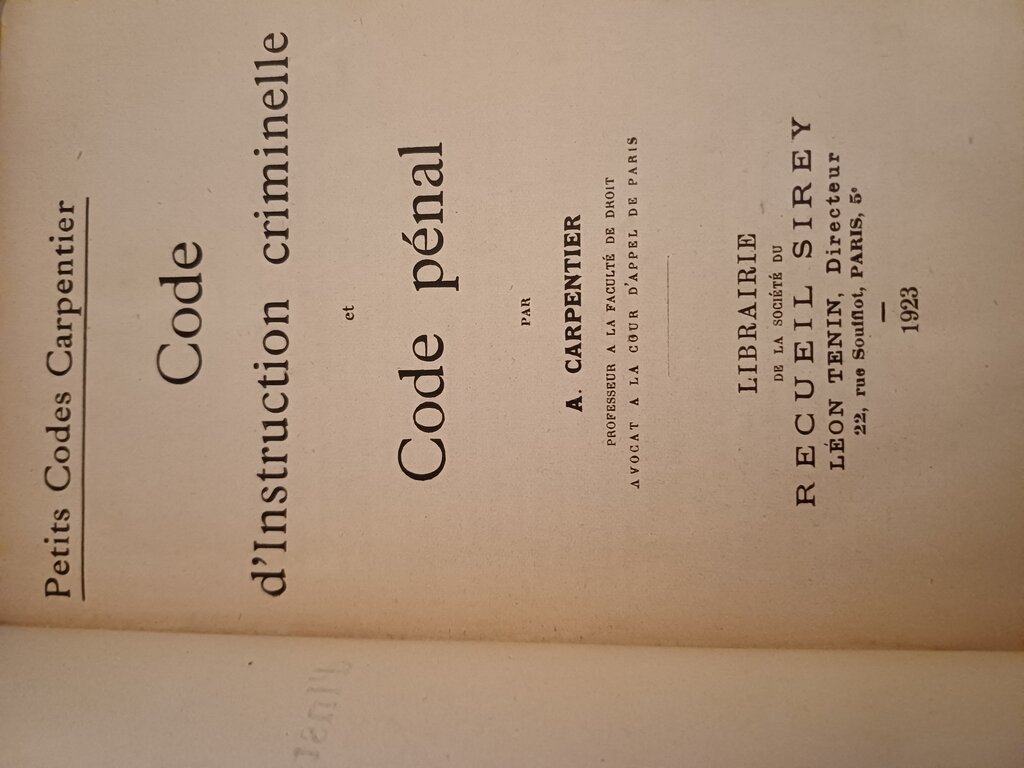
This framework is the foundation you'll build upon as you learn about specific signs and maneuvers. Understanding its core principles is the first step to becoming a safe and confident driver in France.
The Legal Framework
French traffic law is structured like a pyramid. At the top are national laws passed by the French Parliament. Below that are decrees and orders from the government that provide more detail. At the base are local ordinances from mayors or prefects, which can add specific rules for a town or region, like setting a lower speed limit on a particular street.
The entire system is built on a few key goals: ensuring the safety of all road users, keeping traffic flowing smoothly, and respecting others and the environment. Every rule, from stopping at a red light to signaling a turn, connects back to these core objectives.
The fundamental principle is safety. A driver's license isn't a right, but a privilege that comes with the responsibility to protect yourself and others.
Your Rights and Responsibilities
As a driver, you have both rights and, more importantly, responsibilities. Your primary responsibility is to exercise constant caution and control over your vehicle. This is often called the principle of prudence.
Prudence means you must always be in a position to execute any necessary maneuver. You need to anticipate the actions of others, adapt your speed to the conditions, and never assume another driver will follow the rules.
Your other key responsibilities include:
- Courtesy: Sharing the road requires mutual respect. This includes simple things like letting someone merge or being patient with a new driver.
- Vehicle Maintenance: You are legally required to keep your vehicle in good working order. This means functioning brakes, lights, and tires that meet safety standards.
- Legal Compliance: You must always carry your driver's license, vehicle registration (carte grise), and proof of insurance.
In return for fulfilling these duties, you have the right to use the road network. When you follow the rules, you can generally expect other drivers to do the same, allowing traffic to move in a predictable way. However, your responsibility to be prudent always comes first.
What is the primary function of the French Code de la Route?
The principle of prudence is a driver's most important responsibility. It primarily means exercising constant caution and control.
Understanding these foundational ideas prepares you to learn the specifics of French road law. It all starts with a commitment to safety and responsibility.