French Driving Laws Explained
Introduction to the French Code de la Route
France's Rulebook for the Road
In France, every person who uses a public road—whether driving a car, riding a bike, or walking—must follow a single set of rules. This official rulebook is known as the Code de la Route.
If you’re planning to drive in France, passing the “Code de la Route” (ETG - Examen Théorique Général) is your first step.
Think of it as the legal framework that governs traffic. It’s not just a guide; it’s the law. Its purpose is to keep roads safe and orderly for everyone, from truckers on the highway to children crossing the street to school.
A Brief History
The need for traffic laws grew with the rise of the automobile. In the early 20th century, French roads were becoming chaotic. To bring order, the first national Code de la Route was established in 1921. It was a major step in standardizing rules that had previously varied from one region to another.
Of course, the code didn't stop there. It has been updated countless times since. New laws were added to address higher speed limits, the construction of motorways (autoroutes), and modern safety features like seatbelts and airbags. France has a long tradition of centralized legal codes, dating back to Napoleon's famous Civil Code.
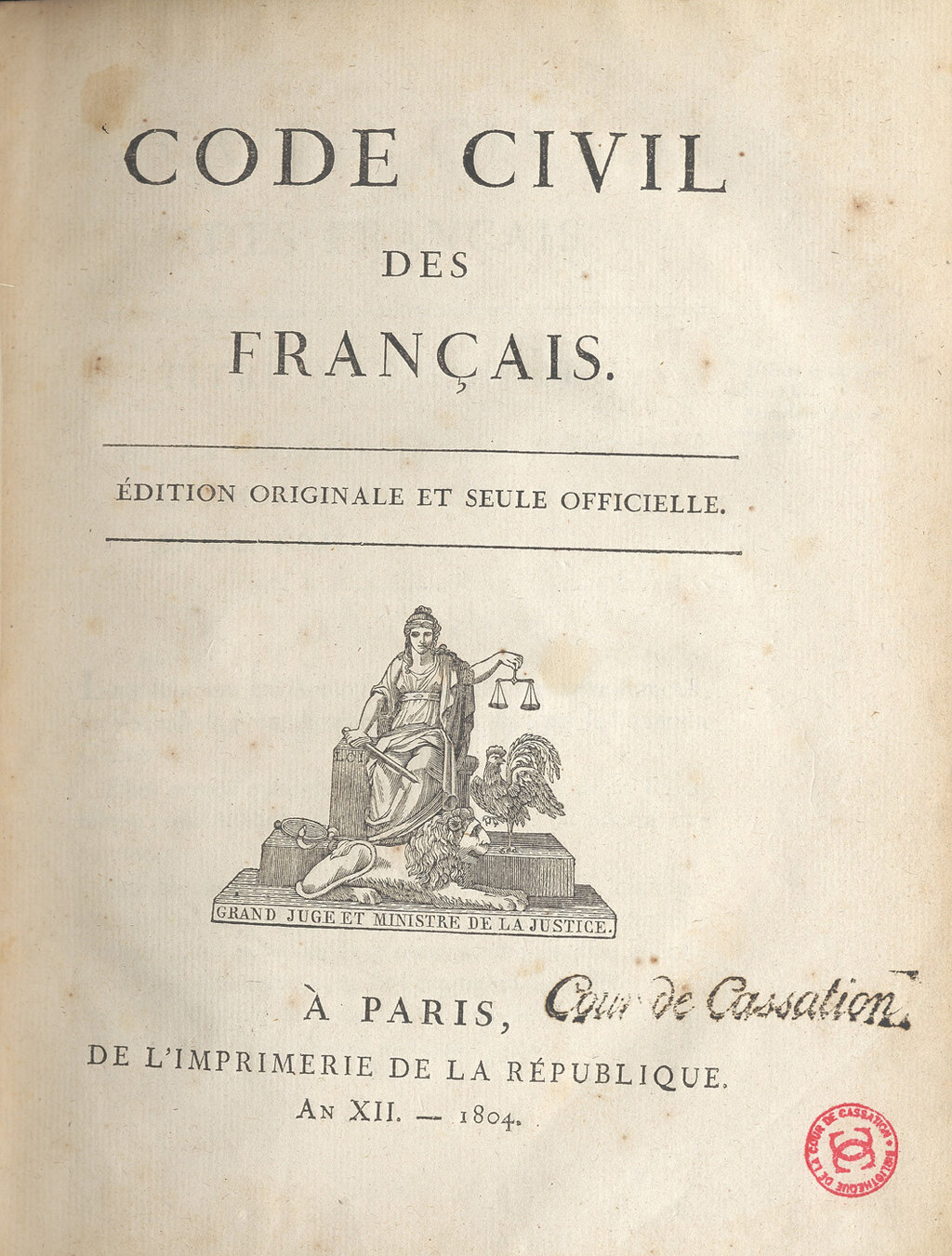
Each revision reflects changes in technology and society, always with the goal of improving safety and traffic flow.
How the Code Is Structured
The Code de la Route is a formal legal document, organized logically into several parts. It’s not just one book, but a collection of laws and regulations. The main structure is divided into a legislative part, which contains the core laws passed by the French Parliament, and a regulatory part, which contains decrees and orders that specify how the laws are applied.
| Part | Description | Example |
|---|---|---|
| Legislative (L) | General principles and laws passed by Parliament. | The law requiring a driver's license. |
| Regulatory (R) | Decrees specifying how laws are implemented. | The specific point system for traffic offenses. |
| Orders (Arrêtés) | Ministerial orders detailing technical rules. | The exact dimensions and colors of a stop sign. |
This structure allows the code to be both stable and flexible. The fundamental laws don't change often, but the specific regulations can be updated more easily to adapt to new circumstances.
Why It Matters
The primary importance of the Code de la Route is road safety. By creating a clear and uniform set of rules, it makes the behavior of other road users predictable. When everyone knows what to do at an intersection or on a roundabout, the risk of accidents decreases dramatically.
Beyond safety, the code ensures legal compliance. Breaking the rules has clear consequences, from fines (amendes) to points deducted from a driver's license. This system holds everyone accountable for their actions on the road.
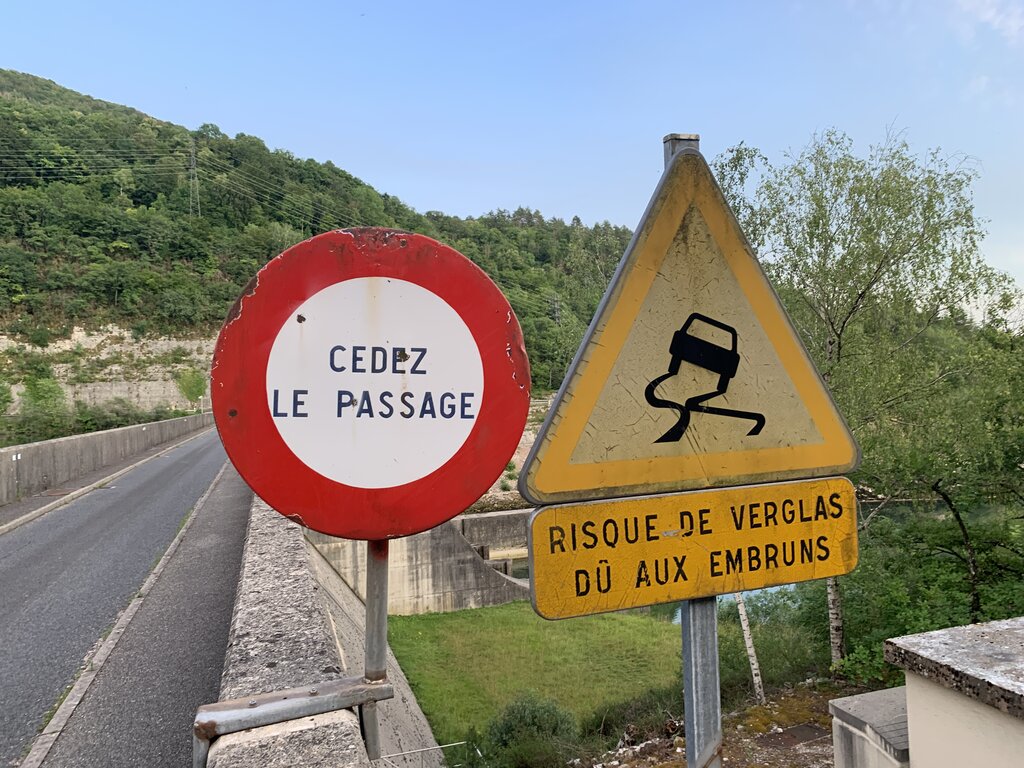
Ultimately, the code makes it possible for millions of people to share a limited amount of space safely and efficiently. It turns potential chaos into a functioning transportation network.
What is the primary purpose of the French Code de la Route?
The first national Code de la Route was established in 1921 to address the chaos caused by the rise of the automobile.
Now that you understand the foundation of French traffic law, you're ready to explore the specific rules of the road.