Freezing vs Solidification Explained
Phase Transitions
Changing States
Think about water. You can find it as solid ice, liquid water, or gaseous steam. These are the three common states, or phases, of matter. When a substance changes from one of these phases to another, it's called a phase transition.
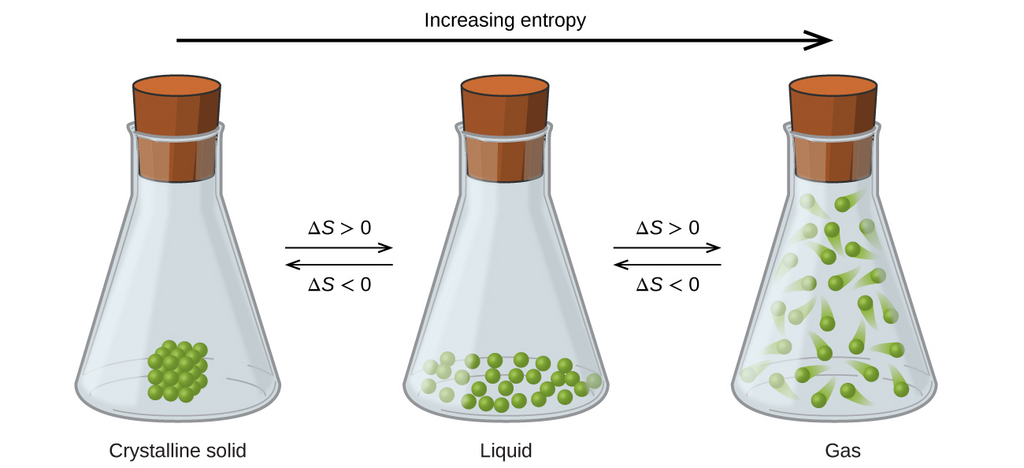
A phase transition is a physical change, not a chemical one. The molecules themselves don't change. An H₂O molecule is still an H₂O molecule whether it's in an ice cube or a cloud of steam. What changes is how these molecules are arranged and how they move.
The Six Transitions
There are six main ways a substance can transition between solid, liquid, and gas phases. They often come in pairs of opposites.
Here's a breakdown of each one:
| Transition | From → To | Description | Example |
|---|---|---|---|
| Melting | Solid → Liquid | A solid becomes a liquid when heated. | An ice cube turning into water. |
| Freezing | Liquid → Solid | A liquid becomes a solid when cooled. | Water turning into ice in a freezer. |
| Vaporization | Liquid → Gas | A liquid becomes a gas when heated. | Water boiling into steam. |
| Condensation | Gas → Liquid | A gas becomes a liquid when cooled. | Dew forming on grass overnight. |
| Sublimation | Solid → Gas | A solid turns directly into a gas. | Dry ice creating a smoky fog. |
| Deposition | Gas → Solid | A gas turns directly into a solid. | Frost forming on a cold window. |
Energy Makes It Happen
Phase transitions are all about energy, usually in the form of heat. To break the bonds that hold molecules together, you need to add energy. When molecules form bonds, they release energy.
Transitions that absorb energy: Melting, Vaporization, Sublimation. Transitions that release energy: Freezing, Condensation, Deposition.
Think about melting an ice cube. You put it in a warm room, and it absorbs heat from the air. This added energy makes the water molecules vibrate faster and faster until they break free from their rigid, icy structure and can slide past one another as a liquid.
The opposite happens when you freeze water. The freezer pulls heat out of the water. As the molecules lose energy, they slow down and lock into place, releasing their remaining excess energy as they form the solid structure of ice.
It is possible to:
transfer energy by heating without raising the temperature (at a phase change)
An interesting thing happens during a phase transition: the temperature of the substance stays constant, even though energy is being added or removed. If you put a thermometer in a pot of boiling water, it will read 100°C (212°F) and stay there until all the water has turned to steam. All the heat energy being added goes into breaking the bonds between liquid molecules to turn them into gas, not into raising the temperature.
This hidden energy is called latent heat. It's the energy absorbed or released by a substance during a phase change. Understanding how this energy transfer works is key to understanding processes like freezing and melting.
Ready to check your understanding?
When water boils and turns into steam, what happens to the H₂O molecules?
The formation of frost on a cold surface from water vapor in the air is an example of which phase transition?