Freemasonry and the American Foundation
Enlightenment Philosophy and Masonry
The Lodge as a Laboratory
In the 18th century, as the ideas of the Enlightenment swept across Europe and the Americas, they needed a place to take root. They found fertile ground in the Masonic lodge. This wasn't the world of stonemasons chipping away at cathedrals. This was the era of , a new kind of fraternity that used the tools and traditions of ancient builders as metaphors for moral and intellectual self-improvement.
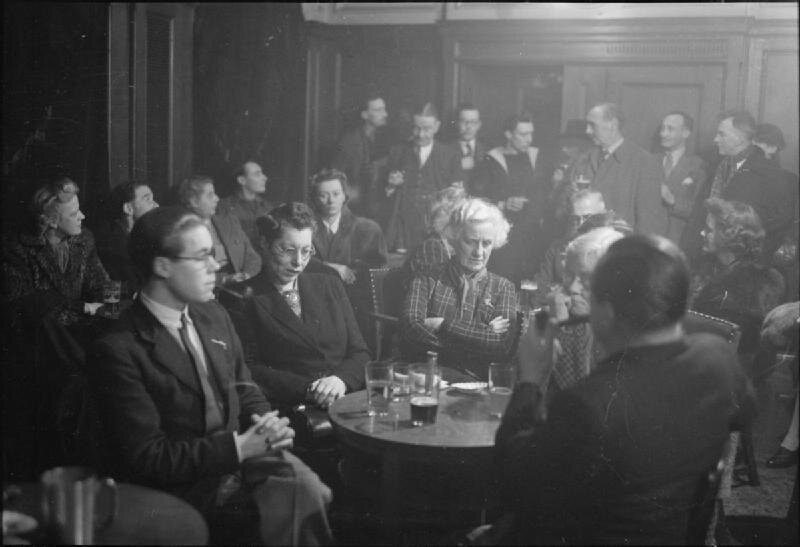
Lodges became unique social spaces. Inside, a merchant, a lawyer, and a military officer could meet as equals. Rank and title were left at the door. Merit, not birthright, was the measure of a man. This structure made the lodge a living experiment in Enlightenment ideals: a place to practice reason, tolerance, and self-governance in miniature before attempting it on the scale of a nation.
A Universal Blueprint
For a revolution to succeed, people from different backgrounds and beliefs need to find common ground. Masonry provided a non-sectarian framework that made this collaboration possible. Instead of tying itself to a specific church or creed, it required members to believe in a Supreme Being, often referred to as the 'Great Architect of the Universe.' This deistic concept was broad enough to include Anglicans, Deists, and Congregationalists, allowing men like George Washington, Benjamin Franklin, and Paul Revere to work together.
This principle was codified in a foundational document called of 1723. It explicitly stated that Masons were only obliged to the 'religion in which all men agree,' leaving their particular opinions to themselves. This was a radical idea in an age of intense religious conflict. It established a model for a pluralistic society where people of different faiths could unite under a shared set of moral principles derived from natural law—the idea that reason can uncover universal truths about right and wrong.
The Masonic lodge was a space where the social contract wasn't just a theory; it was a weekly practice.
From Ritual to Revolution
The philosophy of was the intellectual bedrock of the American Revolution, and his ideas found a receptive audience in Masonic lodges. Locke argued that governments are formed through a social contract to protect the natural rights of individuals—life, liberty, and property. He believed that if a government violates this contract, the people have the right to form a new one.
This philosophy was mirrored in the Masonic experience. Each lodge was a self-governing body, freely entered into by its members, who elected their own leaders and agreed to abide by a set of rules—their own constitution. The Masonic symbol of the 'level' represents equality, reinforcing the idea that all members stand on the same plane, regardless of their status in the outside world.
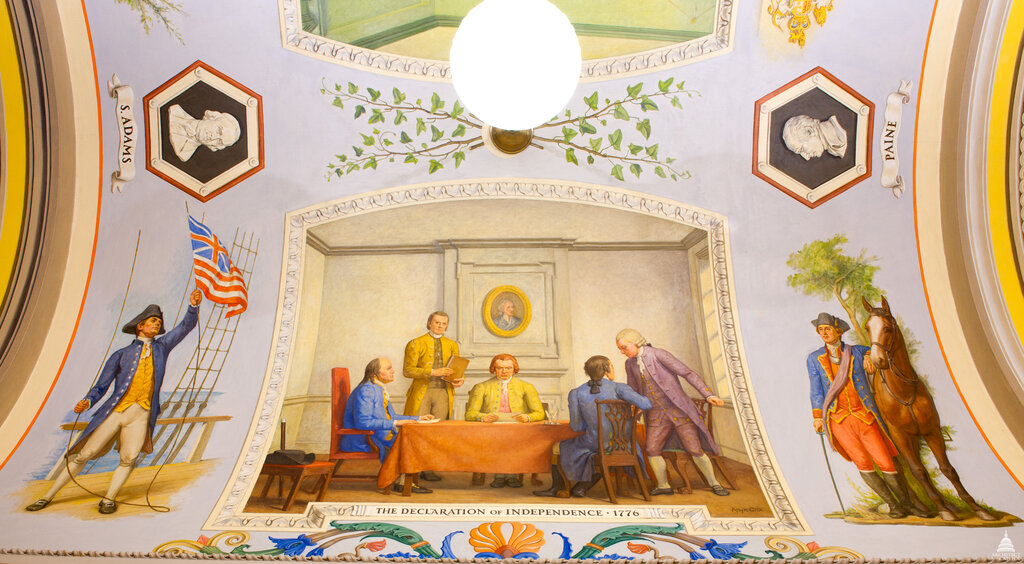
When it came time to build a new nation, these men weren't just working from abstract theories. They were drawing on years of practical experience in self-governance and meritocracy learned within the lodge. The principles that shaped their fraternal order became the blueprints for their democratic experiment.
Now, let's test your understanding of these philosophical connections.
What term describes the 18th-century form of Freemasonry that shifted from the literal craft of stone construction to a system of moral and intellectual self-improvement using symbolic tools?
How did Masonic lodges provide a practical model for a pluralistic society?
The link between Masonic principles and the ideals of the American Revolution shows how philosophical ideas can move from private clubs to public documents, shaping the course of history.