Freelance Contract Essentials
Understanding Freelance Contracts
The Handshake is Just the Start
Every freelance project begins with an agreement. But a friendly chat and a handshake aren't enough to build a professional relationship on. That's where a contract comes in. A freelance contract is simply a written agreement that outlines the details of a project. Its main job is to make sure everyone is on the same page before any work begins.
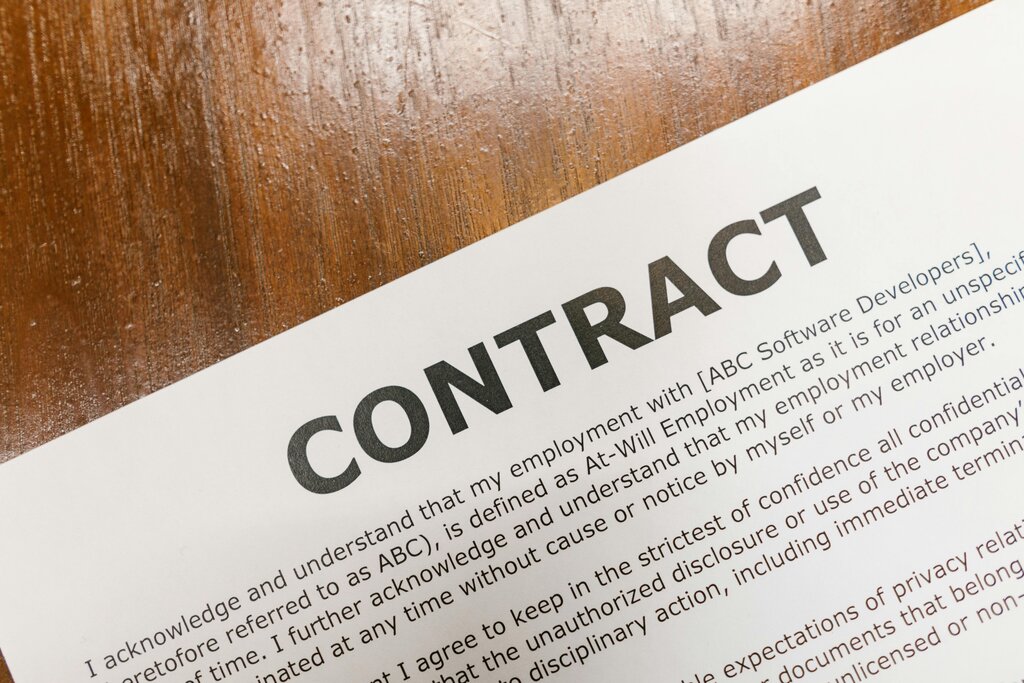
Think of it as the blueprint for your work. It defines what you'll do, what the client will provide, how you'll get paid, and what happens if things don't go as planned. Without this document, you're relying on memory and goodwill, which can easily lead to confusion and conflict.
Verbal agreements are a recipe for misunderstanding. Details get forgotten, expectations become mismatched, and disputes have no clear point of reference for resolution.
Anatomy of a Good Contract
A strong contract doesn't need to be filled with complicated legal jargon. It just needs to be clear. At its core, any good freelance agreement should cover a few essential areas to protect both you and your client.
| Component | Purpose |
|---|---|
| Scope of Work | Defines the exact tasks and services to be provided. |
| Deliverables & Timeline | Lists the final products and their due dates. |
| Payment Terms | Specifies the cost, payment schedule, and method. |
| Ownership | Clarifies who owns the final work product. |
| Dispute Resolution | Outlines the process for handling disagreements. |
Let's look at these more closely.
Scope of Work is arguably the most important section. It details exactly what you are being paid to do, and just as importantly, what is not included. This is your primary defense against "scope creep"—the slow expansion of a project beyond its original goals.
Deliverables and Timeline are the tangible outcomes of your work. This section lists what you will provide to the client (e.g., a logo design, 10 blog posts, a completed website) and the deadlines for each item. It makes progress easy to track.
Payment Terms eliminate any awkwardness around money. It should state your rate, the total project cost, when payments are due (e.g., 50% upfront, 50% on completion), how you'll invoice, and what happens if a payment is late.
A freelance contract solves these issues by laying out scope, payments, deadlines, revisions, ownership, and termination.
Why Written is Better
A written agreement carries legal weight. While verbal agreements can sometimes be legally binding, they are incredibly difficult to prove in a dispute. A signed document provides a clear record of what both parties agreed to. It's not about mistrust; it's about clarity and professionalism.
By putting everything in writing, you force a conversation about all the important details upfront. This process alone can prevent future disagreements by ensuring both you and the client have considered the project from all angles. It transforms a casual arrangement into a formal business partnership, which is exactly what a freelance project is.
Now, let's test your understanding of these core principles.
What is the primary function of a freelance contract?
The slow expansion of a project beyond its original goals is known as ____.
Having a solid contract in place is a fundamental step in running a successful freelance business. It protects your time, your money, and your professional relationships.