Freelance Contract Essentials
Understanding Freelance Contracts
The Job's Blueprint
A freelance contract is an agreement that outlines the details of a project between you and a client. Think of it less as a scary legal document and more as a shared roadmap. It ensures everyone is on the same page about what needs to be done, when it's due, and how payment will be handled.
Its main purpose is to create clarity. A good contract prevents misunderstandings before they start. It manages expectations and provides a clear point of reference if questions or disagreements pop up later.
A contract is one of the most significant safeguards for any freelance business, no matter how small the project may seem or how reliable the client has been in the past.
Even a simple project benefits from having the terms written down. It establishes a professional tone from the start and protects both you and your client.
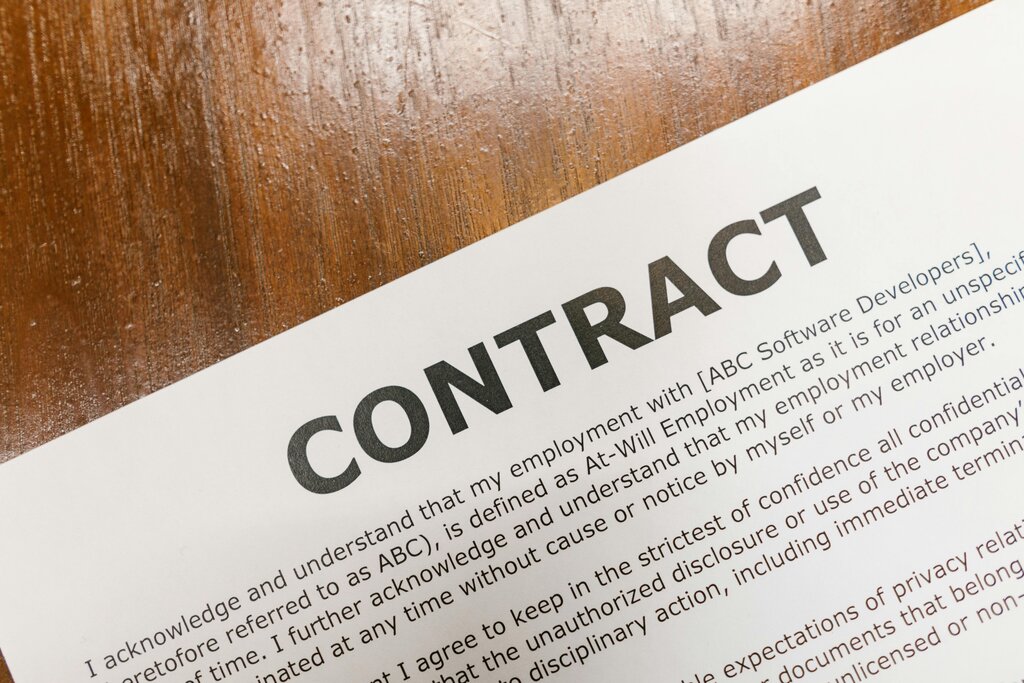
What Goes Inside
While contracts can vary, a few key components are almost always present. Getting these right is the foundation of a smooth project.
Scope of Work: This section details exactly what you will do. Be specific. Instead of "write a blog post," try "write one 1,500-word blog post on Topic X, including sourcing two royalty-free images." It's also smart to define what's not included, like "This scope includes two rounds of revisions. Additional revisions will be billed at an hourly rate."
Deliverables and Deadlines: These are the tangible outcomes and their due dates. What will you hand over to the client, and when? For a graphic designer, a deliverable might be "a final logo suite in .PNG, .JPG, and .SVG formats." For larger projects, break this down into smaller milestones, each with its own deadline. This keeps the project moving and makes progress easy to track.
| Milestone | Deliverable | Due Date |
|---|---|---|
| 1 | Initial concepts (3 options) | June 1st |
| 2 | Revised concept based on feedback | June 10th |
| 3 | Final logo files | June 15th |
Payment Terms: This part is critical. It defines your rate, the payment schedule, and how you’ll be paid. Will you charge a flat project fee, or by the hour? Common schedules include 50% upfront and 50% on completion, or net-30 (payment due 30 days after invoicing). Always specify the total cost and the method of payment, like bank transfer or a specific online payment service.
Many freelancers get burned by unclear payment schedules—never skip this section.
Dispute Resolution: This sounds intense, but it's really just a plan for what to do if you and the client disagree. It doesn't have to be complicated. It could be as simple as stating that both parties will first try to resolve issues through direct, good-faith discussion. This clause shows foresight and provides a calm, predetermined path for handling bumps in the road.
What is the primary purpose of a freelance contract?
A client hires you to write five blog posts. Which of the following is the best example of a "deliverable" to include in the contract?
A clear contract isn't about mistrust; it’s about building a strong, professional relationship from the very beginning. It frees you up to focus on what you do best: delivering great work.