Freelance Contract Essentials
Understanding Freelance Contracts
The Freelance Contract
Think of a freelance contract as a roadmap for a project. It’s a written agreement that lays out exactly what you and your client expect from each other. It’s not just about legal protection; it’s about creating clarity and trust from the very beginning. A good contract prevents misunderstandings, ensuring both you and your client are on the same page about the work, the timeline, and the payment.
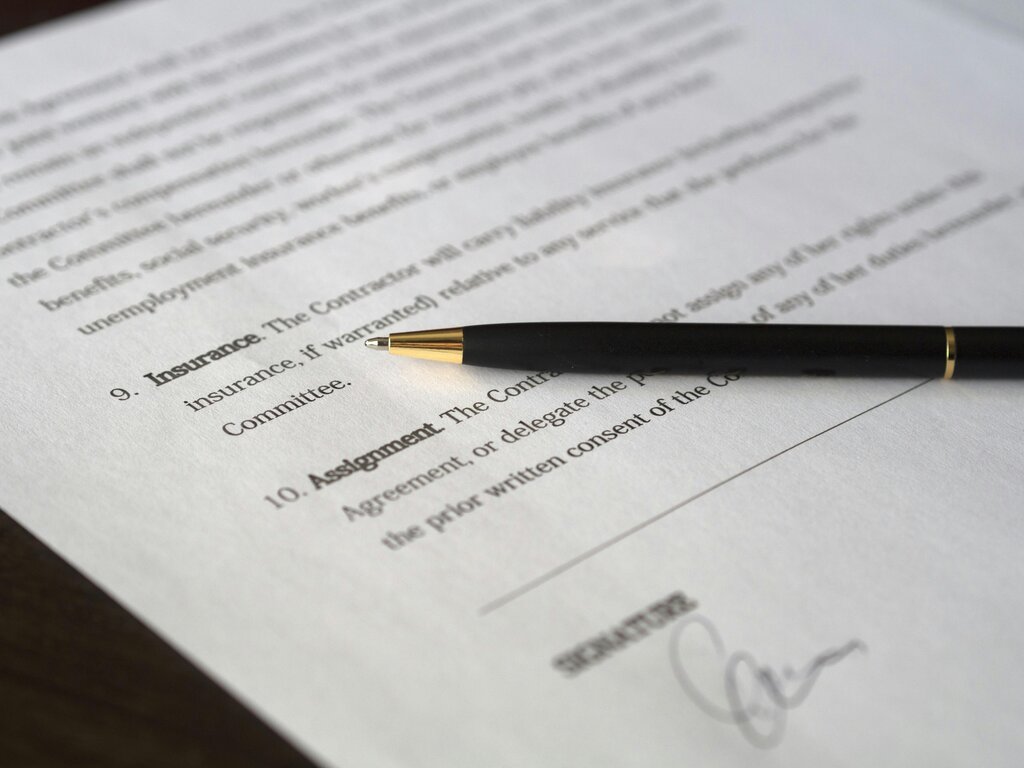
Without a clear agreement, assumptions can lead to conflict. The client might expect more work than you planned to deliver, or you might be left waiting for a payment that never seems to arrive. A contract removes the guesswork. Let’s break down the essential pieces that make a contract effective.
Key Components
While contracts can vary, three elements are non-negotiable: the project scope, payment terms, and what happens if payments are late.
A freelance contract solves these issues by laying out scope, payments, deadlines, revisions, ownership, and termination.
Project Scope This section defines the work. It should be specific, leaving no room for interpretation. What exactly will you deliver? A great project scope clearly outlines:
- Deliverables: The final products the client will receive. This could be a set of blog posts, a website design, or a completed software feature.
- Timeline: Key dates and deadlines for milestones and the final delivery. This keeps the project on track.
- Revisions: How many rounds of feedback or changes are included in the price. This protects you from endless edits, a common issue known as "scope creep."
A well-defined scope acts as a fence. It keeps the project contained, preventing it from expanding beyond what was originally agreed upon.
Payment Terms This is where you detail the money. Clear payment terms ensure you get paid correctly and on time. This section should specify:
- Total Cost: The full price for the project, or your hourly/daily rate.
- Payment Schedule: When payments are due. Will you require a deposit upfront? Will you bill at certain milestones, or upon completion? For larger projects, breaking the payment into smaller chunks (e.g., 50% upfront, 50% on completion) is a common practice.
- Payment Methods: How the client can pay you (e.g., bank transfer, online payment system).
Many freelancers get burned by unclear payment schedules—never skip this section.
Late Payment Penalties What happens if a client doesn't pay on time? It's an uncomfortable topic, but addressing it in the contract is crucial. A late payment clause outlines the consequences for overdue invoices. This might be a flat fee or a percentage of the outstanding amount added for each week or month the payment is late. This clause incentivizes timely payment and gives you a clear course of action if you need to chase an invoice.
Ready to test your understanding of these core concepts?
Beyond legal protection, what is the main purpose of a well-defined freelance contract?
Which part of the contract specifically helps prevent "scope creep," the problem of a project growing with endless edits and requests?
Having these three pillars in your freelance contract builds a strong foundation for any project.