Freelance Contract Essentials
Understanding Freelance Contracts
Why Contracts Matter
Think of a freelance contract as a roadmap for your project. It's not just a legal document filled with complicated jargon; it's a guide that you and your client agree on before the work begins. Its main purpose is to make sure everyone is on the same page, which prevents misunderstandings down the road.
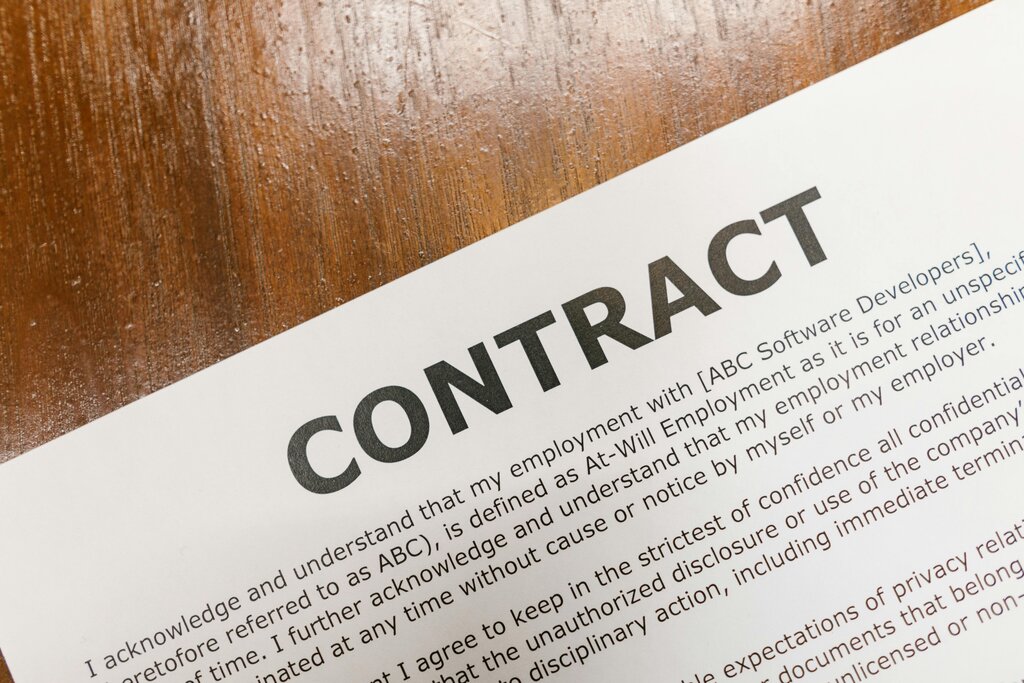
Without a contract, expectations can become blurry. The client might assume a task is included, while you consider it extra work. A good contract defines the relationship, outlines responsibilities, and provides a clear plan of action. It protects both you and the client by creating a shared understanding of the project.
A binding contract is essential if you want to safeguard your interests as a freelancer.
Anatomy of a Contract
While contracts can vary, nearly all of them are built on a few core components. Understanding these parts is key to creating a solid agreement.
Scope of Work
other
The specific tasks and services you will perform for the client. It sets the boundaries of the project.
A well-defined scope is your best defense against "scope creep"—that moment when a small project slowly expands with extra requests you didn't plan for. Be specific about what is included and, sometimes more importantly, what isn't.
Deliverables are the tangible outcomes of your work. If you're a graphic designer, a deliverable might be a logo file in PNG and SVG formats. If you're a writer, it could be a 1,000-word article in a Google Doc.
Payment terms are another critical piece. This section details how, when, and how much you will be paid. Will you charge an hourly rate or a flat project fee? Will you be paid at the beginning, at the end, or in milestones? It should also specify the payment method (e.g., bank transfer, online platform) and any penalties for late payments.
Making it Official
A freelance contract isn't just a friendly agreement; it's a legally enforceable document once both parties have signed it. This means that if one person doesn't hold up their end of the deal, the other has legal recourse. For instance, if a client refuses to pay after you've delivered the agreed-upon work, the contract is your proof of the terms you both accepted.
An agreement doesn't always need to be drafted by a lawyer to be binding, especially for straightforward projects. A clear document that includes the core components, signed by both you and the client (even digitally), can provide a strong legal foundation for your work together. It transforms a handshake deal into a professional commitment.
Now, let's test your understanding of these fundamental concepts.
What is the primary purpose of a freelance contract?
The slow expansion of a project with extra requests that weren't originally planned is known as _______.
With these basics in mind, you're better equipped to create clear, professional agreements that protect your freelance business and build trust with clients.