Freelance Contract Essentials
Understanding Freelance Contracts
The Freelancer's Safety Net
Think of a freelance contract as a roadmap for a project. It’s a formal agreement that clearly lays out the expectations for both you and your client. Its main purpose is simple: to make sure everyone is on the same page before any work begins. This document defines the relationship, outlines the work, and specifies how you'll get paid.
A contract is one of the most significant safeguards for any freelance business, no matter how small the project may seem or how reliable the client has been in the past.
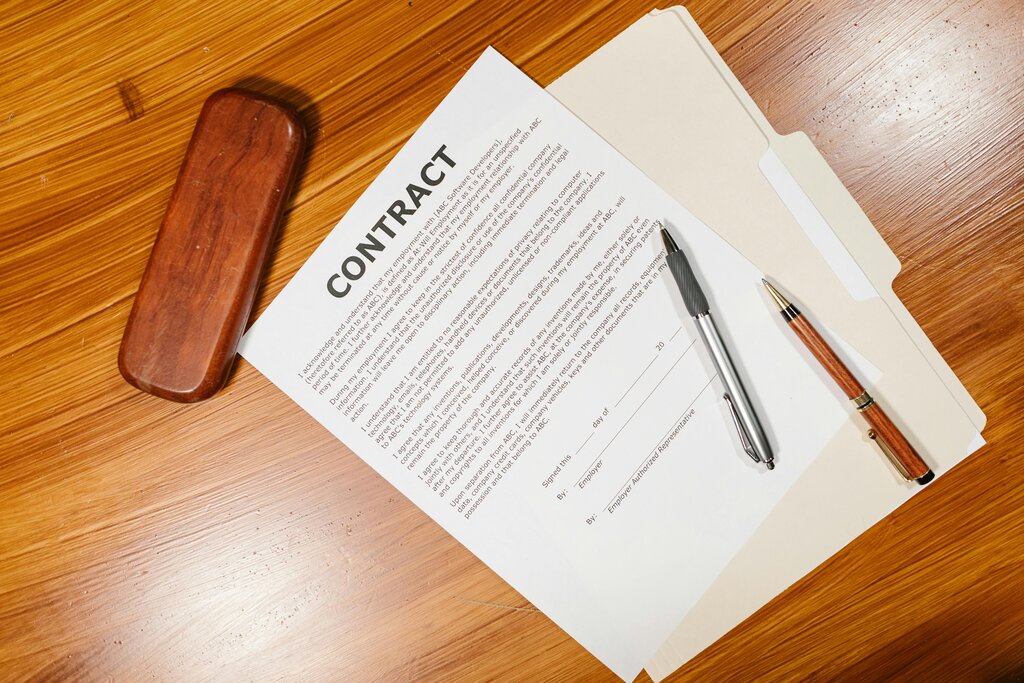
A handshake or a verbal agreement might feel friendly, but it leaves too much room for misunderstandings. A written contract is your professional safety net. It protects your time, your money, and your relationship with the client by creating a single source of truth for the project.
Anatomy of a Contract
While contracts can vary, nearly all solid freelance agreements contain a few core components. Understanding these parts is the first step to protecting your business.
- Project Scope: This section details exactly what work you will and will not do. Being specific here is key to preventing "scope creep," which is when a project slowly expands beyond its original goals. For example, if you're hired to design a logo, the scope should clarify if that includes variations, a brand style guide, or just the primary logo file.
- Deliverables: These are the tangible outcomes you will provide to the client. If the scope is the work, the deliverables are the results. For a logo designer, the deliverables might be one PNG file, one JPEG file, and one vector file of the final design. For a writer, it could be three 1,000-word blog posts in a Google Doc.
- Payment Terms: This part answers all the money questions: How much will the client pay? When will they pay? How will they pay? It should outline the total fee, the payment schedule (like 50% upfront and 50% on completion), accepted payment methods (like bank transfer or PayPal), and the due dates for each payment.
Many freelancers get burned by unclear payment schedules—never skip this section.
The Benefits of a Good Agreement
Putting a contract in place from the start does more than just protect you legally. It sets a professional tone for the entire project. It shows your client that you are organized, serious about your work, and committed to clear communication.
A well-structured contract minimizes confusion. When the scope, deliverables, and payment schedule are all written down and agreed upon, there's less chance of a dispute later on. Both you and the client can refer back to the contract at any time to clarify responsibilities and deadlines.
Ultimately, a contract builds trust. It ensures both parties feel secure, allowing you to focus on what you do best: delivering great work.
Now, let's review what you've learned about the essentials of a freelance contract.
What is the main purpose of a freelance contract?
A written contract is often referred to as a professional 'safety net' because it protects your time, money, and relationship with the client.