Freelance Contract Essentials
Understanding Freelance Contracts
Your Freelance Safety Net
Think of a freelance contract not as a stuffy legal document, but as a clear roadmap for your project. It’s a written agreement that lays out the plan, ensuring you and your client are on the same page from the very beginning. Its main purpose is to prevent misunderstandings by setting clear expectations for everyone involved.
A freelance contract is the foundation of a successful client relationship.
Handshakes and verbal agreements are nice, but they can be fuzzy. A written contract provides clarity and security. For the freelancer, it guarantees you’ll be paid for your work. For the client, it ensures they will get what they paid for. It’s a simple tool that builds trust and professionalism, protecting both parties and creating a smooth working relationship.
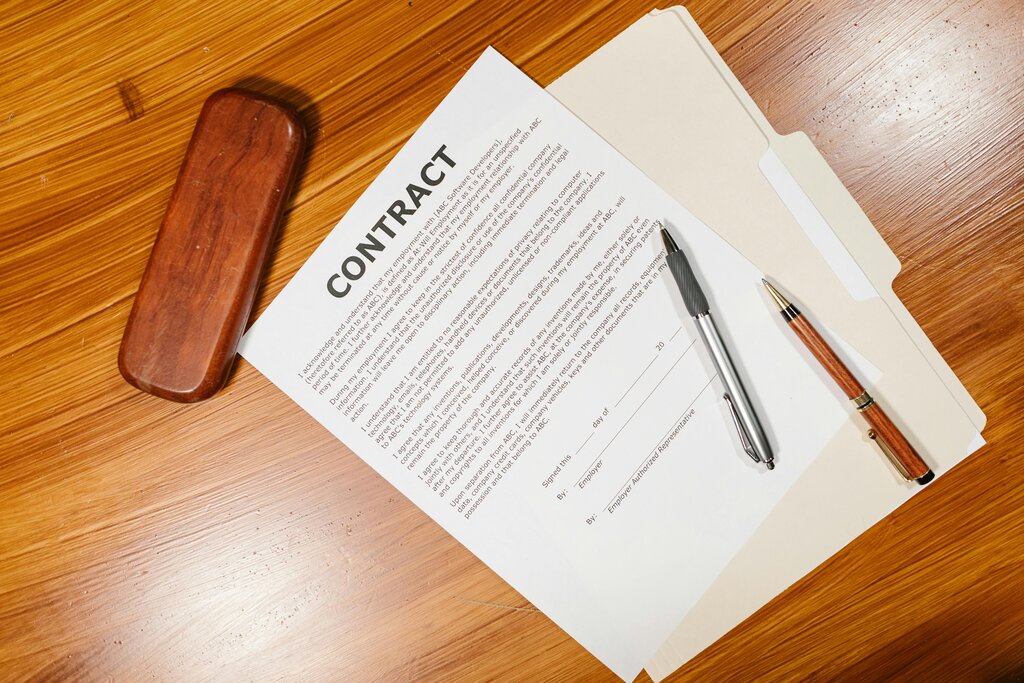
What Goes in a Contract?
While contracts can vary, a few key components are essential for almost any freelance project. Getting these right will save you a lot of headaches later on.
Scope of Work: This section details exactly what you will and will not do. Be specific. If you’re a writer, does the scope include one round of revisions or three? If you’re a designer, are you creating a logo or a full brand identity package? A clear scope prevents “scope creep,” which is when a project slowly expands beyond the original agreement.
A well-defined scope protects you from doing unpaid work and ensures the client knows exactly what to expect.
Deliverables: These are the tangible outputs the client will receive. Deliverables are the proof that you’ve completed the work. For a web developer, a deliverable might be a functioning website. For a photographer, it might be 50 edited digital images. List them out clearly.
| Role | Example Deliverable |
|---|---|
| Graphic Designer | Logo files in PNG & SVG formats |
| Writer | A 1,200-word blog post in a Google Doc |
| Consultant | A 10-page market analysis PDF report |
Payment Terms: This is where you outline how you’ll get paid. It should answer:
- How much? State the total project fee or your hourly rate.
- When? Will you be paid upfront, at project milestones, or upon completion? A common practice is 50% upfront and 50% on completion.
- How? Specify the payment method (e.g., bank transfer, online payment system).
Being direct about payment terms avoids awkward conversations and ensures you are compensated for your work on time.
Timelines: Deadlines keep a project moving forward. Your contract should include a timeline with key dates. This includes the final delivery date, but it can also include dates for milestones, drafts, and client feedback. A timeline manages expectations and helps both you and the client plan your schedules accordingly.
Ready to check your understanding?
What is the primary purpose of a freelance contract?
The gradual expansion of a project beyond its original agreement is known as __________.
Putting these elements into a simple, written agreement elevates your freelance business. It shows clients you're a professional and gives you the confidence and security to do your best work.