Freelance Contract Essentials
Understanding Freelance Contracts
What's a Freelance Contract?
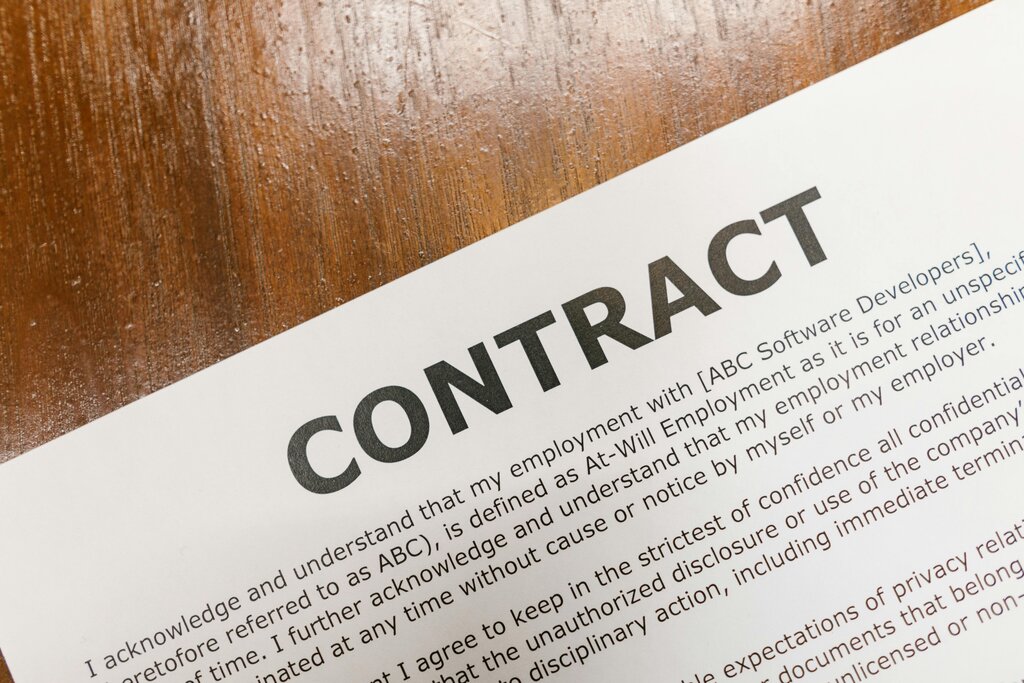
A freelance contract isn't just a legal formality. It's a roadmap for your project. Think of it as a blueprint for a house: it details what will be built, how it will be done, and when it will be finished. This document ensures you and your client agree on the project's goals from the start.
Its main purpose is to protect both you and your client. By clearly defining expectations, a contract minimizes misunderstandings and provides a clear path forward if disagreements arise. It transforms a handshake agreement into a professional commitment.
A freelance contract is the foundation of a successful client relationship.
The Core Components
While contracts can seem complex, most are built around a few essential elements. Understanding these will help you review any agreement with confidence. Let's break down the four key pillars of a strong freelance contract.
Scope of Work This section defines exactly what you are being hired to do. Vague descriptions like "social media help" are recipes for disaster. A good scope is specific. For example, instead of "design a website," it might say, "design a five-page responsive website including a homepage, about page, contact page, services page, and blog." This clarity prevents scope creep, which happens when a project slowly grows beyond its original boundaries without any change in payment.
A detailed scope of work is your best defense against doing unpaid work. It clearly states where the project begins and ends.
Deliverables Deliverables are the tangible things you will hand over to the client. They are the proof that you've completed the work. If you're a writer, a deliverable is the finished article. For a graphic designer, it could be the logo files in specific formats (like PNG, SVG, and EPS). Clearly listing each deliverable helps the client know exactly what they will receive.
Timelines The timeline sets the deadlines for the project. It should include the final due date, but it's also wise to include milestones for larger projects. Milestones are mini-deadlines for specific parts of the project. For instance, a web designer's timeline might include dates for the initial wireframe, a first design draft, and the final site launch. This keeps the project on track and ensures everyone is making steady progress.
Payment Terms This section outlines how much, when, and how you'll be paid. It should state the total project fee or your hourly rate. It also needs to specify the payment schedule. Will you be paid 50% upfront and 50% on completion? Or will you invoice monthly? It should also mention the payment methods you accept (e.g., bank transfer, Stripe) and the deadline for payment after an invoice is sent (e.g., net 15 or net 30 days).
Many freelancers get burned by unclear payment schedules—never skip this section.
Avoiding Common Mistakes
Even with all the key components in place, a few common pitfalls can trip up freelancers. Being aware of them can save you a lot of trouble.
| Common Mistake | How to Avoid It |
|---|---|
| Being too vague | Be hyper-specific. Instead of "logo design," write "three initial logo concepts with two rounds of revisions on the chosen concept." |
| Not getting it in writing | Never start work based on a verbal agreement. A simple email summarizing the terms is better than nothing, but a signed contract is always best. |
| Forgetting to plan for changes | Projects evolve. Include a clause that explains how changes to the scope of work will be handled, usually with a new price and timeline agreed upon in writing. |
| Not discussing ownership | Specify who owns the final work. Typically, the client owns the finished product after final payment, but you may want to retain the right to use it in your portfolio. |
Clear communication is the thread that ties all these elements together. A contract is a communication tool first and a legal document second. It's the result of a conversation where you and your client align on what a successful project looks like.
What is the primary purpose of a freelance contract?
A well-defined 'Scope of Work' section is most effective at preventing which common freelancing issue?
A solid contract is your first step toward building a sustainable and professional freelance career. It establishes trust, clarifies expectations, and lets you focus on what you do best: creating great work.