Freelance Contract Essentials
Understanding Freelance Contracts
The Foundation of Freelancing
Think of a freelance contract as the blueprint for a project. It’s a formal agreement between you (the freelancer) and your client that outlines the work to be done, the payment terms, and the expectations for both sides. Its main purpose is to prevent misunderstandings.
Without a contract, you're relying on memory and goodwill. That can work for small, simple tasks, but for most projects, it's a recipe for confusion, frustration, and even unpaid invoices. A clear, written agreement ensures everyone is on the same page from the start.
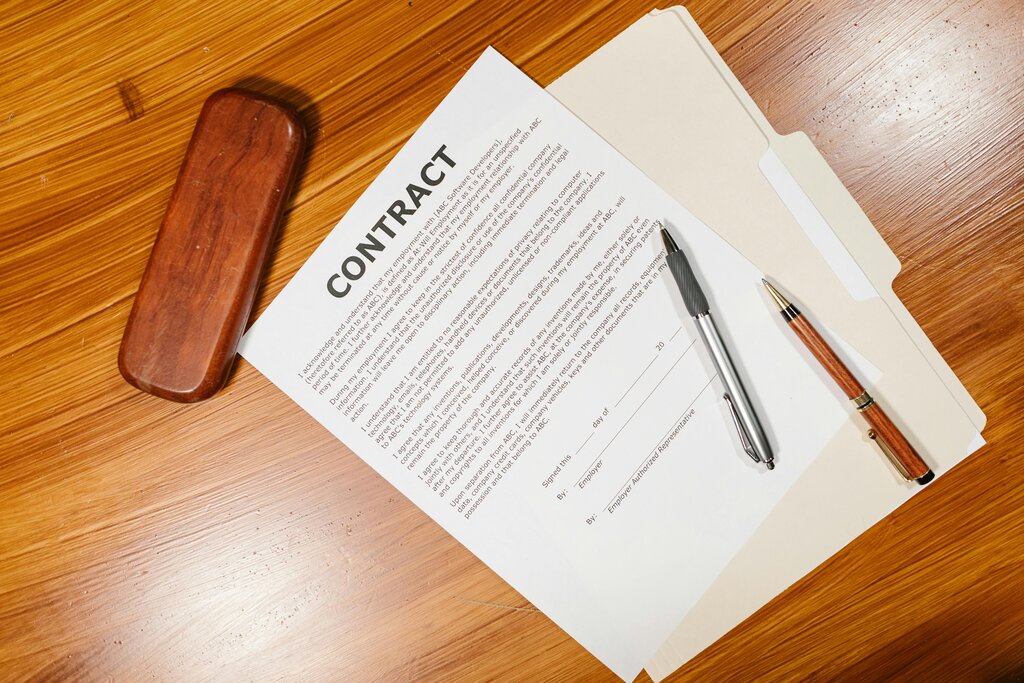
This document protects both you and your client. The client knows exactly what they’re getting and when. You know exactly what you need to deliver and how you’ll be compensated. It transforms a casual handshake into a professional partnership.
Key Parts of a Contract
While contracts can vary, most successful freelance agreements contain a few core components. Understanding these parts is the first step to creating an effective document that secures your work and ensures you get paid.
A well-drafted contract protects both freelancers and clients by outlining the terms, scope, and expectations of a project.
Let's break down the essential building blocks.
| Element | Purpose |
|---|---|
| Scope of Work | Details exactly what services you will provide and, just as importantly, what is not included. |
| Deliverables | Lists the specific, tangible outputs the client will receive, like a report, a logo design, or lines of code. |
| Payment Terms | Outlines the total fee, payment schedule (e.g., 50% upfront), and accepted payment methods. |
| Timeline | Sets key dates and deadlines for milestones and the final deliverable. |
| Dispute Resolution | Briefly explains the process for handling disagreements if they arise. |
Each of these sections works together to create a comprehensive guide for the project. A well-defined scope prevents
A well-defined scope prevents "scope creep"—when a project slowly expands beyond its original goals, forcing you to do extra work for free.
Clear deliverables and deadlines keep the project on track, while solid payment terms ensure you’re compensated fairly for your time and expertise. Finally, a clause on handling disputes provides a professional path forward if things don’t go as planned.
Now, let's test your understanding of these core concepts.
What is the main purpose of a freelance contract?
Working without a contract means you are primarily relying on __________ and __________.
Getting comfortable with these elements is the first step toward building a secure and successful freelance career.