Freelance Contract Essentials
Understanding Freelance Contracts
Your Project's Blueprint
Think of a freelance contract as the blueprint for a construction project. You wouldn't build a house without one, and you shouldn't start a freelance project without a contract. It's a formal agreement that lays out the expectations, responsibilities, and rules of engagement for both you and your client. This document isn't just about legal protection; it's a communication tool that ensures everyone is on the same page from day one.
A freelance contract is the foundation of a successful client relationship.
A good contract prevents misunderstandings before they happen. It clearly defines the work to be done, how and when you'll be paid, and what happens if things don't go as planned. It turns a casual conversation into a professional partnership.
Anatomy of a Strong Contract
While contracts can seem intimidating, most are built around a few core components. The most critical is the Scope of Work. This section details exactly what you will and will not do. Being vague here is a recipe for disaster, leading to endless revisions and unpaid extra work, often called "scope creep."
Be specific. Instead of "write a blog post," try "write one 1,200-word blog post on the topic of sustainable gardening, including two rounds of revisions and sourcing three royalty-free images."
Next up are the Payment Terms. This part specifies your rate, the total project cost, and the payment schedule. Will you be paid 50% upfront and 50% on completion? Will you bill hourly at the end of each month? This section should also outline the payment method (e.g., bank transfer, online platform) and any late fee policies. Clarity here ensures you get paid on time for your hard work.
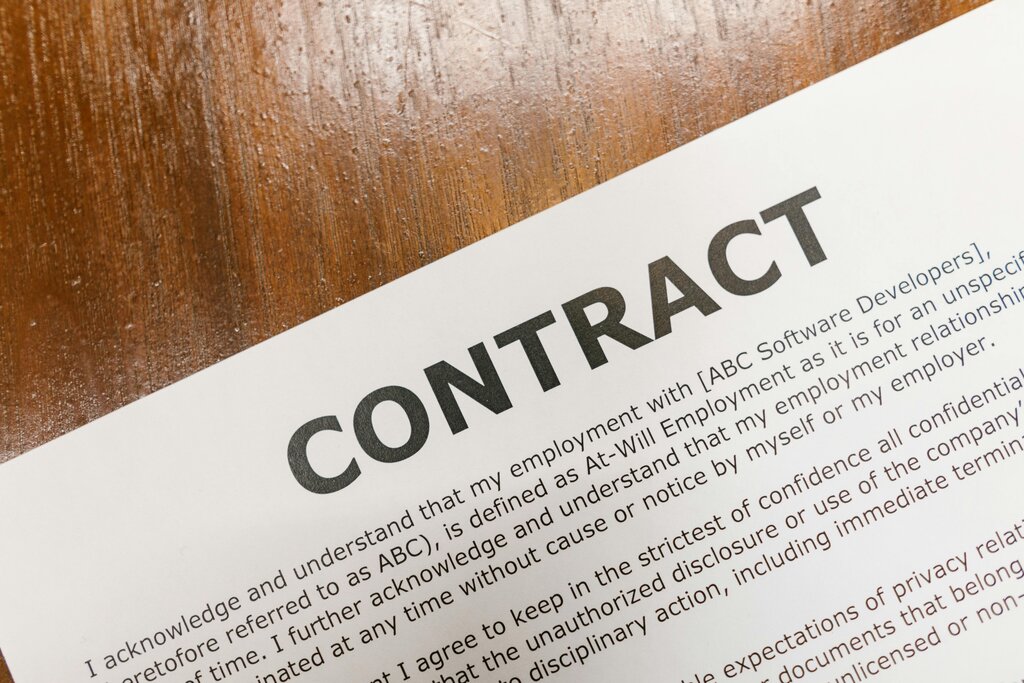
Timelines and Deliverables are also essential. This sets clear deadlines for milestones and the final project delivery. It should also specify when the client needs to provide feedback to keep the project moving. This creates a shared sense of responsibility and helps manage expectations on both sides.
Finally, a good contract will cover ownership. Typically, the client owns the final work once they have paid for it in full, but you might retain the right to use it in your portfolio. It's also wise to include a clause on how to handle project changes or cancellations.
More Than Just a Safety Net
Presenting a client with a contract does more than just protect you. It signals that you are a serious professional who values clarity and structure. It builds trust and sets a positive tone for the entire working relationship.
When disagreements arise, the contract serves as a neutral guide. Instead of relying on memory or email chains, both you and the client can refer back to the agreed-upon terms to resolve the issue. It's a roadmap for navigating bumps in the road, ensuring the project stays on track and the relationship remains positive.
Having a contract between you and the client can reduce future misunderstandings about payment terms, delivery deadlines, revisions, and who owns the rights to the completed work.
Let's review the key ideas we've covered.
Now, check your understanding of these core concepts.
What is the primary function of a freelance contract beyond legal protection?
A client keeps asking for additional work that wasn't discussed initially. This is often called 'scope creep'. Which section of the contract is most important for preventing this issue?
By understanding and using contracts, you're not just protecting yourself; you're setting the stage for successful projects and strong, lasting client relationships.