Freelance Contract Essentials
Understanding Freelance Contracts
The Foundation of Freelancing
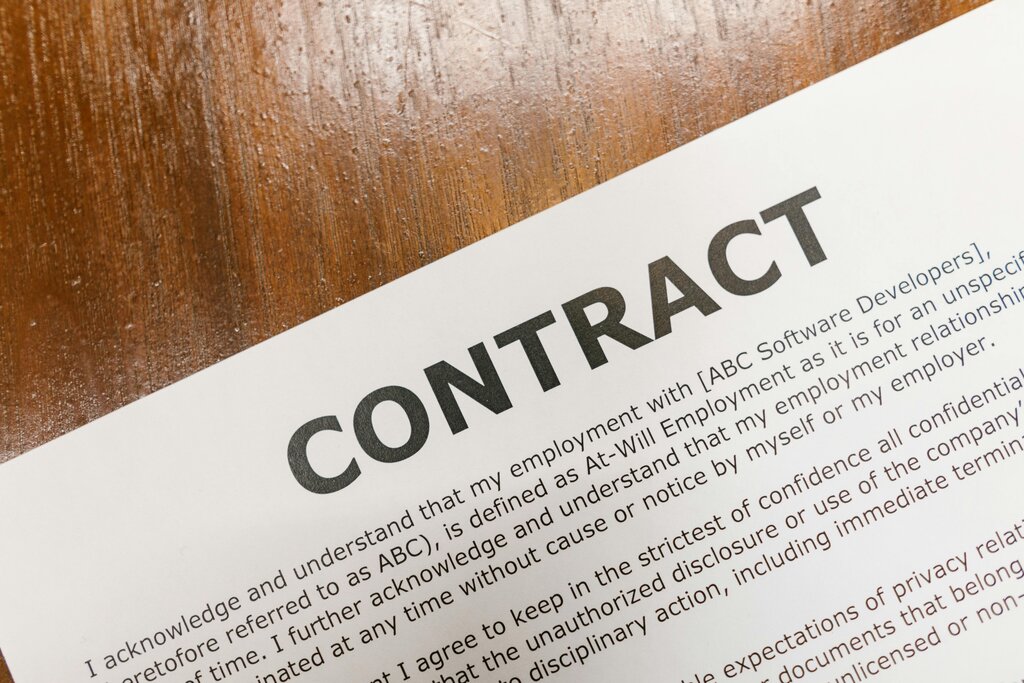
A freelance contract is a legally binding agreement between a freelancer and a client. Think of it as the blueprint for your project. It lays out all the important details of the work you'll do together, making sure everyone is on the same page from the start. Its main purpose is to create clarity and prevent future headaches.
A freelance contract is the foundation of a successful client relationship.
Without a contract, you're relying on memory and goodwill. That can work for a while, but it’s risky. Misunderstandings about deadlines, payments, or what’s included in the project can easily sour a good working relationship. A contract protects both you and your client by providing a single source of truth for your agreement.
Key Parts of a Contract
While contracts can seem intimidating, they’re usually built from a few simple, essential parts. Let’s walk through the core components you’ll find in almost every freelance agreement.
First, the contract must clearly identify the Parties Involved. This sounds obvious, but it’s a critical legal detail. It should list the full legal names and addresses of both the freelancer (or their business) and the client. This ensures there's no confusion about who the agreement is between.
Next is the Scope of Work, which might be the most important section. This is where you get specific about the project. It describes exactly what the freelancer will deliver and when.
Vague descriptions lead to problems. For example, instead of saying "create a logo," a good scope of work would say "design three initial logo concepts, allow for two rounds of revisions on the chosen concept, and deliver the final logo in PNG and vector formats." It should also state what isn't included, which helps manage expectations and prevent scope creep, where a project slowly grows bigger than originally planned.
Detail the scope of work included in the freelance project within the contract.
Payment Terms are another crucial element. This section outlines how the freelancer will be paid. It should clearly state the total cost of the project or the hourly rate. It also needs to include:
- Payment Schedule: Will the client pay 50% upfront? Will payments be tied to project milestones? Is it a single payment upon completion?
- Invoice Due Dates: How long does the client have to pay an invoice (e.g., 15 or 30 days)?
- Late Fees: What happens if a payment is late?
Clear payment terms ensure you get paid on time and avoid awkward conversations about money later on.
Finally, the contract should address Intellectual Property Rights. This section clarifies who owns the final work. Typically, the client owns the finished product once they've paid for it in full. However, the freelancer might retain the right to show the work in their portfolio. Defining ownership from the start prevents any legal disputes over who can use the work and how.
What is the primary purpose of a freelance contract?
When a project's requirements gradually expand beyond the original agreement, this is known as ______.
These components form the backbone of a solid freelance contract. By getting them in writing, you establish a professional relationship built on clarity and mutual respect.