Free TCF Canada Test Preparation
Understanding TCF Canada
What Is TCF Canada?
If you're planning to immigrate to Canada or apply for citizenship, you'll need to prove you can communicate in either English or French. The TCF Canada is one of the official tests recognized by Immigration, Refugees and Citizenship Canada (IRCC) to assess your French language skills.
The full name is Test de Connaissance du Français, which translates to "Test of Knowledge of French." It's designed specifically for Canadian immigration procedures. The test evaluates how well you can use French in real-life situations, which is crucial for integrating into Canadian society, particularly in French-speaking communities.
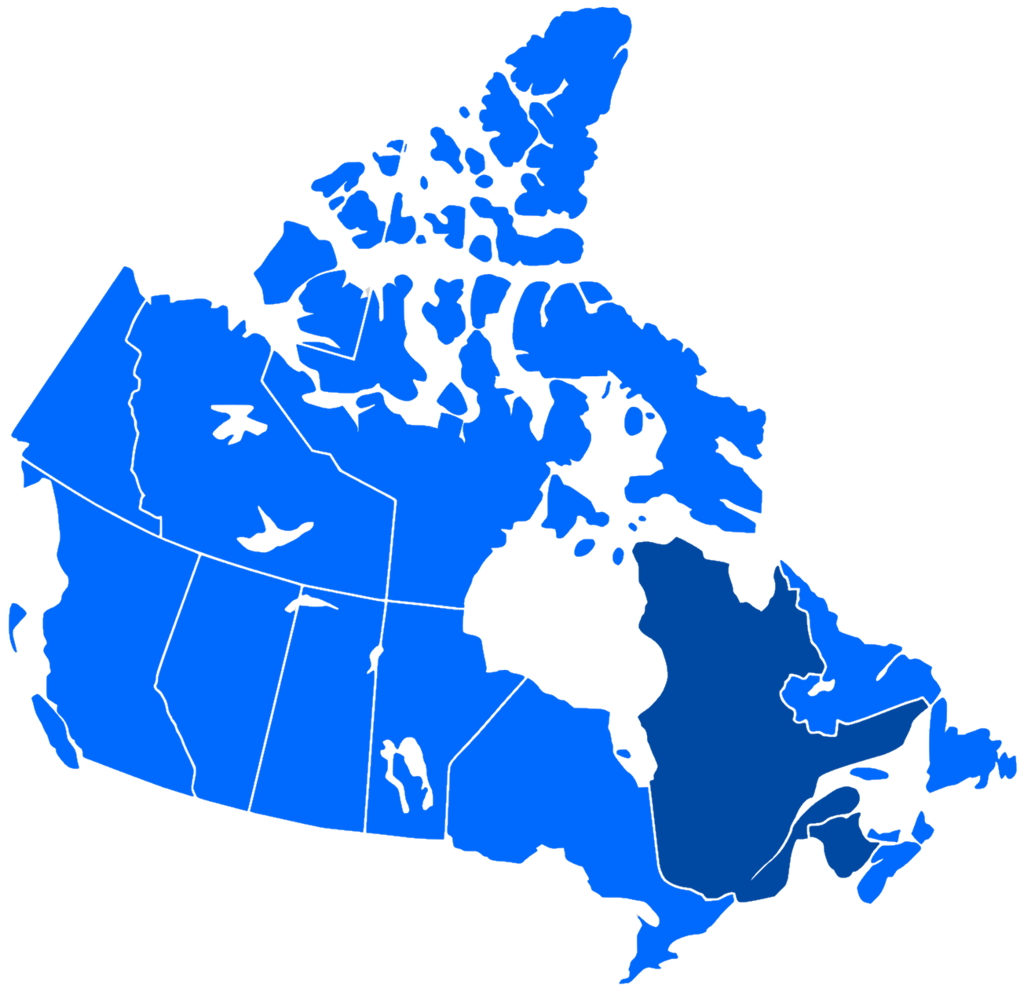
Think of the TCF Canada as a snapshot of your current French abilities. It shows the Canadian government your proficiency level at the time you take the test.
The Test Structure
The TCF Canada consists of four mandatory parts, each testing a different language skill. The first two sections use a multiple-choice format, while the last two require you to produce your own written and spoken responses.
| Skill | French Name | Duration | Format |
|---|---|---|---|
| Listening | Compréhension orale | 35 minutes | 39 multiple-choice questions |
| Reading | Compréhension écrite | 60 minutes | 39 multiple-choice questions |
| Writing | Expression écrite | 60 minutes | 3 writing tasks |
| Speaking | Expression orale | 12 minutes | 3 speaking tasks |
Here’s a quick look at what each section involves:
- Listening: You'll hear audio clips of conversations, announcements, and media broadcasts. Your task is to understand the main ideas and specific details.
- Reading: This section tests your ability to comprehend various written materials, from short notices to complex articles.
- Writing: You will be asked to complete three different writing tasks that increase in difficulty. This could range from writing a short, simple message to crafting a well-reasoned argument.
- Speaking: This is a one-on-one interview with an examiner. You'll be asked to introduce yourself, interact on a given topic, and present a point of view.
Understanding Your Score
The TCF Canada doesn't have a simple pass or fail mark. Instead, you receive a score for each of the four skills. This score is then mapped to a standardized international scale called the Common European Framework of Reference for Languages, or CEFR.
CEFR
noun
The Common European Framework of Reference for Languages. It's an international standard for describing language ability on a six-point scale, from A1 for beginners to C2 for those who have mastered a language.
These levels are grouped into three broad categories: Basic User (A1, A2), Independent User (B1, B2), and Proficient User (C1, C2). Your official results certificate will show both your score and your corresponding CEFR level for each skill.
For immigration purposes, IRCC requires a minimum level on the Canadian Language Benchmarks (CLB), which corresponds directly to CEFR levels. It's important to check the specific requirements for your immigration program.
Knowing how the TCF Canada is structured and scored is the first step in your preparation. It helps you understand what to expect on test day and what your results will mean for your Canadian journey.