Free Generative AI for Presentations
Introduction to Generative AI
What Is Generative AI?
Generative AI is a type of artificial intelligence that creates new, original content. Unlike other forms of AI that might analyze data or recognize patterns, generative AI produces something that didn't exist before. Think of a musician who listens to thousands of songs. They don't just memorize the music; they learn the underlying patterns of melody, harmony, and rhythm. Eventually, they can compose a brand-new song that is uniquely their own, yet still sounds like music. Generative AI works in a similar way, but its 'inspiration' is massive amounts of digital data.
Generative AI refers to a type of artificial intelligence whose core function is to create new content—text, audio, images, video, or data—based on patterns it has learned from existing data.
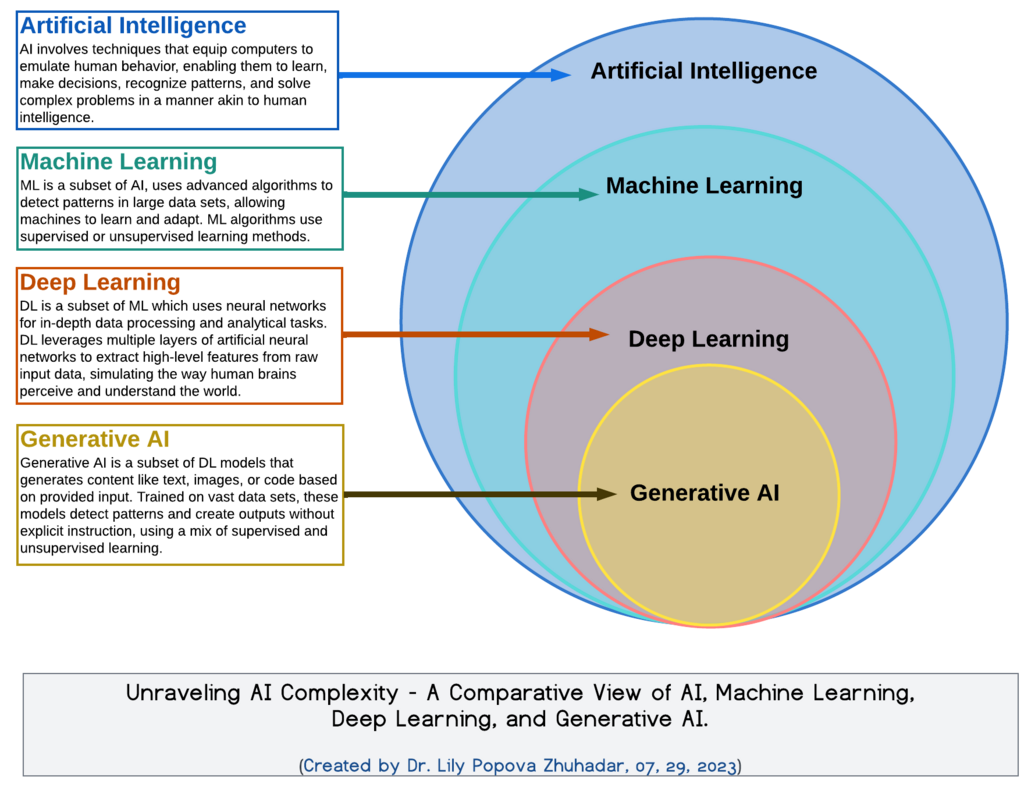
The term 'AI' is quite broad. Generative AI is a specialized area within it, sitting alongside other concepts like machine learning and deep learning. These fields are nested within each other, each representing a more specific application of the last.
Learning From a World of Data
So, how does an AI learn to create? The process starts with a 'model' and a massive amount of training data. This data could be billions of sentences from the internet, a library of images, or countless hours of music. During training, the model is repeatedly shown this data and learns to identify the patterns, structures, and relationships within it. It's not memorizing the information, but rather internalizing the 'rules' that govern it. For text, it learns grammar, style, and facts. For images, it learns about objects, textures, and how light and shadow work. Once trained, the model can use this understanding to generate new content from a simple request, called a prompt.
A Universe of New Content
The applications for this technology are vast and growing every day. Generative AI is a versatile tool that can act as a creative partner in many different fields. It can draft an email, write a poem, or debug a piece of code. It can design a logo, create realistic-looking photographs of places that don't exist, or even compose a piece of music. In this course, we'll focus on how it can help build compelling presentations, from structuring the narrative to generating visuals.
| Content Type | Example Applications |
|---|---|
| Text | Writing emails, summarizing articles, creating stories, generating code |
| Images | Creating artwork, designing logos, editing photos, generating realistic scenes |
| Audio | Composing music, creating sound effects, generating realistic speech |
| Video | Producing short clips, creating special effects, generating animated characters |
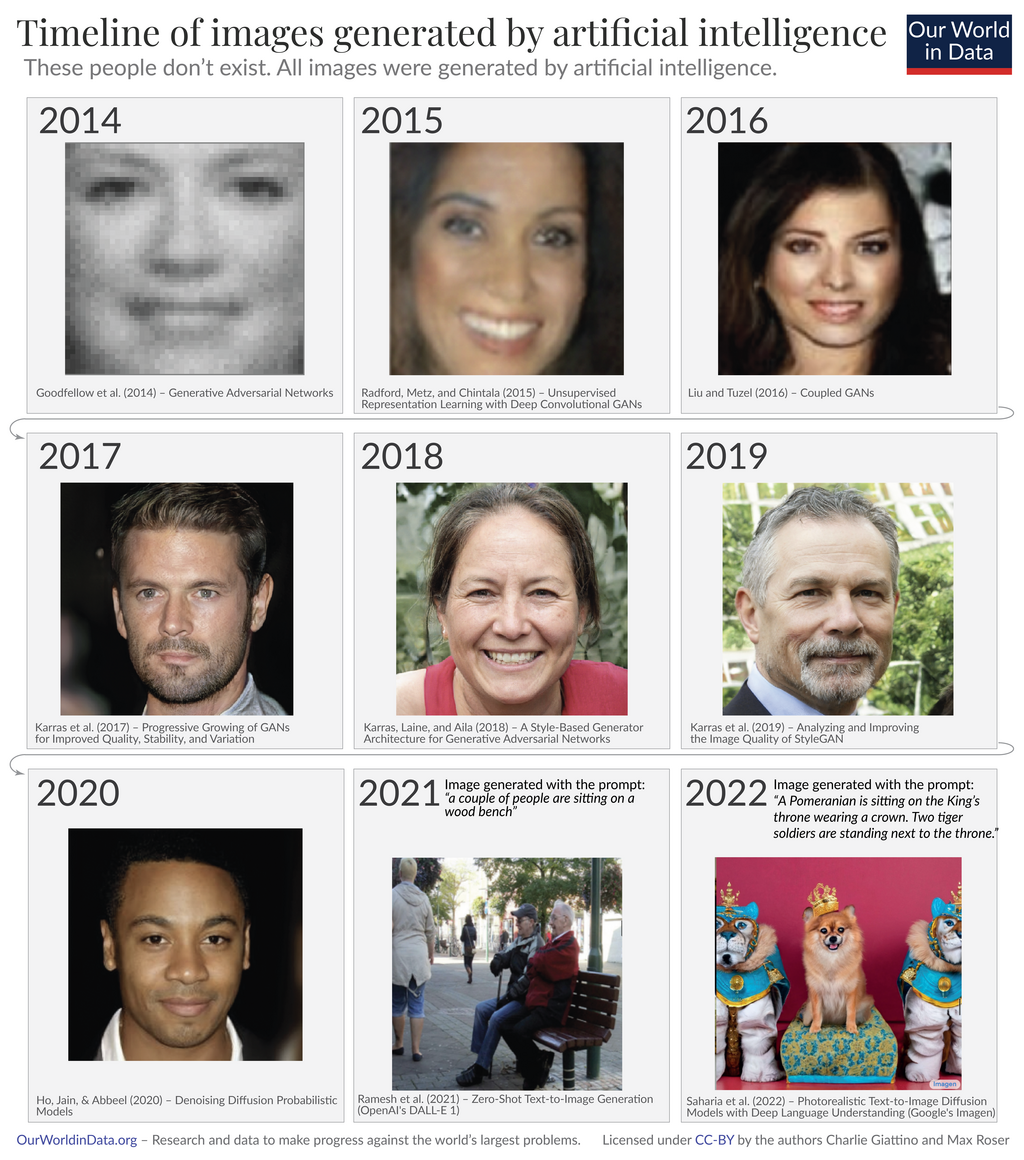
The quality of AI-generated content has improved dramatically over a very short period. What started as blurry, abstract creations has quickly evolved into sophisticated and highly realistic outputs.
Now that you have a foundational understanding of what generative AI is, let's test your knowledge.
What is the primary function of generative AI?
A simple request given to a generative AI model to initiate the creation of new content is called a __________.
You now have a solid grasp of the basics of generative AI, what it does, and how it learns. This foundation is key to using these powerful tools effectively and creatively.