Free Family Law Research for Texas Attorneys
Understanding Family Law Basics
Getting Married in Texas
In Texas, there are two paths to a legally recognized marriage. The most common is a ceremonial marriage. This involves getting a marriage license from a county clerk and then having a ceremony performed by an authorized person, like a judge or a religious leader.
To get a license, both parties must be at least 18 years old, provide proof of identity, and not be currently married to anyone else. After the license is issued, there's a 72-hour waiting period before the ceremony can take place, though this can be waived for active-duty military members.
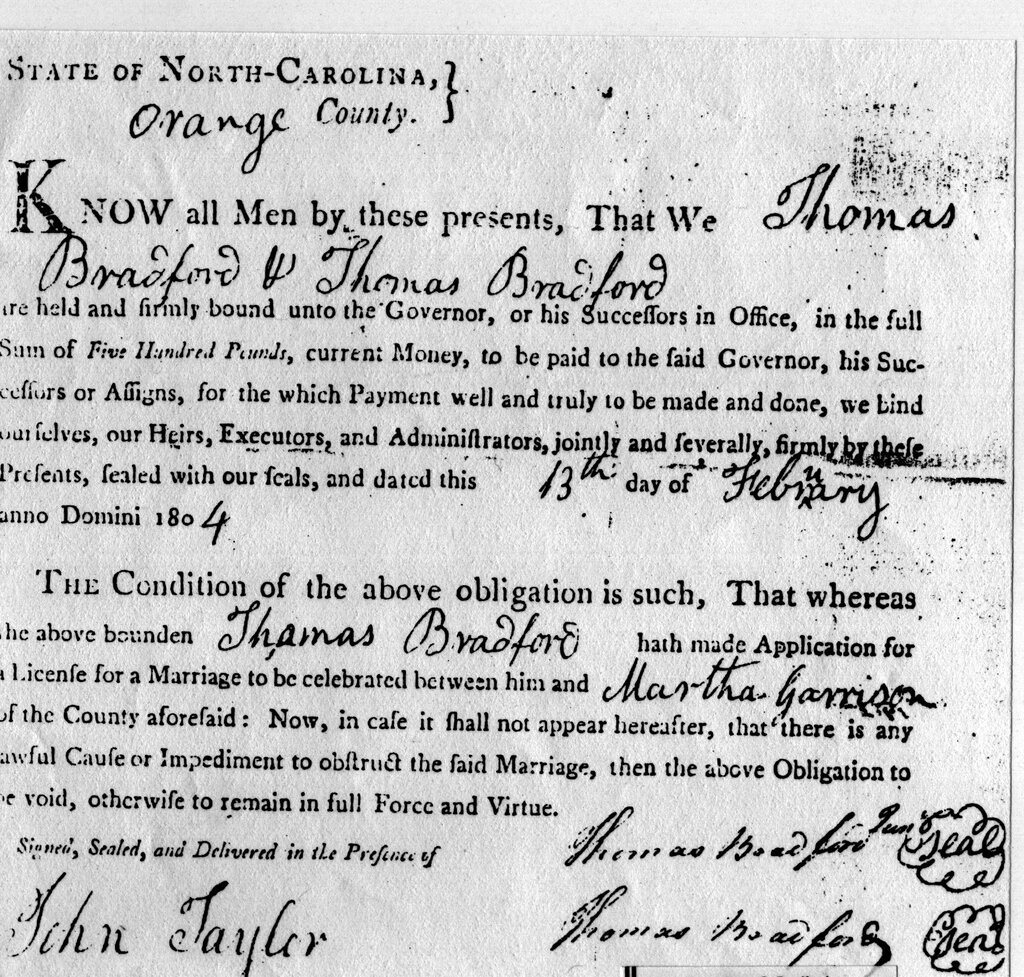
The second path is an informal marriage, often called a common-law marriage. This doesn't require a license or a ceremony, but it's more than just living together. To be informally married, a couple must meet three specific requirements.
A couple is considered to have an informal, or common-law, marriage if they:
- Agree that they are married.
- Live together in Texas as a married couple.
- Represent to others that they are married.
All three elements must be present at the same time. If they are, the marriage is just as legally valid as a ceremonial one.
When a Marriage Ends
Just as there are legal rules for starting a marriage, there are rules for ending one. The legal process to end a marriage is called a divorce. Texas is known as a "no-fault" divorce state, which simplifies the process for many couples.
no-fault divorce
noun
A divorce in which the person filing does not have to prove that the other spouse did something wrong.
The most common reason given for a divorce in Texas is "insupportability." This is a legal term that means the marriage has broken down due to disagreements or personality conflicts, and there's no reasonable expectation of reconciliation. You don't have to blame anyone; you just state that the relationship can't be fixed.
However, Texas law also allows for fault-based grounds for divorce. While not required, alleging fault can sometimes affect how the court divides the couple's property.
| Ground for Divorce | Description |
|---|---|
| Cruelty | The conduct of one spouse makes living together unbearable. |
| Adultery | One spouse has cheated on the other. |
| Felony Conviction | A spouse has been convicted of a felony and imprisoned for at least one year. |
| Abandonment | A spouse left with the intention of abandoning the other and remained away for at least one year. |
| Living Apart | The spouses have lived apart without cohabitation for at least three years. |
| Confinement in a Mental Hospital | A spouse has been confined to a mental hospital for at least three years. |
Children and Divorce
When a divorcing couple has children under 18, the court's main priority is ensuring their well-being. Every decision about custody and visitation is guided by a legal standard called the "best interest of the child."
In Texas, custody is referred to as "conservatorship." The law presumes that naming both parents as "joint managing conservators" is in the child's best interest. This means they share the rights and responsibilities of raising their children. One parent is usually designated as the "primary" conservator, which determines the child's main residence and the parent who receives child support.
The "best interest of the child" standard considers factors like the child's physical and emotional needs, stability of the home, and any history of family violence.
A visitation schedule, called a "possession order," outlines when each parent has the children. Texas has a Standard Possession Order that is presumed to be in the child's best interest. It typically gives the non-primary parent possession on the first, third, and fifth weekends of a month, along with alternating holidays and a period in the summer.
Financial Support
After a divorce, financial matters must also be settled. This often includes child support and, in some cases, spousal support. Both are determined by specific legal guidelines.
Child support is a monthly payment made by one parent to the other to help cover the costs of raising a child. The amount is calculated based on a percentage of the paying parent's net monthly income. The percentage depends on the number of children involved.
| Number of Children | Percentage of Net Income |
|---|---|
| 1 | 20% |
| 2 | 25% |
| 3 | 30% |
| 4 | 35% |
| 5 | 40% |
| 6+ | Not less than 40% |
Spousal support, also known as maintenance, is not as common. It's intended to provide temporary financial assistance to a spouse who lacks sufficient property or ability to support their minimum reasonable needs. A court will only order spousal maintenance if the spouse seeking it meets certain criteria, such as being the victim of family violence or being married for at least 10 years and unable to earn enough income.
Understanding these core principles of marriage, divorce, custody, and support provides a strong foundation for navigating family law matters in Texas.