France in Turmoil and Transformation 1750 to 1850
Ancien Régime Breakdown
The Cracks in the Crown
Between 1750 and 1789, the foundations of the French monarchy began to crumble, not from a single blow, but from decades of internal pressure. The familiar structure of the Three Estates—clergy, nobility, and commoners—tells only part of the story. The real forces eroding the Ancien Régime were a catastrophic financial crisis and a revolutionary shift in public thought, fueled by Enlightenment ideas.
The late 18th century saw France in turmoil as inequality and economic distress fueled the French Revolution (1789–1799).
This period was defined by a collision between an archaic political system and the demands of a modernizing state. The Crown's attempts to reform were consistently blocked by powerful institutions, creating a deadlock that would ultimately prove fatal.
A Kingdom in Debt
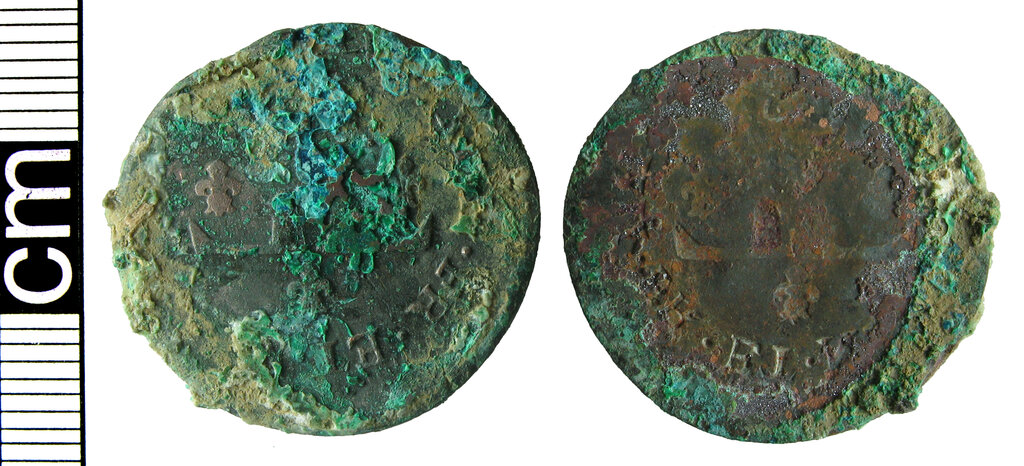
France's treasury was teetering on the brink of bankruptcy. Two major conflicts had drained the royal coffers: the Seven Years' War (1756–1763) and France's crucial support for the American Revolution (1775–1783). While victory in America was a blow to France's rival, Great Britain, it came at a staggering financial cost.
The real problem wasn't just the spending; it was the deeply flawed system of revenue. The burden of taxation fell almost entirely on the Third Estate—the peasants, merchants, and workers. The First and Second Estates, the clergy and nobility, enjoyed extensive privileges and were largely exempt from the most significant taxes, like the taille (a land tax). To cover its massive shortfalls, the monarchy resorted to borrowing, creating a vicious cycle of debt and interest payments that consumed an ever-larger portion of the state budget.
The Futility of Reform
Successive finance ministers attempted to solve the crisis, but their efforts were thwarted by entrenched interests. Anne-Robert-Jacques Turgot, a proponent of physiocratic ideas, sought to overhaul the economy. He proposed abolishing guilds, eliminating internal customs barriers that stifled trade, and, most radically, introducing a single land tax that would apply to all three estates. The privileged orders, especially the nobility in the high courts known as Parlements, fiercely resisted. Turgot was dismissed in 1776.
Physiocracy
noun
An 18th-century economic theory that considered land to be the source of all wealth. Physiocrats advocated for free trade and a simplified tax system based on land value, challenging the mercantilist policies of the time.
His successor, Jacques Necker, took a different approach. He financed the American war effort through more loans, a popular short-term fix that worsened the long-term debt. In 1781, he published the Compte Rendu au Roi (Report to the King), the first-ever public account of royal finances. However, Necker deliberately manipulated the numbers to show a surplus, hiding the true depth of the fiscal hole. The report made him incredibly popular, but it also created a false sense of security and made the eventual revelation of the state's bankruptcy all the more shocking.
A King Without Mystique
While the treasury was emptying, the monarchy's symbolic capital was also being depleted. The king was traditionally seen as a sacred figure, God's chosen representative on Earth. This
This
divine aura began to fade in a process historians call desacralization. Enlightenment thinkers questioned the concept of divine right, promoting ideas of popular sovereignty and individual rights instead.
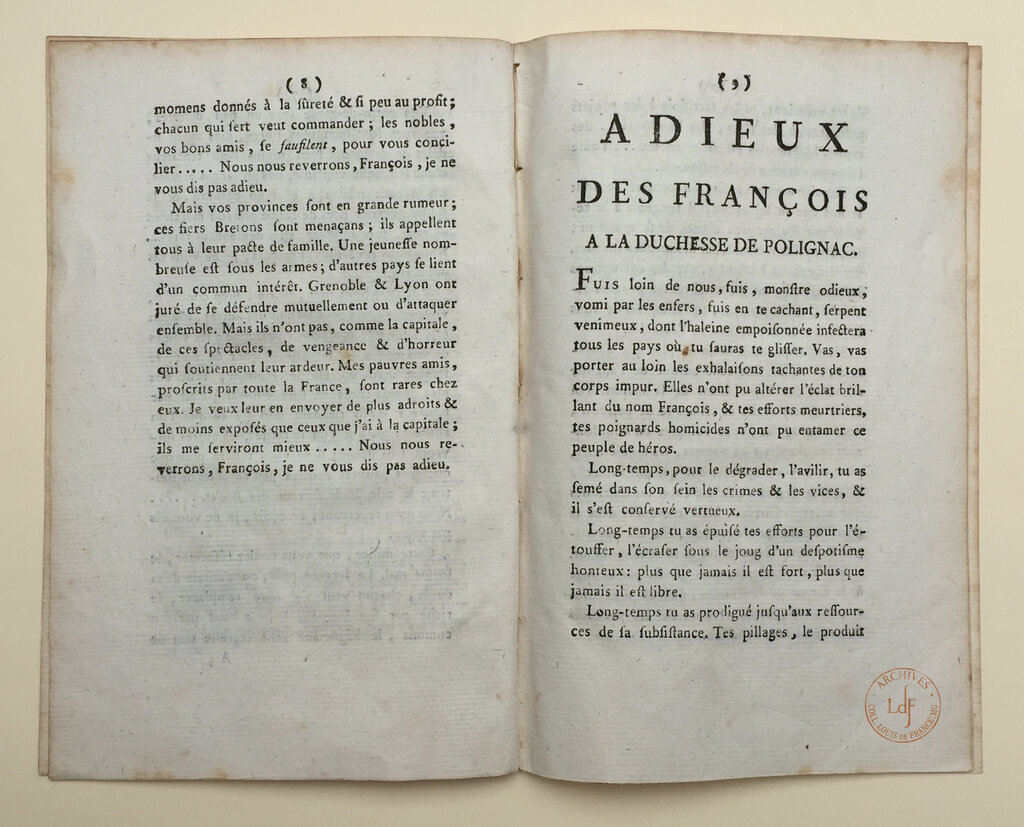
This intellectual shift was amplified by a surge in pamphlets and illicit publications that openly mocked and criticized the king, Queen Marie Antoinette, and the court at Versailles. The monarchy was portrayed not as a sacred institution, but as a decadent, corrupt, and incompetent regime, disconnected from the struggles of its people.
This erosion of authority was also evident in the Crown's clashes with the Parlements. These high courts of justice, dominated by nobles, presented themselves as defenders of the people's rights against royal absolutism. During the "Maupeou Revolution" of 1771-1774, Chancellor Maupeou attempted to break their power by abolishing them, but they were restored after Louis XV's death. Their continued resistance to royal edicts, especially tax reforms, further weakened the king's authority and created a political stalemate.
What were the two primary military conflicts that severely drained France's royal treasury prior to 1789?
The French finance minister Jacques Necker published the Compte Rendu au Roi in 1781, which publicly detailed the royal finances for the first time.
By 1789, the Ancien Régime was brittle. It was financially bankrupt, politically deadlocked, and stripped of its sacred legitimacy. The systemic instability was so profound that when King Louis XVI finally called the Estates-General to address the fiscal crisis, he inadvertently unleashed forces that could no longer be contained.