Framepack Prompting for Image Generation
Introduction to Framepack Prompting
The Artist's Brief
Communicating with an AI image generator is like hiring an artist. If you say, “Draw a dog,” you’ll get a dog, but it might not be what you pictured. Is it a big dog or a small one? Is it running in a field or sleeping on a couch? The AI has to guess.
To get better results, you need to provide a better brief. Instead of a single command, you give it a structured set of instructions that guide the creation process. This is the core idea behind framepack prompting.
prompt
noun
A set of instructions given to an AI to guide its output, whether it's text, images, or another medium.
Framepack prompting organizes your request into a clear, detailed package. Think of it in two parts:
- The Frame: This is the main subject and setting. It’s the big picture. A knight standing on a cliff.
- The Pack: This is a pack of details that refine the image. It includes specifics about style, lighting, color, and mood. Cinematic lighting, fantasy art style, wearing silver armor, overlooking a stormy sea.
Putting them together gives the AI a much clearer target to aim for. You're not just asking for a picture; you're describing the exact image you want to see.
A good prompt removes the guesswork. It tells the AI not only what to create, but how to create it.
Why Structure Matters
Many popular AI image generation tools, like Midjourney or DALL-E, thrive on detailed prompts. While they can work with simple phrases, their true power is unlocked when you provide a structured request. Framepack prompting is a reliable way to create that structure.
Without it, your results can feel random. You might get a cartoon when you wanted a photograph, or a daytime scene when you pictured a sunset. By separating the core subject (the frame) from the stylistic details (the pack), you gain more control over the final output.
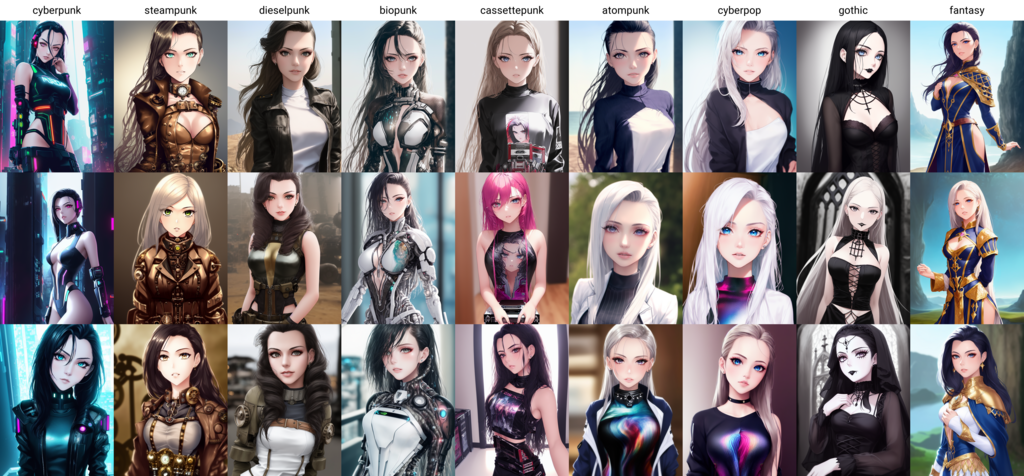
The basic principles are straightforward. Start with a clear subject, then add descriptive keywords and phrases to guide the AI. Be specific. Instead of saying “dark,” try specifying “dramatic shadows” or “moonlit.” Instead of just “a car,” describe the model, color, and environment.
This method turns prompting from a guessing game into a repeatable process. You're building a recipe for the AI to follow, which makes it easier to refine your ideas and get closer to the image in your head with each attempt.
A well-structured prompt, on the other hand, ensures that the AI understands exactly what is desired, resulting in a final image that meets creative expectations.
As you get started, focus on these two components. First, define your 'frame' with a simple subject and action. Then, add a 'pack' of at least three to four details to guide the style. This simple habit will immediately improve the quality and consistency of your AI-generated images.