Fracture Toughness of Nanocrystalline Nitride Magnets
Fracture Toughness Fundamentals
The Breaking Point
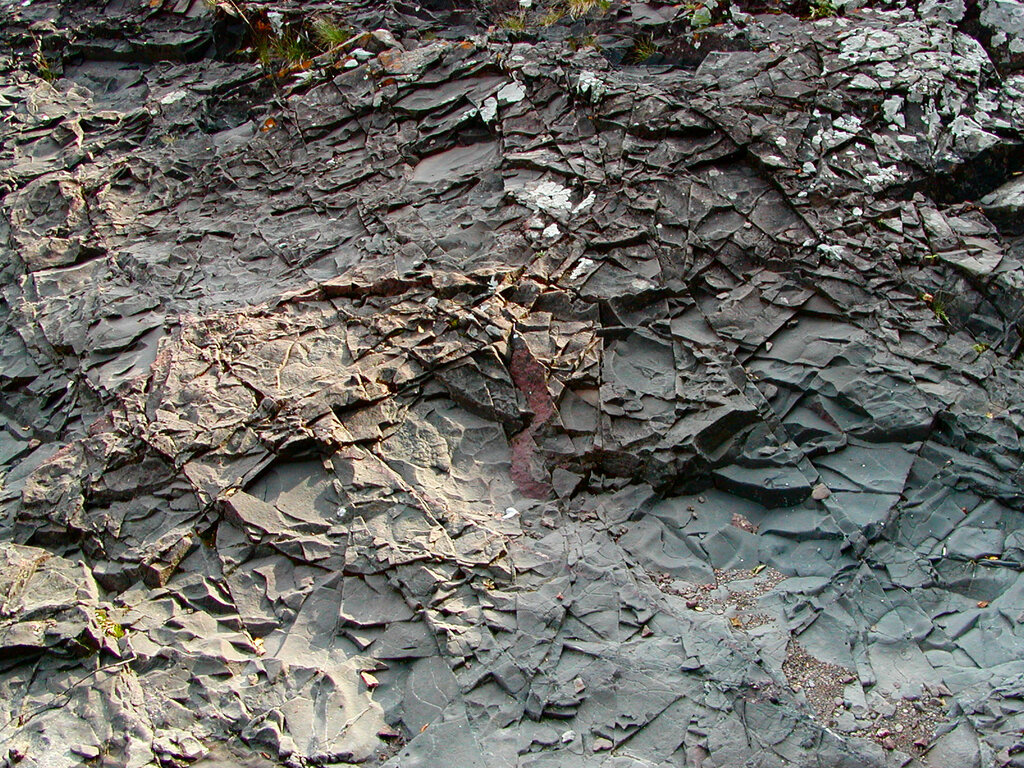
Some materials are strong. They can bear a heavy load without bending or deforming. But strength isn't the whole story. A ceramic coffee mug can support a heavy book, but it will shatter into pieces if you drop it on the floor. In contrast, a plastic container might dent, but it won't break. This resistance to breaking, especially when a small crack already exists, is called toughness.
Fracture toughness is a measure of a material's ability to resist the growth of a crack.
Essentially, it quantifies how much energy a material can absorb around a crack tip before that crack starts to spread. A tough material can tolerate small flaws, while a brittle one will fail catastrophically from a tiny imperfection. This property is crucial for engineers designing everything from airplane wings to bridges, ensuring that small, unavoidable defects don't lead to sudden disaster.
Quantifying Toughness
To measure fracture toughness, scientists focus on the stress at the very tip of a crack. This is described by a parameter called the stress intensity factor, symbolized as . It depends on the applied stress, the size of the crack, and the geometry of the component.
This formula shows that for a given material with a certain toughness (), a larger crack () means it will fail at a lower applied stress (). This is why inspecting for cracks is so important in safety-critical structures. The units for fracture toughness are typically megapascals square root meter () or kilopounds per square inch square root inch ().
Cracks can open and spread in different ways, known as modes. The most common is Mode I, where the crack is pulled open. Mode II involves a sliding or in-plane shear motion, and Mode III is a tearing or out-of-plane shear.
Testing for Toughness
So how is this crucial property measured? In a laboratory, a standardized sample of the material is prepared. A very sharp, precise notch is machined into it, and then a fatigue crack is started at the tip of that notch. This creates a worst-case scenario with a pre-existing sharp flaw.
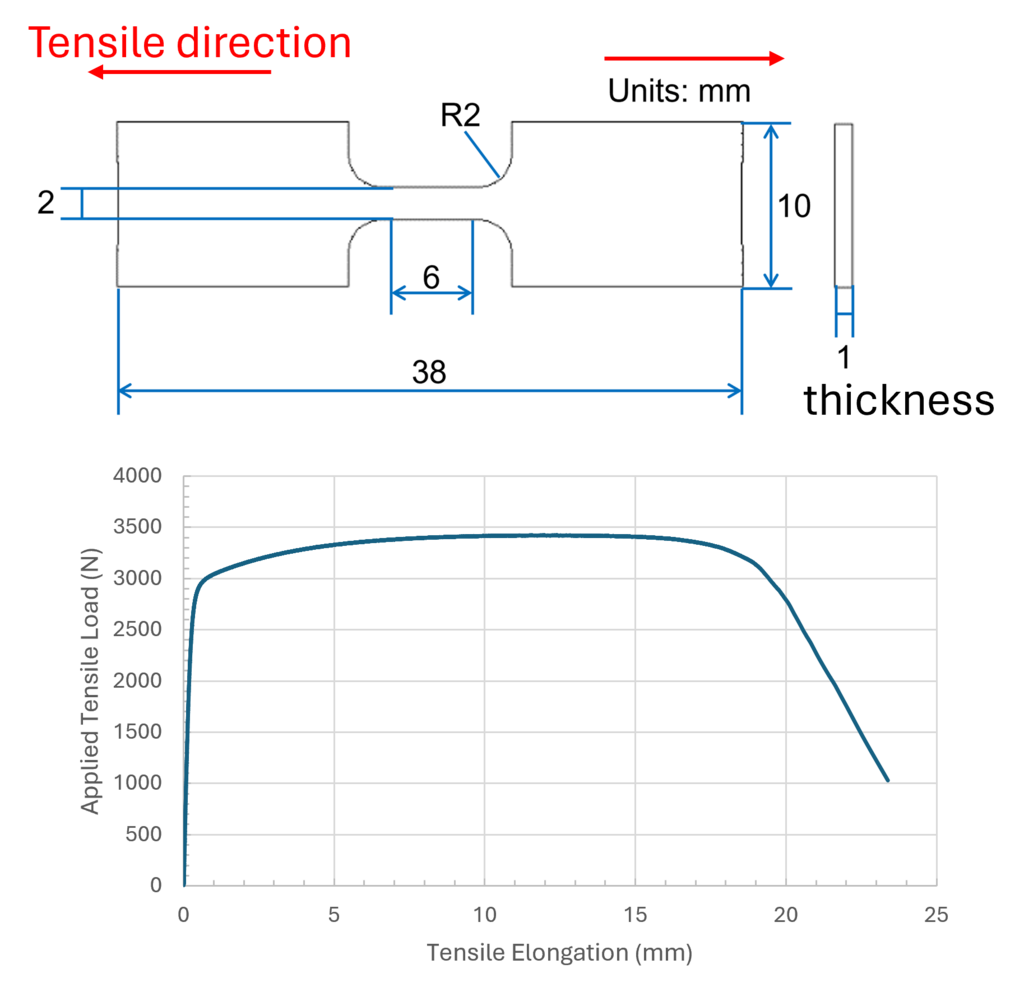
The specimen is then loaded in a specialized machine that pulls it apart or bends it. The machine records the force being applied and how much the crack opens. The test continues until the material fractures suddenly. By analyzing the force at the moment of fracture and knowing the specimen's geometry and crack length, engineers can calculate the material's fracture toughness, .
Now, let's test your understanding of these concepts.
What is the primary distinction between a material's strength and its toughness?
The parameter that quantifies the stress at the tip of a crack and depends on the applied load and crack size is called the __________.
Understanding fracture toughness allows engineers to design safer, more reliable products by accounting for the unavoidable imperfections present in all real-world materials.