Fractional Reserve Lending Explained
Introduction to Money and Banking
What Is Money?
Before we can talk about banking, we need to understand money itself. It’s more than just the paper bills and metal coins in your pocket. At its core, money is a tool that makes economic life easier.
Think about a world without money. If you were a chicken farmer who wanted bread, you'd have to find a baker who wanted chickens. This system, called barter, is incredibly inefficient. What if the baker doesn't want chickens? You'd have to find someone who has something the baker wants, trade your chickens for that, and then go back to the baker. It's a logistical nightmare.
Money solves this problem by serving three essential functions.
Medium of Exchange: Money is an intermediary we all agree to accept in trade for goods and services.
Unit of Account: It provides a common measure of value, allowing us to price everything in dollars, euros, or yen instead of chickens or loaves of bread.
Store of Value: Money can be saved and used later. It holds its purchasing power over time, though inflation can affect this.
Anything that fulfills these three roles can be considered money.
From Barter to Bills
The earliest forms of money had value in and of themselves. This is known as commodity money. Salt, cattle, shells, and grains have all been used as money in different societies. These items were useful for their own sake, but they were also divisible, portable, and durable enough to work as a medium of exchange.
Over time, precious metals like gold and silver became the preferred form of commodity money. They were rare, easy to carry, and didn't spoil. Governments began minting coins with a specific weight and purity, making transactions simpler and more trustworthy.
Eventually, carrying around heavy bags of gold became impractical. This led to the development of representative money, where a certificate or token could be exchanged for a certain amount of gold or silver held in a bank vault.
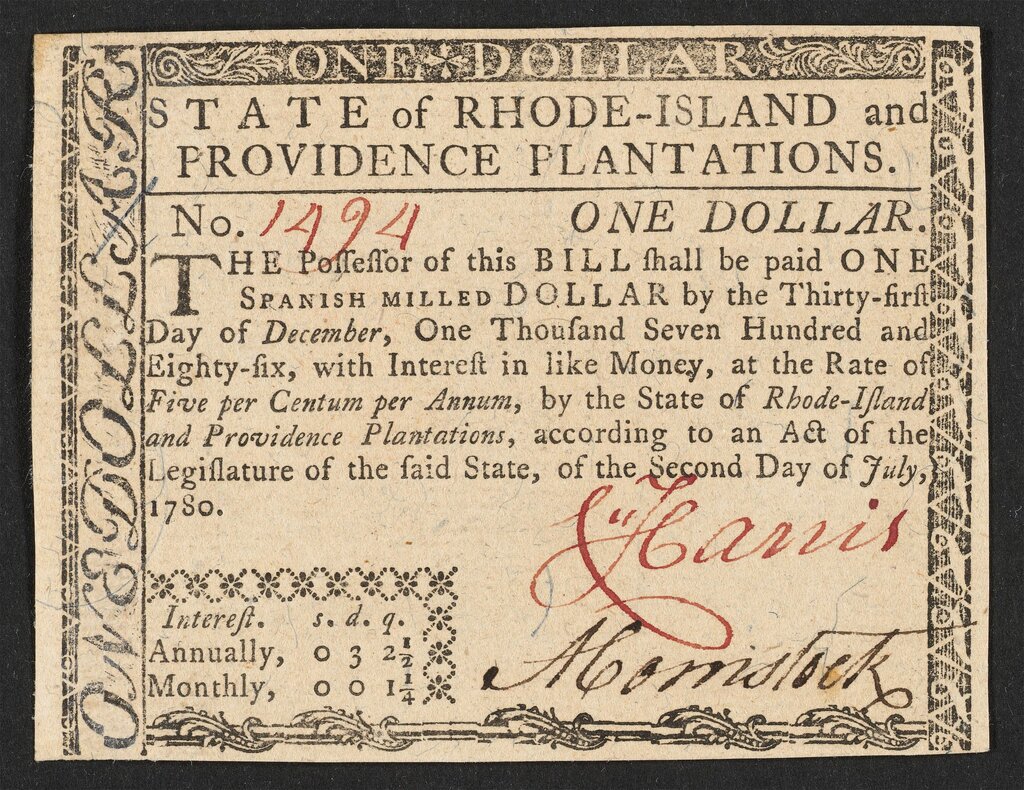
Most modern economies have taken this one step further with fiat money. This is money that a government has declared to be legal tender, but it isn't backed by a physical commodity. Its value comes from the trust and confidence people have in the government that issues it. The U.S. dollar, for instance, is fiat money.
fiat money
noun
A government-issued currency that is not backed by a physical commodity, such as gold or silver, but by the government that issued it.
The Role of Banks
Banks are the backbone of the modern economy. Their primary function is to act as intermediaries, connecting those who have surplus money (savers) with those who need it (borrowers).
When you deposit money into a savings account, you are essentially lending it to the bank. The bank pays you interest for the use of your money. It then pools your deposit with those of many others and lends it out at a higher interest rate to individuals who want to buy a house, or to entrepreneurs who want to start a business.
This process is crucial for economic growth. It channels savings into productive investments, helping businesses expand, create jobs, and develop new technologies. Without banks, it would be much harder for savers and borrowers to find each other.
Commercial banks provide financial intermediation – i.e. by accepting deposits and making loans they bring borrowers and lenders together...
Beyond this core function, banks also provide essential payment services. They make it easy and secure to transfer money through checks, debit cards, and electronic transfers, which keeps the wheels of commerce turning.
The Rise of Central Banks
In the early days of banking, each bank often issued its own currency. This could create confusion and instability. A banknote from one bank might not be accepted by another, and bank failures could wipe out people's savings.
To address these problems, governments began establishing central banks. A central bank is a special financial institution that acts as the government's bank and has oversight of the entire banking system. The first was Sweden's Riksbank, founded in 1668, followed by the Bank of England in 1694. The United States created its central bank, the Federal Reserve, in 1913.
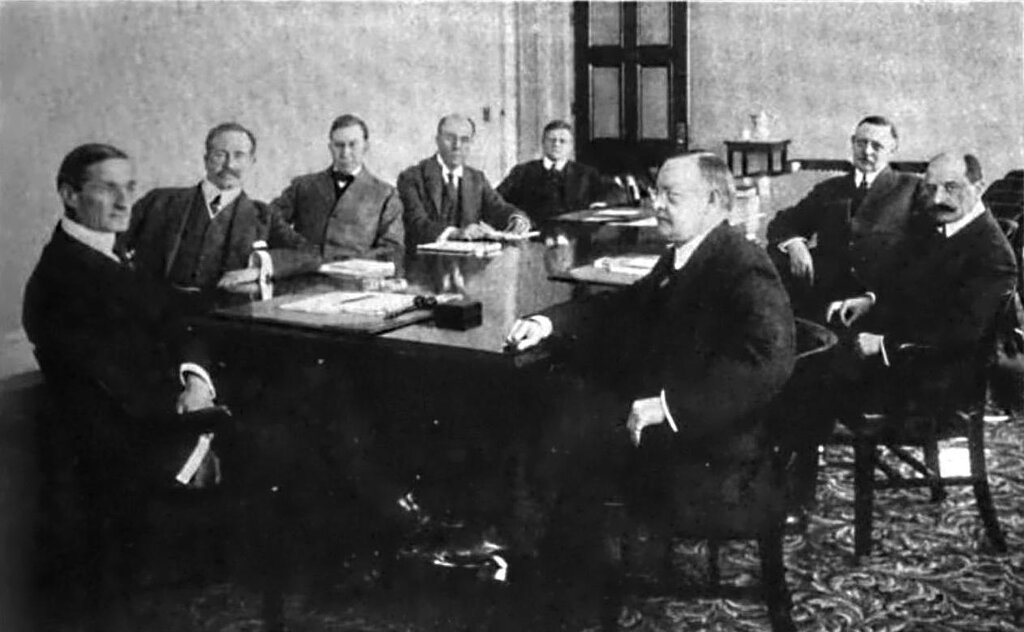
Central banks have several key responsibilities. They typically have the exclusive right to issue the national currency, ensuring a uniform and stable supply of money. They also act as a "lender of last resort," providing emergency loans to commercial banks to prevent financial panics.
Most importantly, central banks are responsible for implementing monetary policy, which involves managing interest rates and the money supply to promote stable prices and maximum employment. This makes them one of the most powerful players in a country's economy.
Let's check your understanding of these foundational concepts.
Why is a system of money generally more efficient than a barter system?
Money that a government has declared to be legal tender, but is not backed by a physical commodity, is known as ______ money.