FPS Animation Explained
Frame Rate Fundamentals
What Is Frame Rate?
Think of a video game like a digital flipbook. Each page is a single, static image, but when you flip through them quickly, the images blur together to create the illusion of motion. In video games, these individual images are called frames.
Frame rate is the speed at which a game displays these frames. It’s measured in frames per second, or FPS. If a game runs at 60 FPS, it means your screen is showing you 60 distinct images every single second. The higher the frame rate, the more frames are packed into each second, resulting in smoother and more lifelike motion.
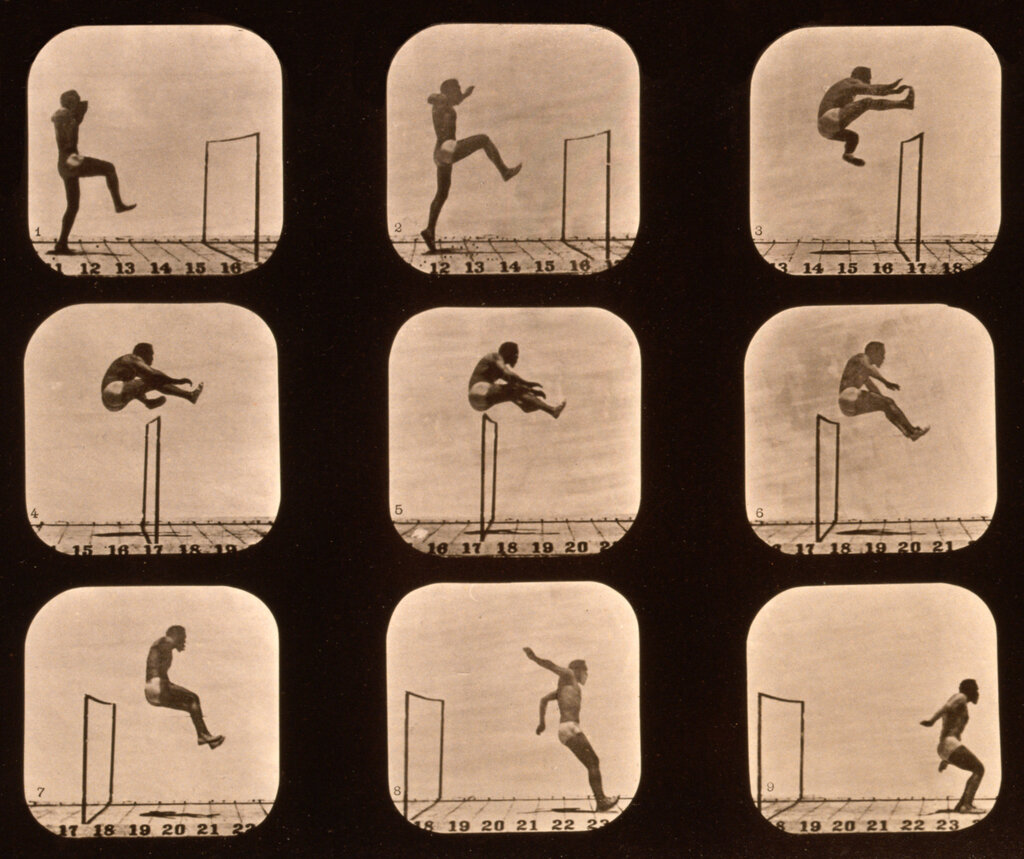
A low frame rate, on the other hand, means fewer images are shown per second. This can make the game appear choppy or jerky, an effect often called "stuttering." It breaks the illusion of fluid movement and can be distracting.
Why Smoothness Matters
The difference between a low and high frame rate is immediately noticeable. A game running at 30 FPS might feel playable, but one at 60 FPS will feel significantly more responsive and fluid. At 120 FPS or higher, the motion becomes incredibly smooth, almost like looking through a window.
This smoothness isn't just for looks. It directly affects how you interact with the game. In fast-paced games, a high frame rate gives you more visual information, allowing you to react more quickly to what's happening on screen.
It's important to clarify a common point of confusion. The abbreviation FPS stands for both frames per second and first-person shooter, a popular game genre. While related, they are not the same thing. However, a high frame rate (frames per second) is especially critical for success in first-person shooter (FPS) games.

Imagine an opponent quickly peeking around a corner. If your game is running at 60 FPS, you'll see twice as many frames of their movement compared to someone playing at 30 FPS. This means you get the visual information sooner, giving you a fraction of a second more time to react, aim, and fire. In a competitive match, that tiny advantage can be the difference between winning and losing an encounter.
Hardware's Role
So why don't all games just run at the highest possible frame rate? The answer lies in your hardware. Rendering each frame is a complex task that requires a lot of computational power. Your computer's Graphics Processing Unit (GPU) and Central Processing Unit (CPU) work together to create every detail you see on screen, from character models and textures to lighting and special effects.
A more powerful system can perform these calculations faster, allowing it to generate more frames per second. If a game's graphics are too demanding for the hardware, the system can't keep up, and the frame rate will drop. This is why gamers often adjust in-game graphics settings—lowering details like shadow quality or texture resolution reduces the workload on the hardware, which can help achieve a higher, more stable FPS.
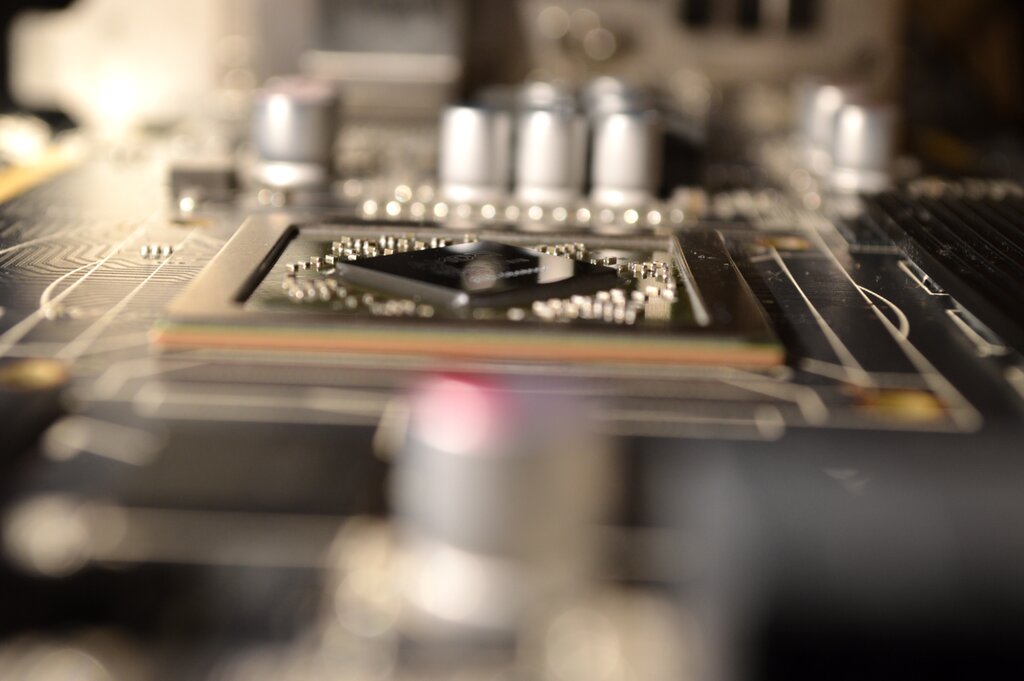
Ultimately, achieving a smooth gameplay experience is a balancing act between visual quality and performance. A stable frame rate is often prioritized over maximum graphical settings for the most responsive gameplay.
Let's check your understanding of these core concepts.
What does "frame rate" measure in a video game?
A low frame rate can make a game feel choppy and unresponsive. What is this effect commonly called?
Frame rate is a fundamental building block of how we perceive and interact with games. A high, steady FPS is key to a smooth and responsive experience.