Founding Israel Historical Sources
Zionism Origins
A People Apart
For centuries, Jewish communities were scattered across Europe, a diaspora living as minorities from Russia to France. Their legal status varied greatly. In some places, they were granted rights and opportunities for a time, a process known as emancipation. In others, they were confined to specific districts and faced open hostility.
Even where they were officially citizens, acceptance was often conditional. The hope for many was assimilation—blending into the broader national culture. But this often proved impossible. A tide of modern, race-based antisemitism was rising, and it didn't care how assimilated a person was. This created a profound sense of insecurity.
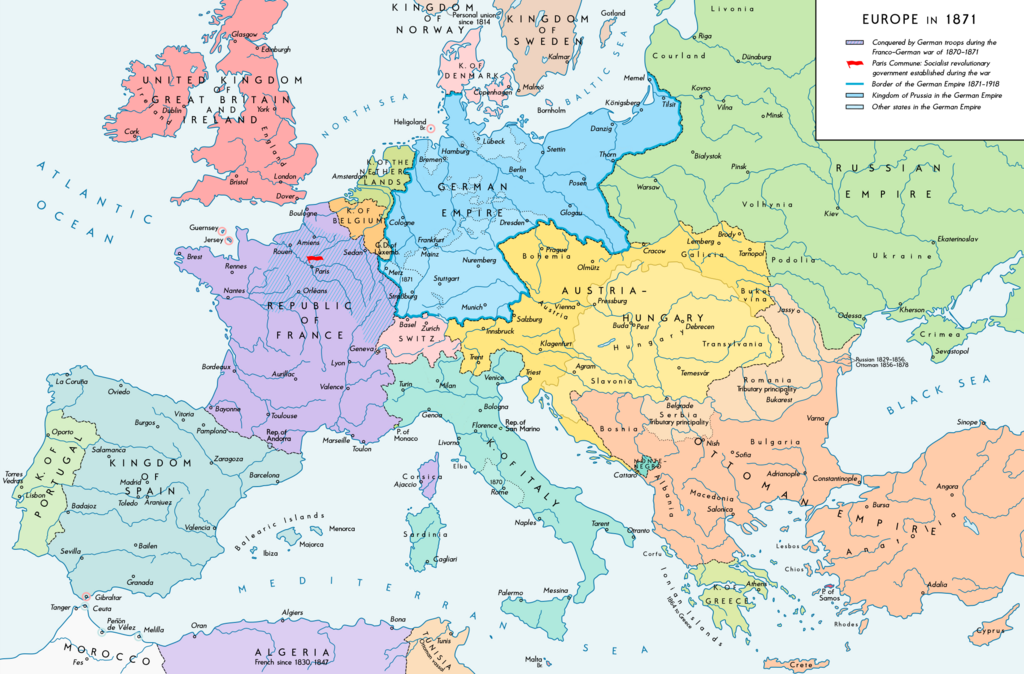
At the same time, Europe was swept by a powerful new idea: nationalism. The 19th century saw Italians unite to form Italy and German states merge into a German Empire. The defining idea was that a people with a shared language, culture, and history deserved their own nation-state.
This new way of thinking posed a difficult question for Jewish people. They had a shared history and culture, but no land to call their own. They weren't German in the way a non-Jewish German was, nor were they Polish or French. The rise of nationalism, which gave so many groups a sense of belonging, often had the opposite effect on Europe's Jews, leaving them feeling like perpetual outsiders.
The Political Solution
For some Jewish thinkers, the answer became clear. If persecution and prejudice were inescapable in Europe, and if the world was organizing itself into nation-states, then the Jewish people needed a nation-state of their own. This wasn't just a religious yearning for a distant, biblical Zion. It was a modern, political idea born from crisis. This new movement became known as Zionism.
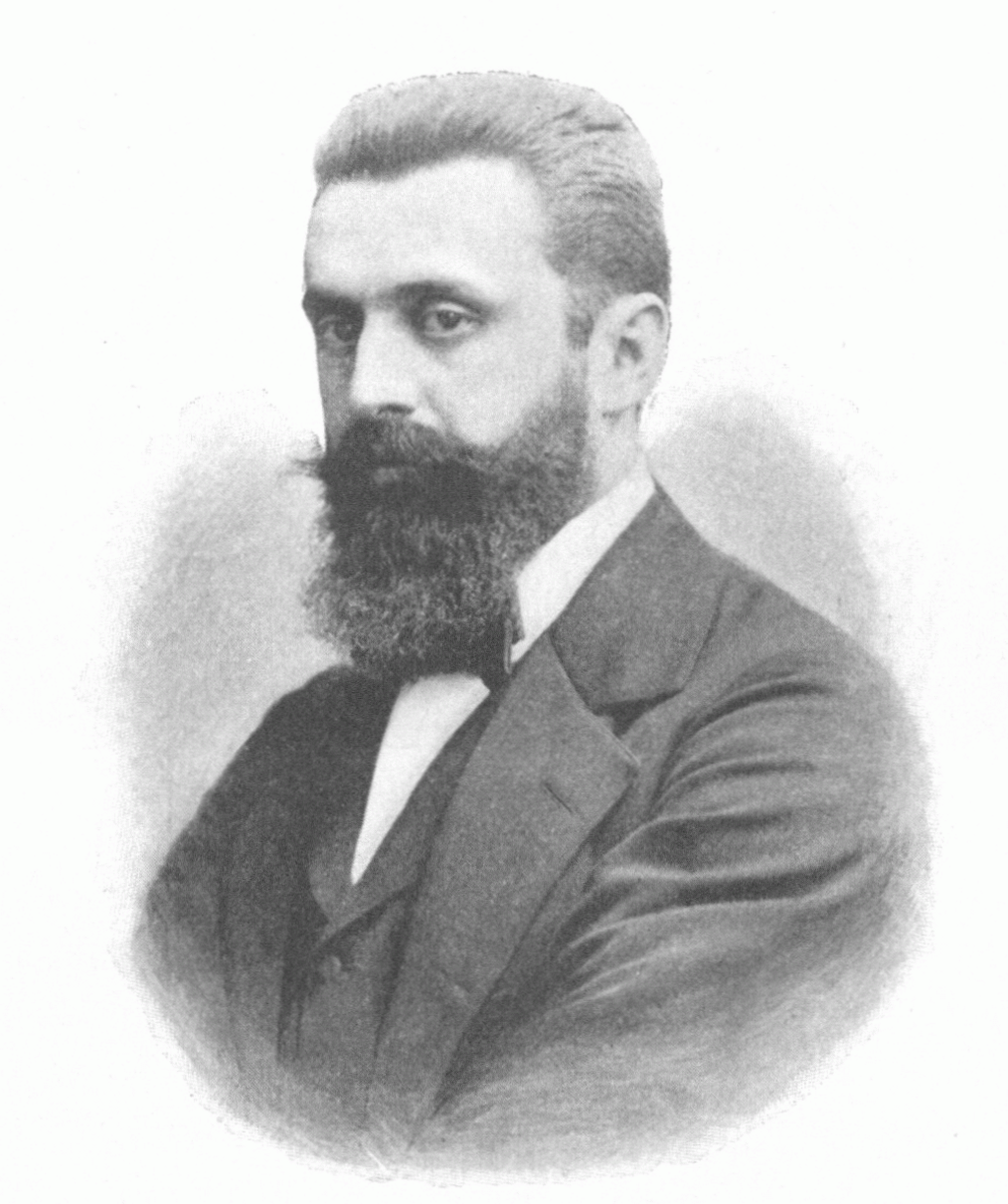
The key figure to ignite this movement was Theodor Herzl, an Austro-Hungarian journalist and playwright. Herzl was not particularly religious; he was a product of European assimilation. But his perspective shifted dramatically while covering the Dreyfus affair in Paris, a notorious case where a French Jewish army officer was falsely convicted of treason amid a storm of public antisemitism. Herzl concluded that assimilation was a dead end. No matter how patriotic or integrated Jewish people became, they would never be fully accepted.
In 1896, he published a short but explosive book, Der Judenstaat, or The Jewish State. His argument was direct: the “Jewish question” was a national problem that required a political solution.
The solution, he argued, was the creation of a Jewish state, a place where Jews could live with dignity and self-determination, free from persecution.
The First Congress
Herzl's ideas electrified many Jews across Europe. He wasn't the first person to suggest a return to Zion, but he was a brilliant organizer. He decided to convene a global assembly to turn his vision into a concrete plan.
In August 1897, about 200 delegates from 17 countries gathered in Basel, Switzerland, for the First Zionist Congress. It was a diverse group, including religious and secular Jews, socialists and capitalists. What united them was the belief in the need for a Jewish national home.
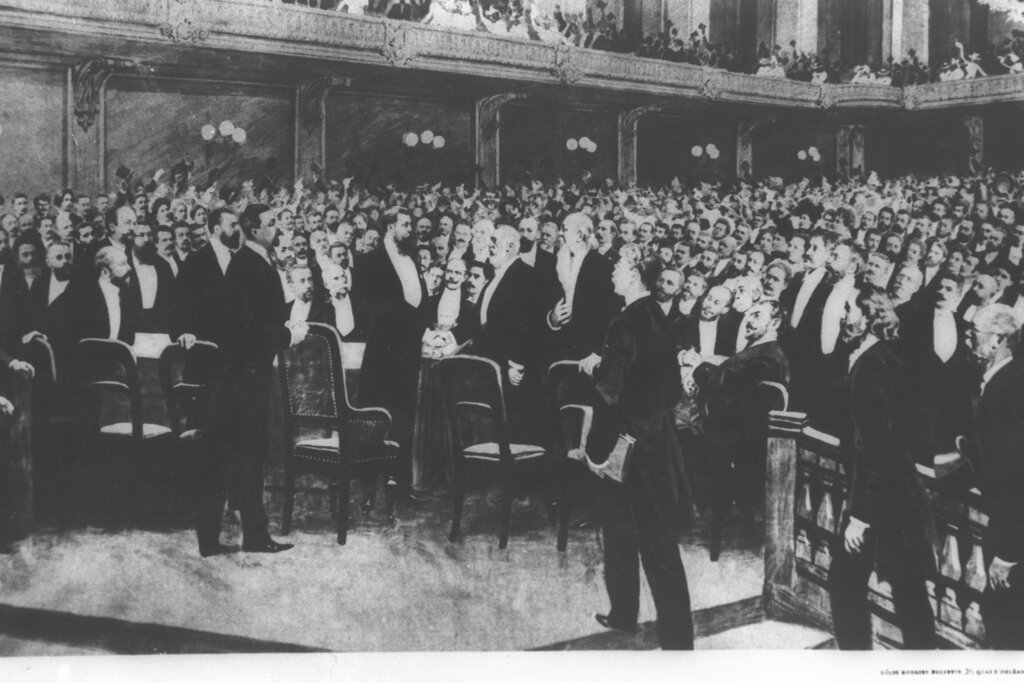
The Congress was a formal, diplomatic affair. Delegates wore formal dress to signal the seriousness of their purpose. They weren't just dreaming; they were building the foundations of a state. The primary outcome was the Basel Program, which laid out the movement's official goal.
“Zionism seeks to establish a home for the Jewish people in Palestine secured under public law.”
The program then outlined the practical steps to achieve this: promoting the settlement of Jewish farmers and workers in Palestine, organizing Jews worldwide, strengthening Jewish national feeling, and undertaking preparatory steps to obtain government consent. For the first time, Zionism was no longer just an idea—it was an organized international political movement with a clear objective. The seeds of a future state had been planted.
Now, let's test your understanding of these foundational concepts.
What was a primary factor that made 19th-century European nationalism a problem for Jewish communities?
Theodor Herzl's belief that Jewish assimilation into European society was a failure was significantly shaped by what event?
The First Zionist Congress marked a pivotal moment, transforming a centuries-old hope into a structured political project that would shape the course of the 20th century.