Founding a Philanthropic Foundation
Introduction to Philanthropic Foundations
What Are Foundations For?
A philanthropic foundation is a special kind of nonprofit organization. Its main job is to support charitable activities. Think of it like a dedicated savings account for doing good in the world. An individual, a family, or a corporation puts money into this account, and that money is then given out as grants to other nonprofit organizations that are doing the hands-on work.
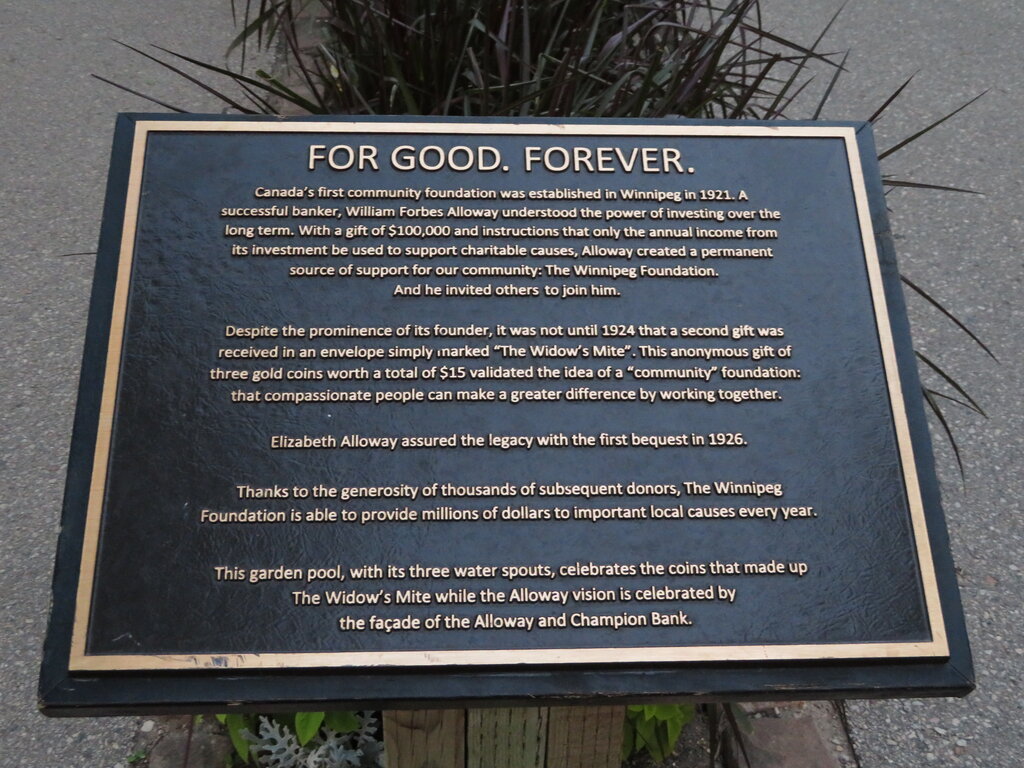
The core purpose is to create a lasting, stable source of funding for causes that matter to the founder. Instead of just making a one-time donation, creating a foundation allows for strategic, long-term giving. It turns a passion for a cause into an institution that can support that cause for years, or even generations, to come.
Public vs. Private
Foundations generally come in two flavors: private and public. The main difference lies in where they get their money and who they are accountable to.
A private foundation is typically funded and controlled by a single source—an individual, a family, or a corporation. Think of the Bill & Melinda Gates Foundation or the Ford Foundation. They make grants using their own endowment, giving them a lot of freedom to pursue their specific missions. However, they face stricter regulations to ensure they operate for the public good.
A public foundation, on the other hand, is a public charity. It gets its funding from multiple sources, including the general public, other foundations, and government agencies. Community foundations are a perfect example. They pool donations from many people in a specific geographic area to support local causes. Because their support is broad, they have more public involvement and fewer restrictions than private foundations.
| Feature | Private Foundation | Public Foundation |
|---|---|---|
| Primary Funding | Single individual, family, or corporation | General public, multiple sources |
| Main Activity | Grantmaking to other nonprofits | Grantmaking & running direct programs |
| Control | Often controlled by donors/family | Governed by a diverse board |
| Accountability | The IRS and the public | The public and its donors |
Why Start a Foundation?
Creating a foundation offers several powerful benefits. First, it provides a more organized and strategic way to handle charitable giving. Instead of making scattered donations, you can develop a focused mission and make a bigger impact over time.
It also creates a lasting legacy. A foundation can continue a founder's philanthropic vision long after they are gone, involving future generations of a family or perpetuating a company's values in the community.
Foundations centralize giving, making it more strategic, impactful, and enduring.
Finally, there are financial advantages. Donors receive tax deductions for contributions made to the foundation, and the foundation's assets can grow tax-free. This allows the initial gift to have a much larger impact over the long term.
The mission, board and finances of a non-profit can lend invaluable guidance to donors considering offering their support.
First Things to Consider
Before diving in, it's wise to think through a few key questions. These aren't legal steps, but important personal and strategic choices that shape everything else.
First, what is your philanthropic mission? What specific problem do you want to solve or what cause do you want to support? A clear, focused mission is the bedrock of an effective foundation.
Next, consider your timeline. Do you want the foundation to exist forever (in perpetuity), or should it spend all its money and close down after a certain number of years? This is known as a "spend-down" foundation.
Finally, think about involvement. How hands-on do you want to be? Do you want to actively manage the grantmaking process, or would you prefer to appoint a board and staff to handle the daily operations?
Answering these questions will provide a clear vision for your foundation and guide you through the more technical steps of bringing it to life.