Founder Decision-Making Mastery
Advanced Decision-Making Frameworks
The Lean Startup
The Lean Startup isn't just a buzzword; it's a methodology for navigating uncertainty. At its core is the Build-Measure-Learn feedback loop, a cycle designed to turn ideas into products, measure how customers respond, and then learn whether to pivot or persevere. The goal is to get through this loop as quickly as possible.
A key concept is the Minimum Viable Product (MVP). This isn't your final, polished product. It's the version of your product with just enough features to be usable by early customers, who can then provide feedback for future development. Think of it as a starting point for a conversation with your market, not a finished statement.
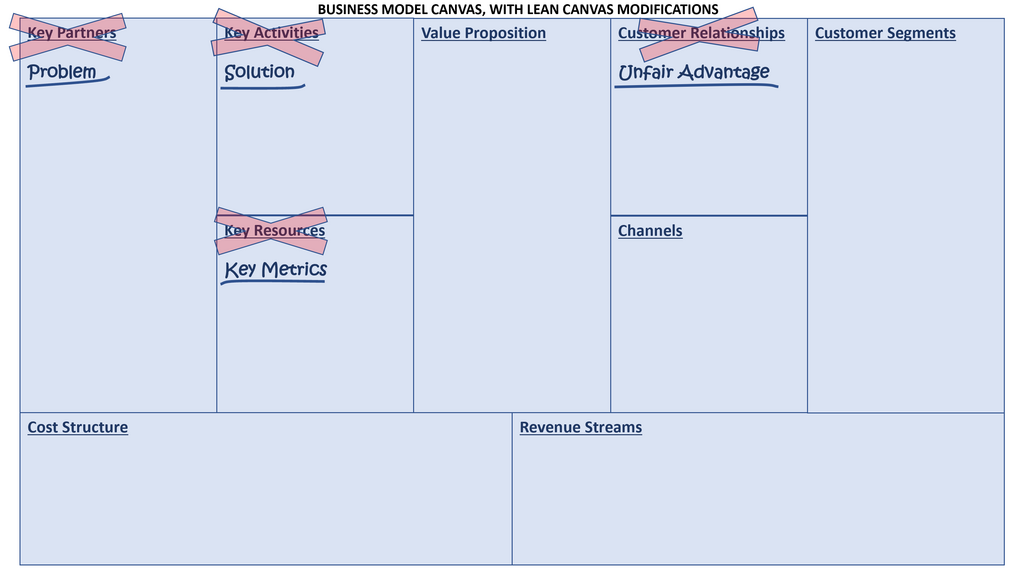
This process is all about validated learning. Instead of assuming you know what customers want, you test your hypotheses with real users. Every feature, marketing campaign, and business decision is an experiment designed to answer a question. This approach helps founders avoid the biggest pitfall: building something nobody wants.
The fundamental goal of the Lean Startup is to minimize the total time spent in the Build-Measure-Learn loop.
The PDCA Cycle
For continuous improvement, many founders turn to the PDCA Cycle. It’s a simple but powerful four-stage method for testing ideas and improving processes.
- Plan: Identify a problem or an opportunity for improvement. Formulate a hypothesis about what change will have a positive effect. This is where you set your goals and define success metrics.
- Do: Implement the plan on a small scale. This is a pilot test, not a full rollout. The idea is to gather data without disrupting your entire operation.
- Check: Analyze the results of your test. Compare the outcome against your expectations and metrics from the Plan stage. Did the change work? What did you learn?
- Act: If the change was successful, you implement it on a broader scale and standardize the new process. If it wasn't, you go back to the Plan stage with the new knowledge you’ve gained. The cycle repeats.
PDCA is less about grand strategy and more about operational excellence. It creates a culture of problem-solving and ensures that your business is always getting a little bit better.
The DECIDE Model
When you face a complex, high-stakes decision that requires a more methodical approach, the DECIDE model provides a clear, linear path. It's an acronym that guides you through a structured process from start to finish.
| Step | Name | Description |
|---|---|---|
| D | Define the problem | Clearly articulate the issue you need to solve. What is the core challenge? |
| E | Establish the criteria | List all the factors that will influence your decision. What does a successful outcome look like? |
| C | Consider all alternatives | Brainstorm all possible solutions or courses of action. Don't censor ideas at this stage. |
| I | Identify the best alternative | Evaluate each alternative against the criteria you established. Which option scores highest? |
| D | Develop a plan of action | Outline the specific steps required to implement your chosen solution. |
| E | Evaluate the solution | After implementation, monitor the results. Did it solve the problem? Was it a success? |
This framework is particularly useful for one-off strategic choices, like deciding whether to enter a new market or choosing a key technology partner. It forces you to be rational and thorough, reducing the influence of bias or emotion on the final outcome.
Market Opportunity Navigator
Before you build anything, you need to know if you're building it for the right market. The Market Opportunity Navigator is a strategic tool designed to help you identify, evaluate, and prioritize potential market opportunities. It helps answer three critical questions.
First, is the opportunity attractive? This involves looking at the market size, growth potential, and profitability. Is there a real, unmet need?
Second, is it suitable for your startup? This is about your internal capabilities. Do you have the right team, technology, and resources to capitalize on this opportunity? Does it align with your company's vision and mission?
Third, is the opportunity accessible? This concerns the barriers to entry. Can you realistically reach the customers? What is the competitive landscape like, and can you build a sustainable advantage?
By analyzing an opportunity through these three lenses—Attractiveness, Suitability, and Accessibility—founders can make more informed decisions about where to focus their efforts and resources, avoiding dead-end markets.
Each of these frameworks offers a different lens through which to view your startup's challenges. The key is knowing which tool to use for the job at hand.
Ready to test your knowledge?
What is the primary goal of the Build-Measure-Learn feedback loop in the Lean Startup methodology?
The core purpose of a Minimum Viable Product (MVP) is to start a conversation with the market, not to present a finished statement.