Foundations of Workplace Safety
Introduction to OHS
What Is Occupational Health and Safety?
At its core, Occupational Health and Safety (OHS) is about protecting people at work. It's a field dedicated to the well-being of employees, aiming to prevent injuries, illnesses, and deaths that can result from workplace activities. Think of it as a system designed to keep the workplace safe and healthy.
Occupational Health and Safety (OHS) refers to the multidisciplinary field concerned with the health, safety, and welfare of people at work.
This isn't just about avoiding obvious dangers like falling objects or chemical spills. Modern OHS covers a wide range of concerns, including ergonomics to prevent strain injuries, policies to reduce workplace stress, and procedures to handle emergencies. The goal is to foster an environment where employees are safe not just physically, but mentally and socially as well.
Why OHS Matters
A strong OHS program is both an ethical responsibility and a smart business practice. Ethically, every employer has a duty to ensure their employees return home from work in the same condition they arrived. Legally, these responsibilities are often written into law, requiring companies to meet specific safety standards.
But safety isn't just the employer's job. Employees also have a responsibility to follow safety rules, use protective equipment, and report any dangerous conditions they see. Safety is a team effort.
The benefits of a successful OHS program are clear. Fewer workplace accidents mean fewer injuries and reduced costs associated with medical care and lost work time. A safe workplace also boosts employee morale and productivity. When people feel safe, they can focus better on their work and are more likely to stay with the company long-term.
Investing in safety isn't an expense; it's an investment in people and performance.
Who Makes the Rules?
To ensure consistency and accountability, governments create regulatory bodies to set and enforce OHS standards. In the United States, the main agency is the Occupational Safety and Health Administration, better known as OSHA.
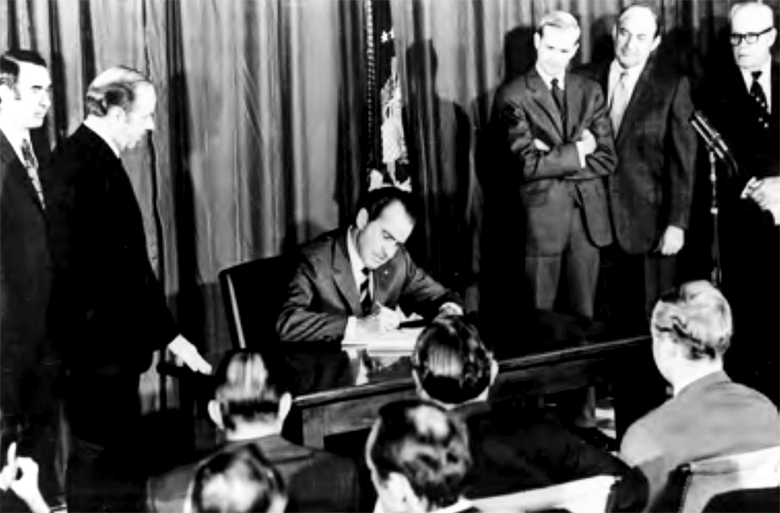
OSHA was created by the Occupational Safety and Health Act of 1970. Its mission is to ensure safe and healthful working conditions by setting and enforcing standards and by providing training, outreach, education, and assistance.
The Occupational Health and Safety Administration (OSHA) is the government agency responsible for administering the primary law governing workplace safety.
OSHA's role includes developing workplace safety rules, conducting inspections to ensure compliance, and investigating serious workplace accidents. By establishing a legal framework for safety, agencies like OSHA provide a baseline of protection for millions of workers across countless industries.
Now, let's check your understanding of these core concepts.
What is the primary goal of Occupational Health and Safety (OHS)?
According to the principles of OHS, who is ultimately responsible for ensuring a safe work environment?
Understanding these fundamentals is the first step toward creating a culture where everyone feels responsible for maintaining a safe and healthy work environment.