Foundations of Wilderness Survival
Survival Mindset
Your Brain, Your Best Tool
Before you learn how to build a shelter or find water, you need to master your most important survival tool: your mind. In an unexpected crisis, your psychological state is the single biggest factor determining the outcome. A calm, focused mind can solve problems and find a way out of almost any situation. Panic, on the other hand, is the real enemy.
More than any other skill, your attitude determines how successful you are in a survival situation.
Cultivating a survival mindset means training yourself to manage stress, stay aware of your surroundings, and make clear decisions, even when things go wrong. These are not abstract ideas; they are practical skills you can develop.
Managing Stress
When faced with a threat, your body floods with adrenaline. This is the classic "fight-or-flight" response. Your heart races, your breathing quickens, and your focus narrows to the immediate danger. While helpful for short bursts, prolonged stress impairs judgment. It can lead to tunnel vision, where you miss important details, or analysis paralysis, where you're unable to make any decision at all.
The key is to interrupt this spiral. One of the most effective techniques is simply to control your breathing. Taking slow, deliberate breaths sends a signal to your brain that the immediate danger has passed, allowing your rational mind to come back online.
A simple method to regain control is the S.T.O.P. acronym: Stop what you're doing. Take a few deep breaths. Observe your situation and your thoughts. Proceed with a clear plan.
Situational Awareness
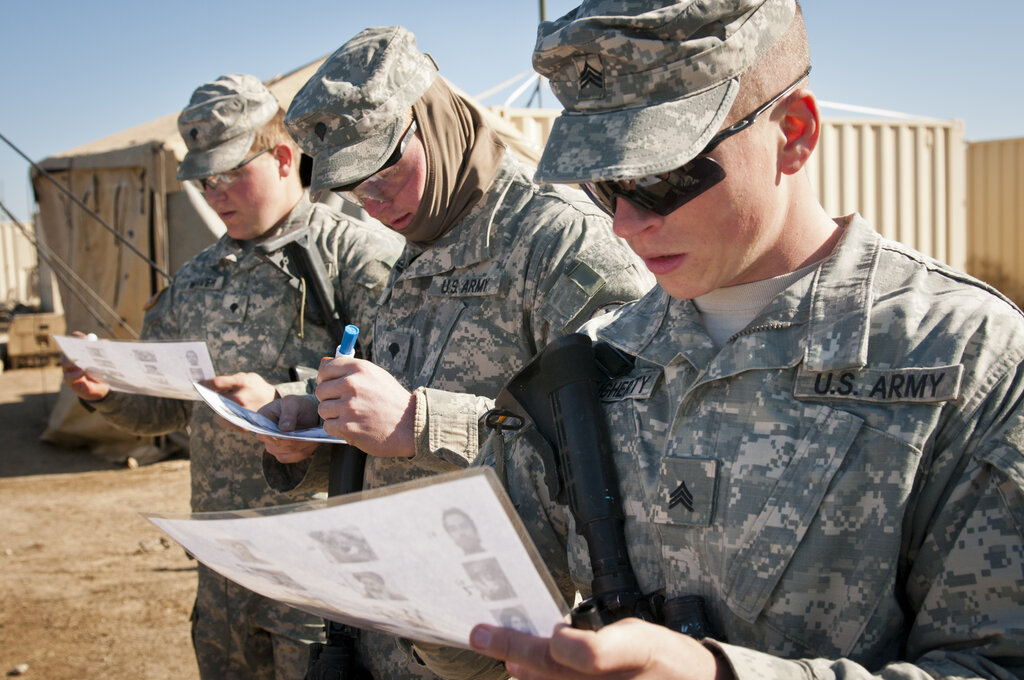
Situational awareness is about understanding what’s happening around you and what it means for the future. It's not about being paranoid; it's about being present. Most of the time, we move through the world on autopilot. Developing awareness means paying active attention to your environment.
Start by establishing a baseline wherever you are. What does it normally look, sound, and feel like? In a city, that might be the hum of traffic and chatter of people. In a forest, it’s the sound of birds and wind in the trees. Once you know the baseline, you can more easily spot anomalies — things that are out of place. A sudden silence in the woods or a person moving against the flow of a crowd are deviations that warrant your attention.
This process of observing your environment, orienting yourself to the new information, deciding on a course of action, and then acting is a continuous cycle. The faster you can move through this loop, the better you can adapt to changing conditions.
Making Decisions Under Pressure
Stress makes decision-making difficult. When you're scared or exhausted, your brain looks for the simplest, fastest solution, which isn't always the best one. A survival mindset involves forcing a moment of deliberate thought before acting.
A crisis simplifies your priorities. Instead of worrying about a dozen things, focus on the immediate needs. This is often summarised by the "Rule of Threes."
| Time Without | Priority |
|---|---|
| 3 Minutes | Air (Oxygen) |
| 3 Hours | Shelter (from exposure) |
| 3 Days | Water |
| 3 Weeks | Food |
This hierarchy helps you prioritise. If you're exposed to freezing rain, building a shelter is far more important than finding food. By using a simple framework like this, you can cut through the mental fog of stress and make a logical choice about your next move.
Let's review the key ideas before testing your knowledge.
Now, see how well you've grasped these foundational concepts.
What is considered the single most important factor in determining the outcome of a survival situation?
In a stressful situation, what is one of the most effective immediate techniques to counteract the 'fight-or-flight' response and regain rational thought?
Developing a survival mindset is the first and most critical step in being prepared. With a calm and aware mind, you are equipped to learn the physical skills that come next.