Foundations of Startup Founding
Startup Fundamentals
What Makes a Startup?
A startup isn’t just a new business. It’s a temporary organization built to find a repeatable and scalable business model. Think of it as an experiment. The founders have a hypothesis about what customers want and how to deliver it, and the startup's job is to test that hypothesis as quickly as possible.
The goal is to move from a state of high uncertainty to a stable, growing company. Once it finds that successful model, it stops being a startup and starts becoming a mature business.
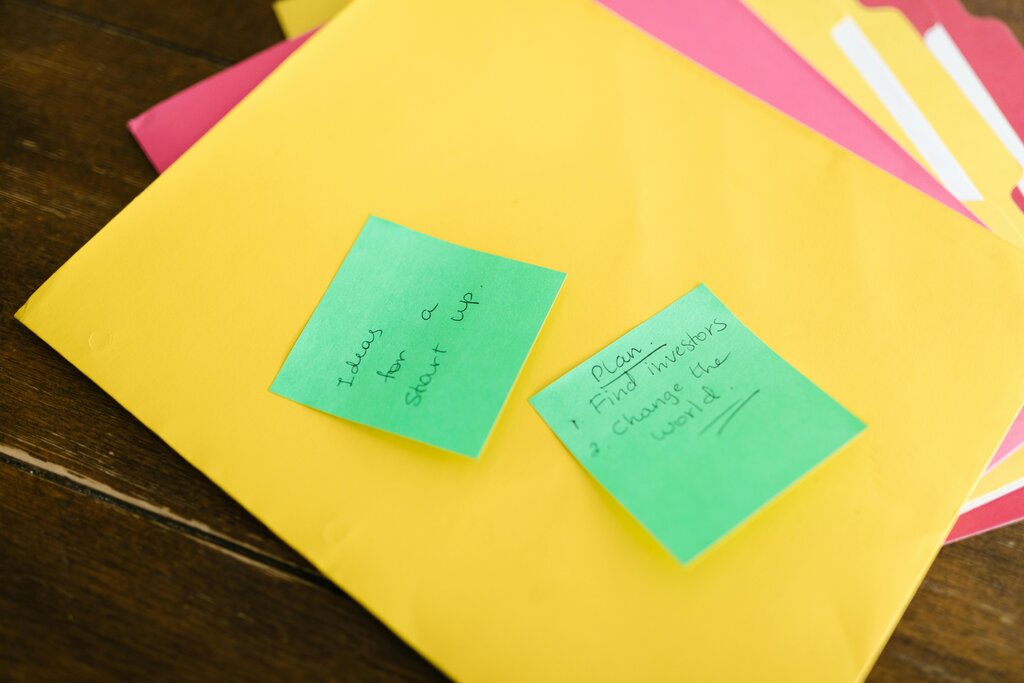
Unlike a new local coffee shop that follows a well-understood playbook, a startup ventures into the unknown. It might be creating a new market entirely or radically changing an existing one. This drive for rapid growth and innovation is what truly sets a startup apart.
Startups vs. Traditional Businesses
Imagine opening a restaurant. You know you need a location, a menu, cooks, and servers. The path to profitability is clear, even if it's hard. Now, imagine you want to create an app that uses AI to generate personalized meal plans based on a user's health data and local grocery store inventory. There is no playbook for this.
That's the core difference. A traditional business executes on a known, proven business model. A startup searches for one.
| Startup | Traditional Business | |
|---|---|---|
| Goal | Rapid growth and scale | Profitability and stability |
| Innovation | Disruptive, creates new markets | Incremental, improves existing models |
| Funding | Often relies on external investors | Self-funded or traditional loans |
| Risk | Very high risk of failure | Lower, more predictable risk |
Because startups are built for speed and scale, they often embrace technology to reach a massive audience. A single restaurant can only serve its local neighborhood. A food-tech app can potentially serve the entire world.
Risks and Rewards
The path of a startup is paved with uncertainty. Most startups fail. They run out of money, the market isn't ready for their idea, or a competitor moves faster. The risk is immense, not just financially but also personally, demanding long hours and intense dedication from its founders.
So why do it? The potential rewards are just as significant. A successful startup can generate enormous wealth for its founders and investors. More importantly, it can fundamentally change how people live and work. Think about how companies like Airbnb or Spotify have reshaped their industries. That impact is a powerful motivator.
The reward isn't just financial. It's about building something from nothing and solving a problem that truly matters to people.
The Entrepreneurial Mindset
A great idea is only the beginning. The success of a startup hinges on the mindset of its founders. It takes a specific set of traits to navigate the chaotic, high-pressure world of entrepreneurship.
Startups are often characterized by setbacks and obstacles.
Resilience is non-negotiable. You will hear "no" constantly. Experiments will fail. Products will have bugs. A successful entrepreneur sees these moments not as failures, but as learning opportunities. They have the grit to get back up, learn the lesson, and try a new approach.
Adaptability is just as crucial. The original idea is almost never the one that ultimately succeeds. Founders must be willing to listen to customer feedback and pivot, changing their product or even their entire business model. Being stubborn about a vision is good; being unwilling to adapt to reality is fatal.
Let's check your understanding of these core concepts.
What is the primary purpose of a startup?
Which of the following best exemplifies the key difference between a startup and a new traditional business like a local bakery?
Building a startup is a marathon, not a sprint. It begins with understanding these fundamental principles: a search for a business model, a tolerance for risk, and a resilient mindset ready for the challenges ahead.