Foundations of Software Engineering
Introduction to Software Engineering
What is Software Engineering?
Think about building a doghouse versus building a skyscraper. For the doghouse, you might just grab some wood and nails and start building. For the skyscraper, you need architects, blueprints, structural engineers, and a detailed plan. The stakes are much higher, and the complexity is enormous.
Building software is similar. A simple script to automate a task is like the doghouse. But a complex application like a banking system or a social media platform is a skyscraper. You can't just start coding and hope for the best. You need a disciplined, structured approach. That's what software engineering is all about.
Software engineering involves analyzing user requirements then designing, developing, testing, and maintaining software applications to satisfy those requirements.
It’s the application of engineering principles to software development. The goal isn't just to write code that works now, but to create high-quality software that is reliable, efficient, and easy to maintain over time. Without this discipline, large software projects can quickly become messy, expensive, and prone to failure.
The Blueprint for Software
Just as builders follow a blueprint, software engineers follow a process. The most common framework for this is the Software Development Lifecycle, or SDLC. It's a roadmap that guides a project from an initial idea to a finished product and beyond.
The SDLC breaks down the massive task of building software into a series of manageable stages. While the specific names of the stages can vary, they generally cover planning, designing, building, testing, deploying, and maintaining the software.
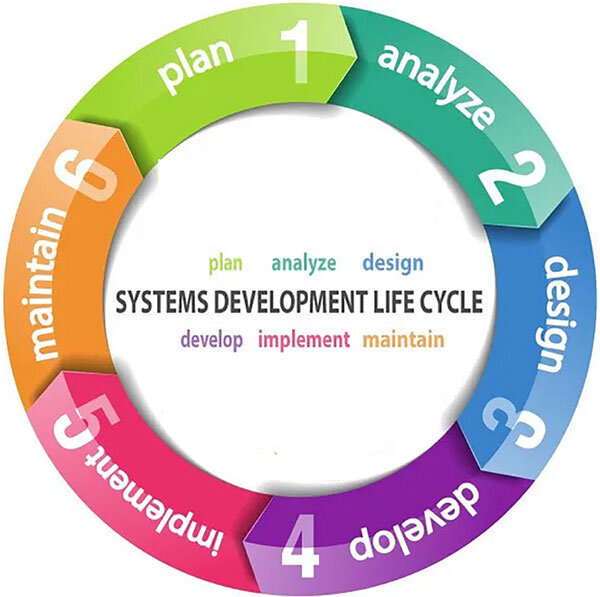
This structured process helps teams stay organized, meet requirements, and catch errors early. It ensures that everyone involved, from developers to project managers, has a clear understanding of the project's goals and progress.
The Role of a Software Engineer
So, what does a software engineer actually do? Writing code is a big part of the job, but it’s far from the only thing. A software engineer is a problem-solver first and a coder second.
Their responsibilities span the entire SDLC. They might start by talking with clients to understand their needs. Then, they'll design the software's architecture, much like an architect designs a building. They collaborate with other engineers, write and test code, fix bugs, and work on updating and improving the software after it's been released.

Software engineers are creative thinkers who build the digital tools we use every day. They work on teams to tackle complex challenges, constantly learning new technologies and improving their craft.
Key responsibilities include:
- Analyzing user needs
- Designing software systems
- Writing and testing code
- Maintaining and updating existing software
- Collaborating with a team
Ready to check your understanding?
The 'doghouse vs. skyscraper' analogy is used to illustrate:
According to the text, a software engineer's role is primarily focused on writing code.
In short, software engineering provides the structure and principles needed to build complex, reliable software. It transforms the art of programming into a repeatable, manageable engineering discipline.