Foundations of Software Architecture
Introduction to Software Architecture
What Is Software Architecture?
Think about building a house. Before anyone lays a single brick, there’s a blueprint. This plan shows where the rooms go, how the plumbing connects, and where the electrical wiring runs. It ensures the house is stable, functional, and meets the owner's needs. Software architecture is the blueprint for a software system.
The software architecture of a system is the set of structures needed to reason about the system, which comprise software elements, relations among them, and properties of both.
In simpler terms, it’s the high-level structure of the system. It defines the main components, how they interact with each other, and the rules governing their organization. It’s not about the nitty-gritty details of the code, like the specific algorithms or data structures used inside a component. Instead, it’s about the big picture, the fundamental choices that shape the entire system.
Why Architecture Matters
A good blueprint is the difference between a sturdy skyscraper and a house of cards. The same is true for software. A well-designed architecture is critical for creating a system that works well now and can adapt to future needs. The decisions made at the architectural level have long-lasting effects on the project's success. Let's look at a few key qualities that architecture directly influences.
| Quality | Description |
|---|---|
| Scalability | Can the system handle growth? If user numbers triple, the architecture determines if it can grow to meet the demand without breaking. |
| Reliability | Does the system work consistently? A reliable architecture ensures the software performs as expected and is resilient to failures. |
| Maintainability | How easy is it to fix bugs or add new features? A clean, well-organized architecture makes the system easier to understand and modify over time. |
| Performance | Is the system fast and responsive? Architectural choices, like how data flows, directly impact speed and efficiency. |
These are often called non-functional requirements or "quality attributes." They aren’t specific features, but they are crucial for a good user experience and the long-term health of the software.
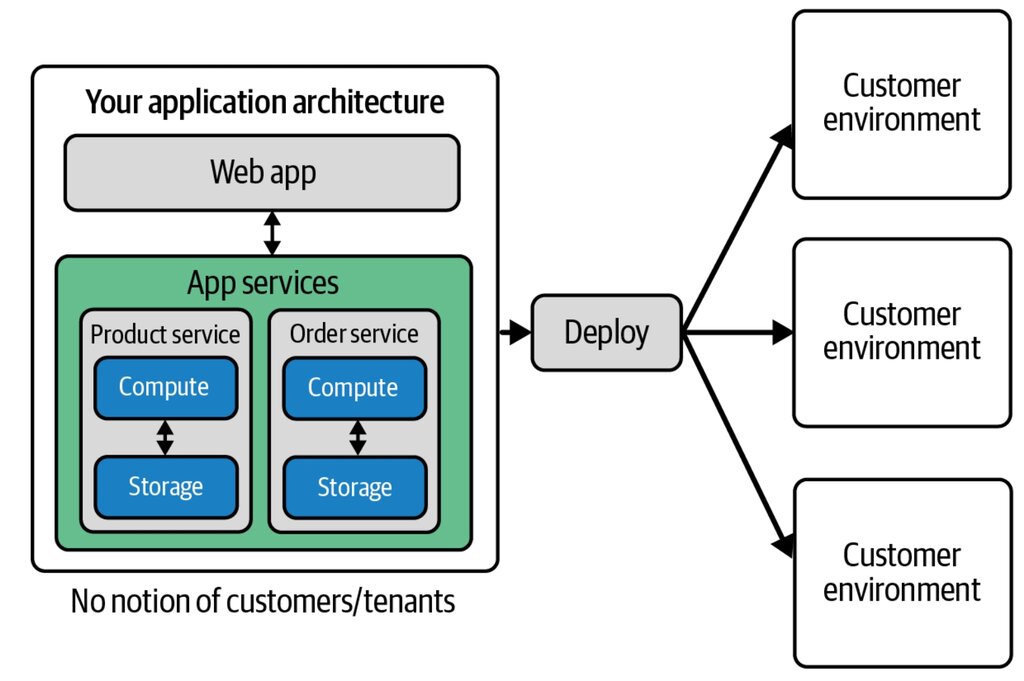
The Blueprint for Success
Beyond guiding the technical aspects, software architecture serves as a vital communication tool. It creates a shared vision that everyone involved in the project can understand and follow.
A clear architectural plan helps different teams work together effectively. Developers understand how their piece of the puzzle fits into the whole. Project managers can plan tasks and allocate resources more accurately. Even non-technical stakeholders, like clients or executives, can get a high-level view of the system's structure and progress.
This shared understanding prevents misunderstandings, reduces wasted effort, and helps keep the project on track. It's the map that guides the entire development process from start to finish.
To create a solid blueprint, architects rely on a set of fundamental principles. These are not strict rules but rather guidelines that help in making good design decisions. One of the most common is the separation of concerns, which suggests that a system should be divided into distinct parts, with each part handling a specific responsibility. This makes the system easier to build, test, and maintain.
For example, in a web application, the user interface (what you see), the business logic (the rules of how it works), and the data storage (the database) are often separated into different layers. A change to the user interface shouldn't require a change to the database.
Thinking about architecture from the beginning is a crucial step in building successful software. It sets the foundation for a system that is not only functional but also robust and ready for the future.
What is the most fitting analogy for software architecture?
Which of the following would be considered a low-level detail that software architecture is NOT primarily concerned with?