Foundations of Scientific Literacy
Introduction to Science
What Is Science?
Science isn't just a big book of facts to memorize. It's a way of thinking and a process for understanding the world. Think of it as a methodical journey of asking questions, making observations, and exploring how things work.
At its heart, science is a systematic method for studying the natural world. It relies on observation, experimentation, and testing to build a reliable body of knowledge. It's a process of discovery that helps us explain why things happen the way they do.
At its core, science is a way of thinking, a methodical journey through questioning, observing, and exploring the world around us.
The Scientific Method
To keep this process organized and reliable, scientists use a structured approach called the scientific method. It's like a recipe for inquiry, providing a path from a simple question to a well-supported conclusion. While it can be flexible, it generally follows a clear set of steps.
- Ask a Question: It starts with curiosity. You notice something and wonder why it happens.
- Do Background Research: Look up what's already known about your question.
- Form a Hypothesis: Propose a testable explanation or a prediction.
- Test with an Experiment: Design and conduct an experiment to see if your hypothesis is correct.
- Analyze the Data: Look at the results of your experiment. What did you find?
- Draw a Conclusion: Decide if your results support or reject your hypothesis. From here, you might ask new questions, and the cycle begins again.
Evidence Is Everything
The most important part of science is evidence. An idea is only as good as the evidence that supports it. This is what separates science from opinion. Your personal beliefs or feelings don't change the results of an experiment.
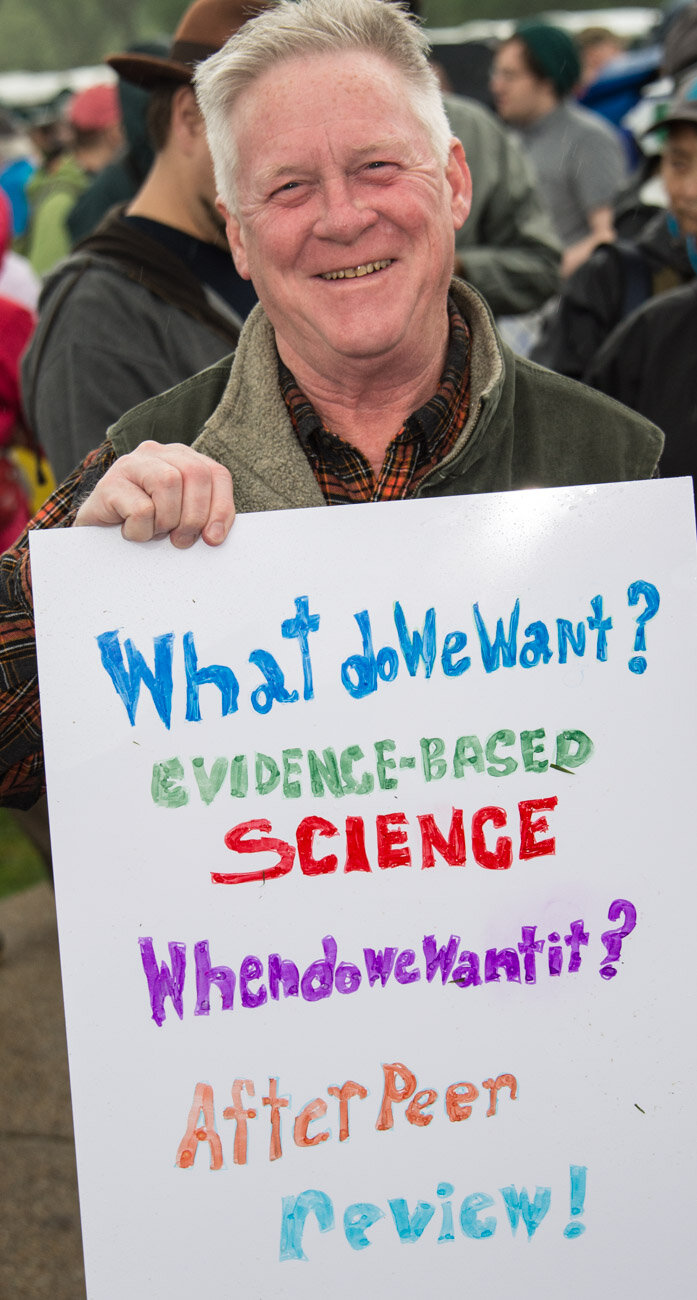
This commitment to data is called evidence-based reasoning. It means that conclusions must be based on observable, measurable, and repeatable evidence. If new evidence comes along that contradicts an old idea, scientists must be willing to change their minds. This self-correcting nature is one of science’s greatest strengths.
Other Ways of Knowing
Science is a powerful tool, but it isn't the only way we make sense of the world. Art, philosophy, history, and religion are also ways of exploring human experience and knowledge. They ask different kinds of questions and use different methods to find answers.
The key difference is that science focuses exclusively on the natural world and seeks explanations that can be tested. A scientific claim must be falsifiable, meaning there must be some conceivable evidence that could prove it wrong.
| Science | Philosophy | |
|---|---|---|
| Goal | To explain the natural world | To explore fundamental questions about existence, knowledge, and values |
| Method | Observation & Experimentation | Logic & Reasoning |
| Questions | What is it made of? How does it work? | Why are we here? What is a good life? |
Questions about morality, meaning, or beauty fall outside the scope of science. While a scientist can study the physics of a sunset, it takes an artist to capture its beauty on canvas. Both perspectives are valuable, but they operate in different realms.
What is the primary foundation of scientific knowledge?
A student proposes that "classical music is more beautiful than rock music." Why is this statement not a scientific hypothesis?
Understanding what science is, and what it isn't, is the first step toward thinking like a scientist. It's a process of curious, evidence-based exploration that anyone can learn.