Foundations of Scientific Literacy
What Is Science
What is Science, Really?
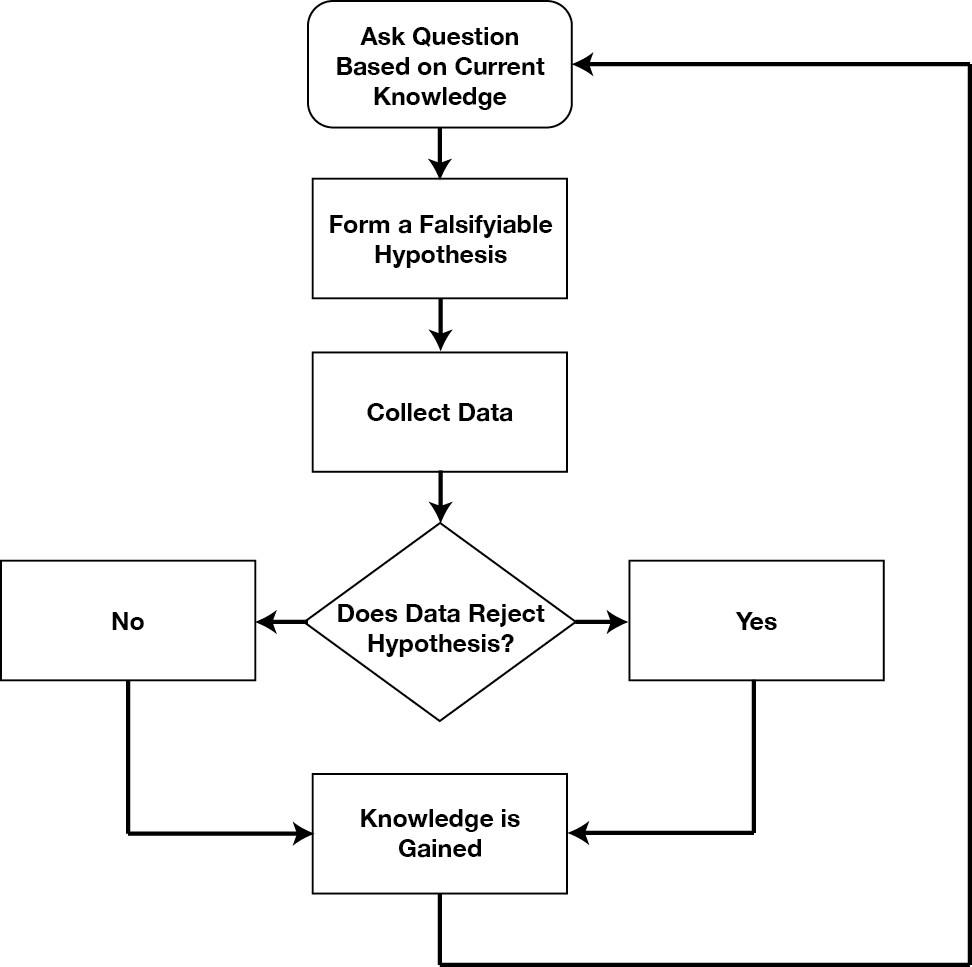
Science isn't just a collection of facts in a textbook. It's a way of understanding the world. Think of it as a systematic process for figuring things out. It's a conversation with nature, where we ask questions, listen carefully to the answers we get from observation and evidence, and then ask even better questions.
At its heart, science is driven by curiosity. It's the process of building and organizing knowledge about the universe in the form of testable explanations and predictions. It’s not about having all the answers, but about having a reliable method for seeking them.
The Hallmarks of Science
What makes an idea scientific? It’s not about how complicated it sounds. Scientific knowledge has a few key characteristics that set it apart.
First, it relies on observable, empirical evidence. This means it’s based on data you can collect through your senses, whether by looking, measuring, or running an experiment. It's not based on opinion or personal belief.
Second, scientific ideas must be testable. More importantly, they must be falsifiable. This is a crucial concept. It means there has to be a way to prove the idea wrong. If an idea can't be tested or proven false, it falls outside the realm of science.
Falsifiable
adjective
The capacity for a statement, theory, or hypothesis to be contradicted by evidence. For an idea to be scientific, it must be possible to conceive of an observation or an experiment that could prove it false.
Finally, science is a community effort. Knowledge is built over time, with scientists reviewing, challenging, and building upon each other's work. It's a self-correcting process. An idea that survives repeated testing from many different angles gains strength, but no scientific idea is ever considered 100% final. New evidence can always lead to new understanding.
Science is a process of discovery, not a book of answers. Its conclusions are always open to being revised by new evidence.
Why Scientific Literacy Matters
Understanding what science is and how it works is called scientific literacy. It’s not about memorizing the periodic table. It's about being able to think critically about the world and make informed decisions.
Every day, you encounter situations where scientific literacy is useful. Should you take a new supplement that promises amazing results? Is that news article about climate change based on solid evidence? Understanding the basics of science helps you navigate a world full of information and misinformation.
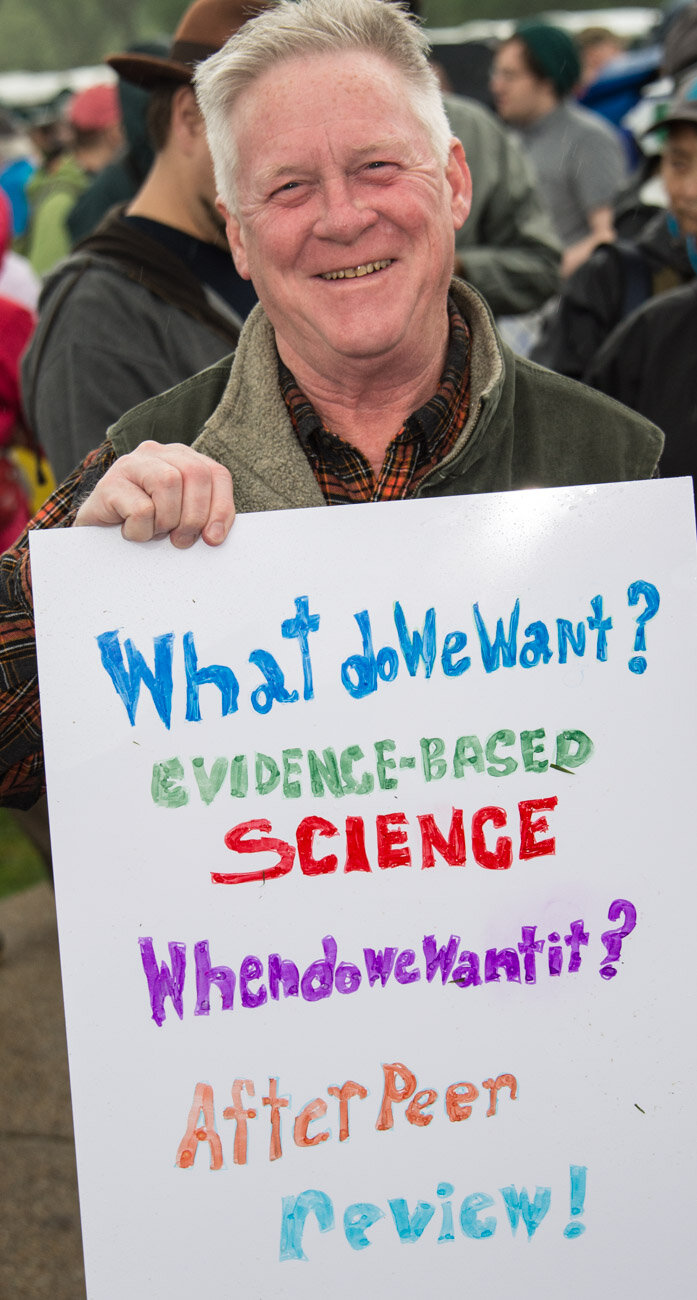
Being scientifically literate means you can distinguish good science from pseudoscience. It empowers you to participate in important conversations about public health, environmental policy, and new technologies. In short, it’s a vital tool for responsible citizenship in the 21st century.
Scientific literacy transcends knowledge of facts; it is the capacity to use science in everyday life in order to make informed decisions.
Science vs. Other Ways of Knowing
Humans have many ways of understanding and interacting with the world. Art helps us explore emotion and beauty. Philosophy tackles questions of logic and morality. Religion addresses matters of faith and ultimate meaning. These are all valuable ways of knowing, but they are distinct from science.
The key difference lies in the reliance on empirical evidence and falsifiability. A painting can evoke a powerful feeling, but it can't be proven "wrong." A philosophical argument is judged on its logical consistency, not necessarily on experimental data. Science, on the other hand, limits its scope to questions that can be investigated through observation and measurement.
| Way of Knowing | Primary Goal | Method | Type of Question |
|---|---|---|---|
| Science | To explain the natural world | Observation & Experimentation | How does gravity work? |
| Art | To express emotion & ideas | Creation & Interpretation | What is beauty? |
| Philosophy | To explore fundamental truths | Logic & Reason | What is a just society? |
| Religion | To address spiritual meaning | Faith & Revelation | What is our purpose? |
Science doesn't claim to have answers to all questions. It can't tell you who to love or what makes a good life. But for questions about the physical and natural world, it is the most reliable tool we have.
What is the most fundamental characteristic of a scientific idea?
A company advertises a new crystal that they claim improves focus by 'balancing your energy fields.' From a scientific perspective, why is this claim likely pseudoscientific?
Understanding the core nature of science is the first step toward building your scientific literacy. It provides the foundation for evaluating information and appreciating the incredible process of human discovery.