Foundations of Road Safety
Introduction to Road Safety
The Why Behind the Rules
Traffic laws aren't just about avoiding a ticket. At their core, they represent a shared agreement to protect human life. Every time you get behind the wheel, walk across a street, or cycle in a bike lane, you enter a space with others. The rules that govern this space are built on a simple ethical foundation: a duty to prevent harm.
This isn't just one person's job. Road safety is a shared responsibility. It rests on the shoulders of drivers paying attention, pedestrians crossing carefully, and cyclists signaling their turns. But it also extends to the engineers who design our roads and the policymakers who set the speed limits. Everyone has a part to play in creating a safe environment.
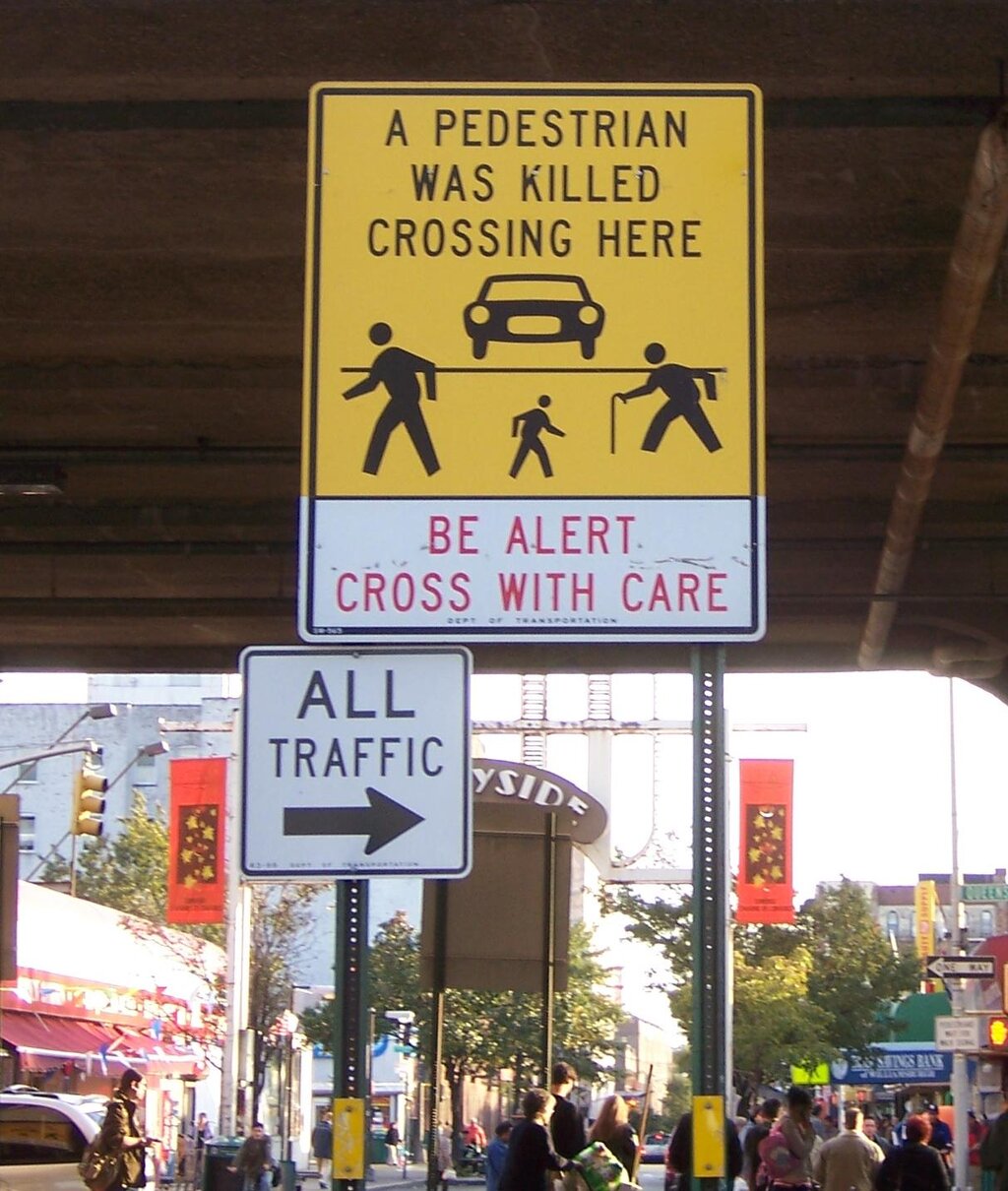
When someone fails to uphold their end of this agreement—by speeding, texting while driving, or ignoring a crosswalk—they aren't just breaking a rule. They are putting the well-being of others at risk. Acknowledging this shared responsibility is the first step toward safer roads for everyone.
Rules of the Road, Then and Now
The roads we use today are part of a long history, but the rules governing them are surprisingly recent. For centuries, roads were chaotic spaces where pedestrians, horses, and carts navigated with little formal regulation. The arrival of the automobile in the late 19th century changed everything.
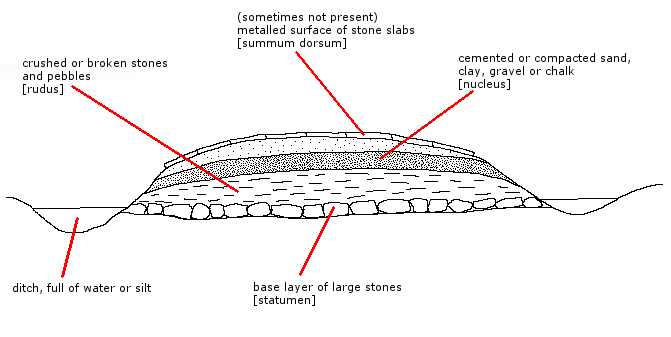
Suddenly, vehicles were moving faster than ever before, creating new and deadly dangers. The first traffic laws were born out of necessity, often as a patchwork of local ordinances. A town might ban cars from certain streets or impose a speed limit of 10 miles per hour. Over time, as more people owned cars and traveled farther, it became clear that a standardized system was needed. This led to the development of the traffic signs, signals, and national laws we recognize today.
A Smarter Approach to Safety
For many years, the approach to road safety focused on preventing human error. The thinking was that if we could just make people perfect drivers, pedestrians, and cyclists, we could eliminate accidents. While education is crucial, this view has a fundamental flaw: people will always make mistakes.
A more modern philosophy, known as the Safe System Approach, accepts this reality. Instead of aiming for perfect human behavior, it focuses on building a transportation system where simple mistakes don't lead to death or serious injury.
This approach builds multiple layers of protection. For instance, a road might have rumble strips to alert a drifting driver (safe roadsides), a car might have automatic emergency braking (safe vehicles), and the speed limit might be set to a level where a crash is survivable (safe speeds). The goal is to create a system that is forgiving of human error.
This shift in thinking is crucial. It moves the responsibility from being solely on the road user to being shared among everyone who designs, builds, and manages the road system.
Now let's check your understanding of these fundamental principles.
What is the core ethical foundation of traffic laws, as described in the text?
According to the text, who holds the responsibility for road safety?