Foundations of Real Estate Automation
Introduction to Building Automation Systems
The Brain of the Building
Think of a large building like an office tower or a hospital. It has dozens of independent systems running at once: heating, cooling, lights, elevators, security cameras, and more. A Building Automation System, or BAS, is the central nervous system that connects and controls all of them.
Instead of having separate controls for everything, a BAS integrates these systems into a single, smart platform. It acts as a centralized command center, allowing building managers to monitor and manage everything from one place. This isn't just about convenience; it’s about making the entire building work smarter and more cohesively.
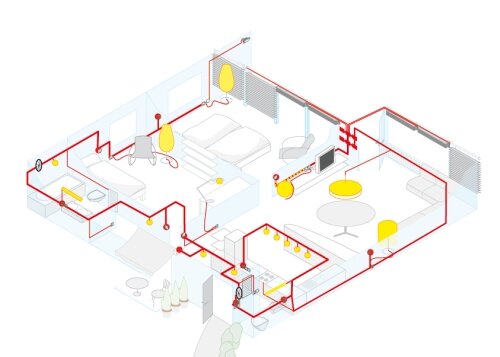
Bringing Systems Together
A BAS coordinates a wide range of building functions that would otherwise operate in isolation. The most common systems managed by a BAS include:
- HVAC: Heating, Ventilation, and Air Conditioning systems are often the biggest energy consumers in a building. A BAS can optimize their performance based on occupancy, time of day, and even the weather forecast.
- Lighting: It can control indoor and outdoor lighting, turning lights off in unoccupied rooms or adjusting brightness based on the amount of natural daylight available.
- Security and Access: By integrating systems like keycard access, surveillance cameras, and alarms, a BAS can enhance safety. For example, it can track who enters and leaves a building and ensure doors are locked after hours.
- Fire and Life Safety: The system can monitor smoke detectors and sprinkler systems, automatically notifying emergency services and guiding occupants to safety during an alarm.
By linking these systems, a BAS creates powerful efficiencies. If the security system detects no one is on a floor, it can tell the HVAC and lighting systems to power down in that area, saving energy without any human intervention.
The Big Payoffs
The integration offered by a BAS leads to three major benefits for property owners and managers.
Energy Efficiency: By intelligently managing lighting and HVAC, a BAS can slash a building's energy consumption, sometimes by as much as 30%. It avoids waste by ensuring energy is only used when and where it's needed.
This smart management of resources directly leads to the second key advantage.
Operational Cost Reduction: Lower energy bills mean significant savings. A BAS also helps reduce maintenance costs by monitoring equipment performance, flagging potential issues before they become costly breakdowns, and running systems more efficiently to extend their lifespan.
Beyond the financial savings, a BAS makes buildings better places for people to be.
Improved Occupant Comfort: The system maintains consistent temperature, air quality, and lighting levels. This creates a more comfortable and productive environment for everyone inside the building.
Modern building control systems adopt demand control heating, ventilation, and cooling (HVAC) for increased energy efficiency.
Time to review the key ideas from this section.
Let's check your understanding.
What is the primary function of a Building Automation System (BAS)?
An office building's BAS notes that no one has badged into the 4th floor after 7 PM on a weekday. How might the system use this information?
In short, a Building Automation System transforms a collection of separate parts into one intelligent, responsive, and efficient whole. It's a foundational element of modern real estate, making buildings cheaper to operate, more sustainable, and more comfortable for the people who use them every day.