Foundations of Reading
Letter Recognition
The Building Blocks of Reading
Every word you read is made up of smaller pieces called letters. Think of them like Lego bricks. Before you can build a castle, you need to know what each individual brick looks like. Learning to read is the same. The first step is to get familiar with the 26 letters of the English alphabet.
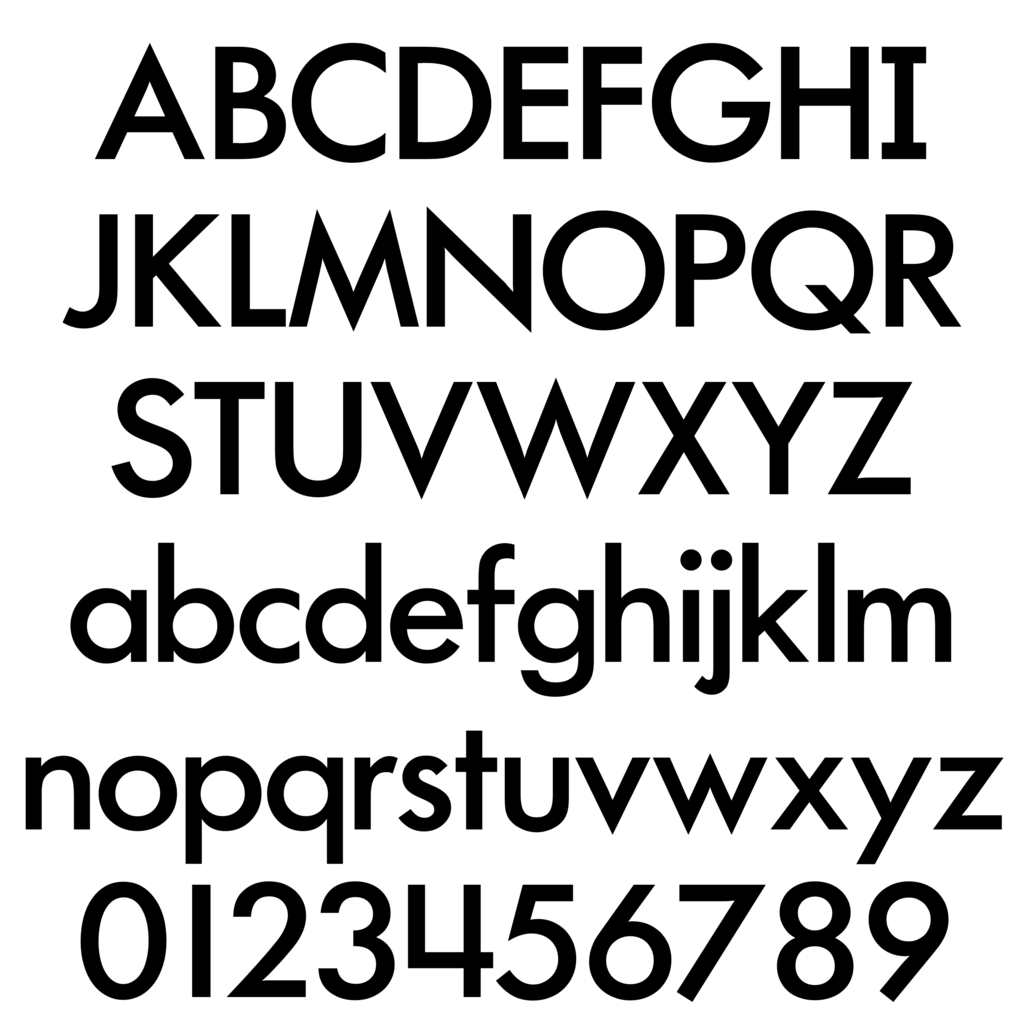
Recognizing these shapes is the foundation for everything that comes next. The goal is to see any letter and instantly know its name.
Big Letters and Small Letters
You might have noticed that each letter comes in two different forms: a big one and a small one. The big letters are called uppercase or capital letters, and the small ones are called lowercase. For example, 'A' is the uppercase form, and 'a' is the lowercase form.
Even though they look different, they are the same letter and make the same sound. We use uppercase letters for specific jobs, like starting a sentence or for names like 'Anna'. Most of the letters you'll see in books are lowercase.
| Uppercase | Lowercase |
|---|---|
| A | a |
| B | b |
| C | c |
| D | d |
| E | e |
Every letter has two forms, but they both represent the same sound.
Every Letter Makes a Sound
Knowing a letter's name is important, but knowing its sound is the real key to reading. Each letter represents at least one specific sound. For example:
- The letter B makes the /b/ sound you hear at the beginning of the word "ball."
- The letter S makes the /s/ sound you hear in "snake."
- The letter M makes the /m/ sound in "moon."
This connection between a letter's shape and its sound is the magic behind reading.
Phonics
noun
The method of teaching reading by learning the sounds that letters and groups of letters make.
As you practice, you'll start to automatically connect the letter 'T' with the /t/ sound in "tiger" or the letter 'P' with the /p/ sound in "pig." Don't worry about blending sounds together yet. For now, just focus on one letter and one sound at a time.
Practice Writing the Letters
Writing letters helps lock their shapes into your memory. The physical act of tracing or drawing a letter reinforces what it looks like, making it easier to recognize when you see it again. It connects the visual shape with the muscle memory in your hand.
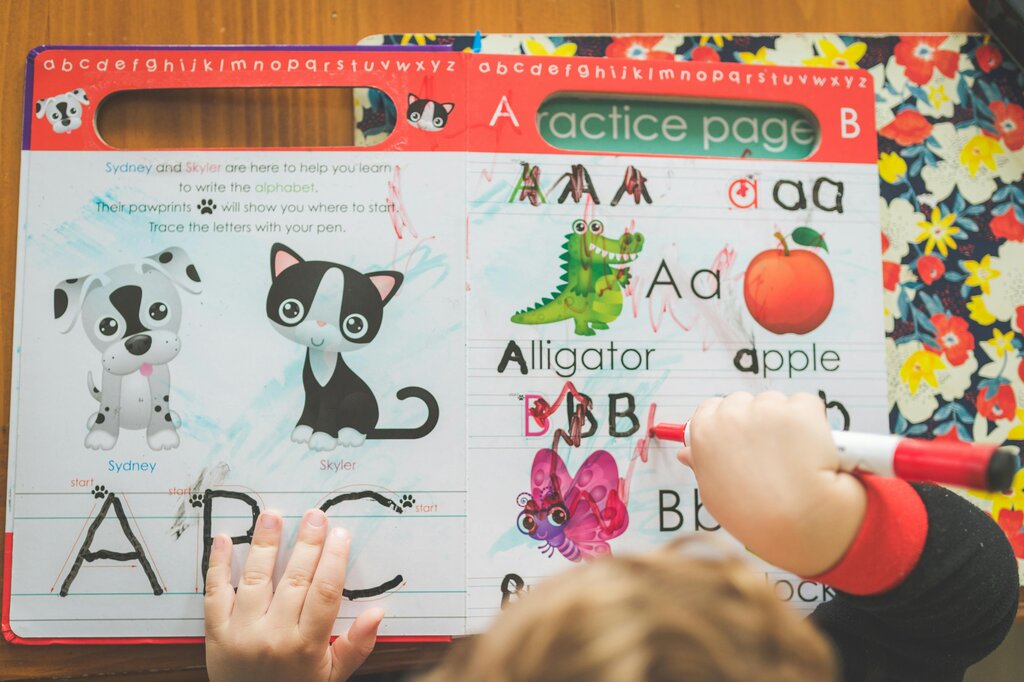
Try writing each letter, both uppercase and lowercase. Say the letter's name and its most common sound as you write. For example, as you write a big 'B' and a small 'b', say "B says /b/." This combines seeing, doing, and hearing, which is a powerful way to learn.
Mastering the alphabet is the first key to reading and writing.
Time to practice what you've learned about letter names and sounds.
What are the 'big' letters, like 'A', 'B', and 'C', called?
Which letter makes the sound you hear at the beginning of the word 'moon'?
Great job. Recognizing letters and their sounds is the essential first step on your journey to becoming a confident reader.