Foundations of Psychology
Introduction to Psychology
What Is Psychology?
At its core, psychology is the scientific study of the mind and behavior. It's a field dedicated to understanding what makes us tick: why we think, feel, and act the way we do. This involves looking at everything from the firing of a single neuron in the brain to the complex interactions within a large social group.
Psychology
noun
The scientific study of mind and behavior, encompassing conscious and unconscious phenomena as well as thought.
When psychologists talk about "behavior," they mean any action that can be observed and measured, like talking, crying, or hitting a baseball. "Mental processes" refer to our internal experiences, such as thoughts, feelings, memories, and dreams. Psychology bridges the gap between these inner worlds and our outward actions.
A Quick Trip Through Time
While people have been wondering about the human mind for millennia, psychology as a formal science is relatively young. Its roots lie in philosophy, but it branched off to become its own discipline in the late 19th century.
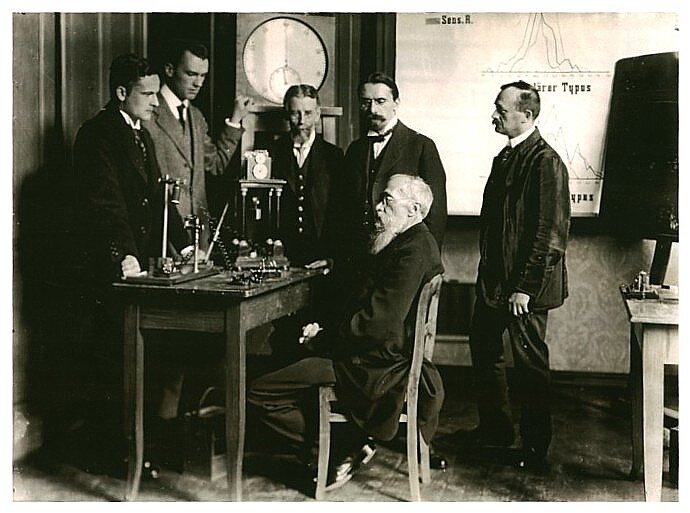
A pivotal moment came in 1879 when Wilhelm Wundt opened the first-ever psychology laboratory in Leipzig, Germany. Wundt's approach, known as structuralism, aimed to break down mental processes into their most basic components, much like a chemist analyzes a compound.
Across the Atlantic, American psychologist William James championed a different perspective called functionalism. He was less interested in the components of the mind and more focused on the purpose of consciousness and behavior. He wanted to know how the mind helps us adapt to our environment.
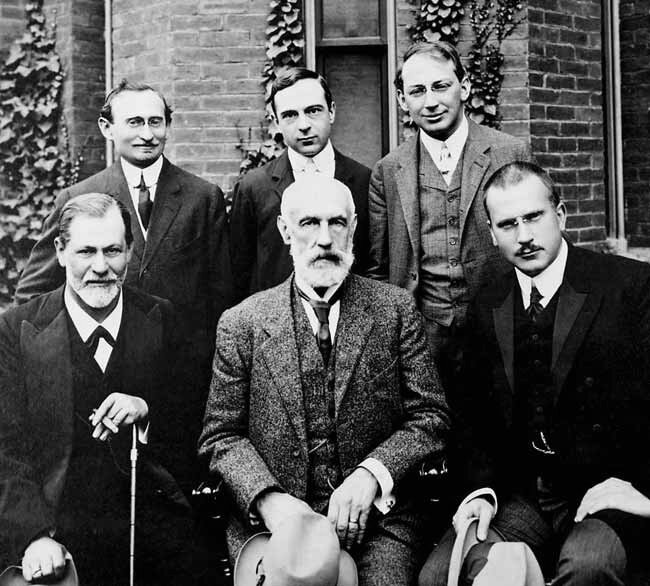
The early 20th century saw the rise of Sigmund Freud and his theory of psychoanalysis. Freud emphasized the role of the unconscious mind and early childhood experiences in shaping personality and behavior.
Reacting against the focus on internal mental states, behaviorists like John B. Watson and B.F. Skinner argued that psychology should only study observable behavior. They believed that behavior is learned through interaction with the environment. Later, the "cognitive revolution" in the 1960s shifted the focus back to mental processes, exploring topics like memory, perception, and problem-solving. This evolution highlights psychology's ongoing quest to understand the full spectrum of human experience.
The Many Faces of Psychology
Psychology is not a single, monolithic field. It's a broad discipline with many specialized areas, each offering a unique lens through which to view the human experience.
Let's look at a few of these branches:
-
Clinical Psychology: This is the area most people think of when they hear "psychology." It focuses on diagnosing and treating mental, emotional, and behavioral disorders, from depression to anxiety.
-
Cognitive Psychology: This field explores our internal mental processes. Cognitive psychologists study topics like attention, memory, perception, language, and problem-solving.
-
Developmental Psychology: Developmental psychologists study how and why human beings change over the course of their life. They might study language acquisition in children, identity formation in adolescents, or cognitive changes in old age.
-
Social Psychology: This branch examines how our thoughts, feelings, and behaviors are influenced by the actual, imagined, or implied presence of others. It covers topics like conformity, prejudice, and attraction.
-
Biological Psychology: Also known as biopsychology or behavioral neuroscience, this field explores the biological bases of behavior. It investigates how the brain, neurons, and nervous system influence our thoughts, feelings, and actions.
Each branch of psychology offers a different piece of the puzzle to help us understand the complex tapestry of human behavior and mental life.
Now that you have a basic understanding of what psychology is and the different forms it can take, let's test your knowledge.
Psychology is best defined as the scientific study of...
Who established the first psychology laboratory in 1879, marking a key moment in the formalization of psychology as a science?
By exploring these different avenues, psychologists build a more complete picture of what it means to be human.