Foundations of Project Management
Project Management Fundamentals
What Makes a Project
A project isn't just a collection of tasks. It's a temporary endeavor designed to produce a unique product, service, or result. Think about the key differences between a project and routine operations. A car factory's assembly line performs the same set of tasks every day to produce thousands of identical cars. That's an operation. Designing a brand new electric vehicle model? That's a project.
Every project has three core characteristics:
- It's temporary. It has a defined beginning and end. The end is reached when the project's objectives have been achieved or when the project is terminated.
- It creates a unique outcome. A project delivers something new, whether it's a tangible product, a new software feature, or a redesigned business process.
- It's progressively elaborated. As a project moves forward, the team learns more, and the plan becomes more detailed and specific.
In short, projects are the primary way organizations introduce change and create new value.
The Project Manager's Role
The project manager is the person responsible for leading the team to achieve the project goals. This role is far more than just tracking deadlines and budgets. A great project manager is a central point of communication, a strategic leader, and a master problem-solver.
Their responsibilities span the entire project lifecycle. They work with stakeholders to define the project's scope and objectives. They build the project plan, outlining tasks, timelines, and resource needs. Throughout the project, they manage the team, track progress, identify risks, and ensure everyone is aligned and informed.
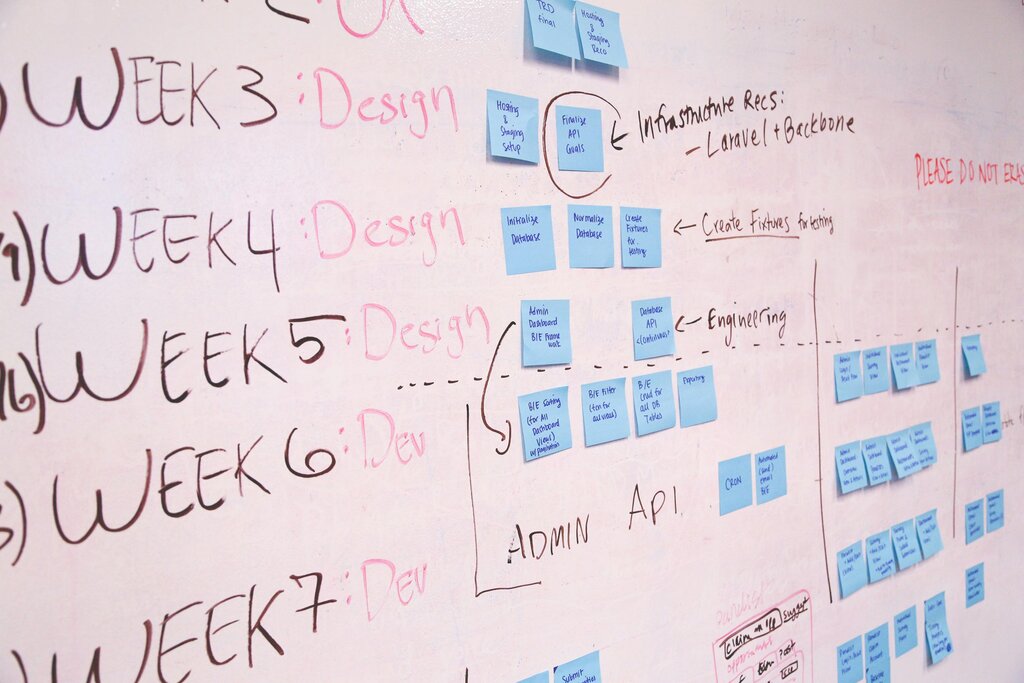
Beyond technical skills like scheduling and budgeting, a project manager relies heavily on soft skills. They facilitate meetings, negotiate with vendors, motivate team members when challenges arise, and communicate complex information clearly to different audiences, from engineers to executives. They are the glue that holds the project together.
The Project Management Process
To bring structure to the chaos of a project, work is typically organized into a series of process groups or phases. While different methodologies label them differently, the fundamental flow is consistent. These phases aren't always strictly sequential; they often overlap as the project evolves.
Let's quickly look at what happens in each phase:
- Initiating: This is where the project is born. The project's value and feasibility are determined, and a formal authorization, often called a project charter, is created. Key stakeholders are identified.
- Planning: The project manager and team develop a comprehensive roadmap. This includes defining the scope, setting a schedule, estimating costs, identifying resources, and planning for risks.
- Executing: The plan is put into action. The team does the work to create the project's deliverables. This phase typically consumes the most time and resources.
- Monitoring & Controlling: This phase runs alongside execution. The project manager tracks progress against the plan, measures performance, and makes adjustments as needed. It's about ensuring the project stays on course.
- Closing: Once the project work is complete, the project is formally closed. This involves handing off deliverables, releasing the project team, and documenting lessons learned for future projects.
Now you've got a handle on the core concepts. Let's test your understanding.
Which of the following best distinguishes a project from routine operations?
The concept that a project plan becomes more detailed as the team learns more and moves forward is known as:
Understanding these fundamentals provides the foundation for navigating any project, no matter its size or complexity.