Foundations of Physiotherapy
Introduction to Physiotherapy
What is Physiotherapy?
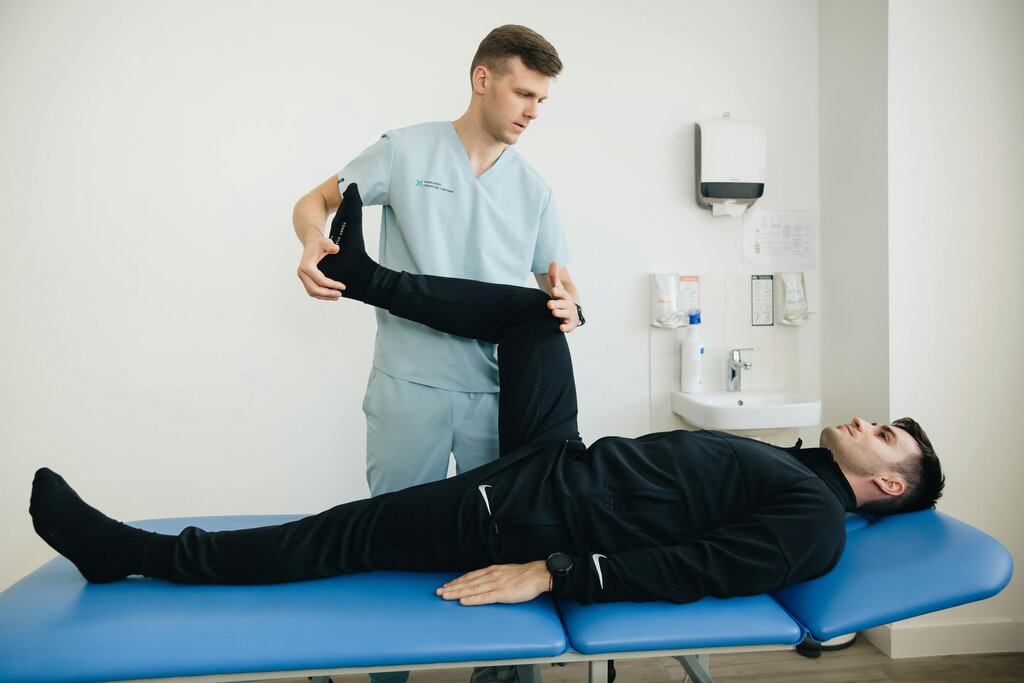
At its heart, physiotherapy is about helping people move and function as well as possible. Think of a physiotherapist, or physical therapist (PT), as an expert in human movement. They use their knowledge of how the body works to diagnose and treat a wide range of health conditions related to bones, muscles, nerves, and joints.
Physiotherapy
noun
A healthcare profession that helps people affected by injury, illness, or disability through movement, exercise, manual therapy, education, and advice.
The scope is broad. It’s not just for athletes recovering from sports injuries. Physiotherapy helps people of all ages with many different problems. This could be an office worker with back pain, an elderly person recovering from a fall, a child with developmental delays, or someone managing a chronic condition like arthritis or multiple sclerosis. The goal is always to improve a person's quality of life by maximizing their physical potential.
From Ancient Roots to Modern Practice
The ideas behind physiotherapy are ancient. Physicians in ancient Greece, like Hippocrates, advocated for massage and manual therapy techniques to treat patients. However, the profession as we know it today began to take shape in the early 19th century in Sweden, where Per Henrik Ling developed a system of gymnastics and massage.
The 20th century was a period of major growth. Two world wars and widespread polio epidemics created a huge need for rehabilitation services. Thousands of soldiers needed help recovering from injuries, and children affected by polio required therapy to regain strength and function. This pushed physiotherapy to become an established and essential part of mainstream medicine.
The core of physiotherapy is a partnership between the therapist and the patient, working together toward shared goals for recovery and health.
Where Physiotherapists Work
Because physiotherapy addresses such a wide variety of issues, you can find physiotherapists in many different environments. Their skills are needed across the entire healthcare system.
| Setting | Role |
|---|---|
| Hospitals | Post-surgery recovery, intensive care, stroke rehabilitation |
| Private Clinics | Treating sports injuries, back pain, and other musculoskeletal problems |
| Schools | Helping children with disabilities or developmental delays participate fully |
| Sports Teams/Clinics | Injury prevention, performance enhancement, and immediate injury care |
| Community Health Centers | Health promotion, managing chronic conditions, home care for the elderly |
| Workplaces | Ergonomic assessments and preventing work-related injuries |
This variety allows physiotherapists to specialize in areas like pediatrics, geriatrics, sports medicine, or neurology.
Prevention and Rehabilitation
Physiotherapy is not just about reacting to injury; it's also about preventing it. Therapists educate people on how to move safely, whether they're lifting heavy objects at work or training for a marathon. They create exercise programs to strengthen weak areas, improve balance, and increase flexibility, all of which reduce the risk of future problems.
When injury or illness does occur, rehabilitation is the primary focus. A physiotherapist guides a patient through the recovery process, helping them regain strength, mobility, and function. This is a personalized journey, with the therapist adjusting the treatment plan as the patient progresses. It's a critical step in helping people return to their daily activities, sports, and work after an accident, surgery, or health event like a heart attack.
Across the entire lifespan, from infancy to old age, physiotherapy plays a vital role in keeping people moving, managing pain, and living healthier, more active lives.
Time to check what you've learned.
What is the primary goal of physiotherapy?
The modern profession of physiotherapy saw significant growth and became an essential part of mainstream medicine largely due to what historical events?